How geologists are using history’s worst nuclear disaster to open up earth’s history
The Hindu
Chernobyl released more than 400 times as much radioactive material as the Hiroshima atomic bomb
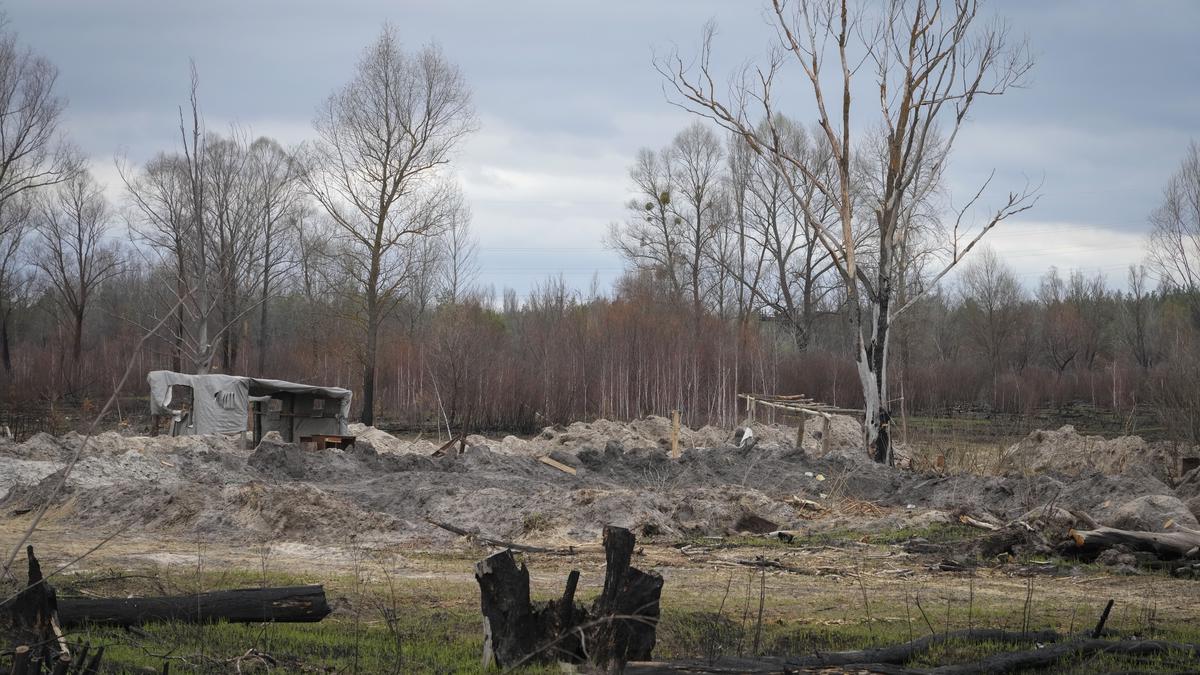
Thirty-seven years ago, on April 26 1986, the reactor of the Chernobyl nuclear power plant suffered a catastrophic meltdown. In the weeks that followed, the deadly event drove hundreds of thousands of people to relocate from the surrounding area, which is still a deserted “exclusion zone” today.
The Chernobyl nuclear accident was caused by an unfortunate cocktail of human error and flawed reactor design. It was the worst nuclear disaster in history, releasing more than 400 times as much radioactive material as the Hiroshima atomic bomb.
An uncontrollable chain reaction inside the reactor caused a sharp increase in temperature that ultimately resulted in the fusion of the fuel rods, a steam explosion and a fire. The melted fuel rods pooled temporarily at the bottom of the reactor chamber before making their way into the deeper levels of the power plant.
This hellish molten soup has proved an unexpected source of insight for geologists like me. In new research published in American Mineralogist, my colleagues and I show tiny zircons formed at Chernobyl change our understanding of how these crystals behave – and what they tell us about Earth’s past.
Molten reactor material is called corium, and it’s a serious contender for the most dangerous substance on Earth.
Nearby radiation exposure to corium can kill within minutes, but that is not all. Corium is extremely hot and generates its own heat from radioactivity. It’s very difficult to cool it down.
The corium at Chernobyl reached 2,600℃, almost twice as hot as the surface temperature of the space shuttle during atmosphere re-entry or half the temperature at the surface of the Sun. For comparison, the temperature of natural lava from volcanoes ranges from 500 to 1,000℃.


Discover the Minor Planet Centre, the key hub for tracking and verifying observations of small solar system bodies.

Discover the Minor Planet Centre, the key hub for tracking and verifying observations of small solar system bodies.

In this week's Science for All newsletter, XX explains

Test your knowledge with the quiz on Science films at the Oscars through history

Set between the Siwalik hills and the plains, Butwal offers travellers a mix of regional cuisine, pilgrimage trails to Lumbini and the comfort of Hyatt’s new hospitality landmark

Explore 2026's wallpaper trends in India, highlighting botanicals and handmade designs that enhance modern homes with nature-inspired aesthetics.

Mercedes-Benz CLA 250+ with EQ Technology review: design, performance, range and features explained. Discover how the new electric CLA combines advanced AI, long range, fast charging and futuristic styling for the next generation of luxury EVs.

AI tool for sparrow conservation

BTS’s comeback with ‘Arirang’ marks a major global music event. When does the album release, and where can you watch their concert live stream? We have all the details

The 2026 U.S. cholesterol guidelines urge starting screening and treatment at 30 to prevent cardiovascular disease effectively.

Olam Festival 2026 in Thiruvananthapuram returns March 27-29 with 120+ vendors, music, art, and cultural zones.

A few storytellers in Thiruvananthapuram share their journeys, challenges, and evolving methods on World Storytelling Day, inspiring young minds.

76-year-old Kurian Jacob from Kerala triumphs with seven medals, including five golds, at the Open Masters Games in Abu Dhabi.