Hesaraghatta grasslands will remain untouched Premium
The Hindu
Hesaraghatta grasslands protected as conservation reserve, crucial for biodiversity, water security, and climate change mitigation near Bangalore.
The large 5,678-acre grasslands in Hesaraghatta are finally under protection from encroachment and development. The Government of Karnataka issued the final notification of the Greater Hesaraghatta Grassland Conservation Reserve recently while conservationists and those who have been crying hoarse to save the city’s remaining green areas heaved a sigh of relief.
The grassland region in Hesaraghatta forms a unique ecosystem close to Bengaluru and supports numerous species of flora and fauna, many of which are endangered. This area is a large carbon sink for Bengaluru and can be a powerful tool to mitigate climate change and counter the rapid concretisation of the city. Conserving the grasslands helps to mitigate the impacts of global warming.
The landscape surrounding the lakebed is the last remaining grassland habitat in the Bengaluru region and supports unique biodiversity. Hence, protecting the habitat by creating a conservation reserve for endangered wildlife species in surrounding areas was the need of the hour.
Dr. K.S. Seshadri, Fellow in Residence at the Ashoka Trust for Research in Ecology and the Environment (ATREE) in the city, has been associated with the conservation efforts since 2012, when he wrote a report with his colleagues on the need to conserve the grasslands and its rich biodiversity.
“Though it took twenty years, the process has seen the willingness of government officials and citizens to work for the environment in a positive effort,” Dr. Seshadri said. “Protecting this savanna grassland and wetland ecosystem will give us a lung space that plays a critical role in water security, sustain the rich biodiversity that it supports in the form of wildlife — animals, birds, insects, butterflies, birds and amphibians — and it can become a living lab for researchers to study larger issues of climate change.”
The region that has been included under the Wildlife Protection Act 1972 includes the Hesaraghatta Lake while the grasslands in the surrounding catchment area are an important reservoir of biodiversity. A survey by Subramanya S. of the Karnataka Biodiversity Board found in it a refuge for endangered wildlife species such as leopards, slender lorises, jackals, Indian foxes, smooth coated otters, wild pigs, common mongooses, black naped hares, Indian mole rats, and Indian field mice. In addition, seven different species of snakes have also been observed in the grasslands.
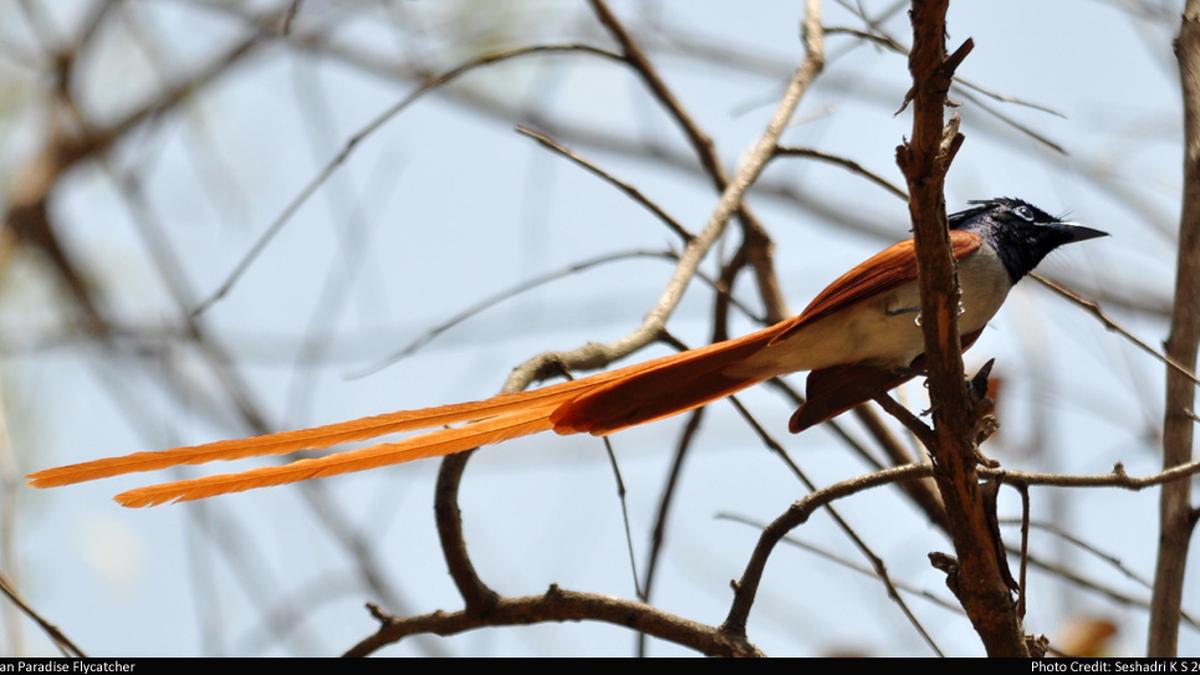
The grasslands are also home to more than 285 species of birds, including the critically endangered lesser florican (Sypheotides indicus), 13 species of amphibians, and 111 species of butterflies, including the lilac silverline (Apharitis lilacinus) butterfly, which was sighted after a century in Bengaluru and that too only in the Hesaraghatta grasslands. Some 395 species of other insect species have been recorded as well.


The government plans to amend the FCRA, introducing new regulations for NGO asset management and accountability for key functionaries.

The draft policy for “Responsible Digital Use Among Students”, released on Monday by the Department of Health and Family Welfare, has recommended that parents set structured routines with clear screen-time rules and prioritise privacy, safety, and open conversation with children on digital well-being.

Police Observer Sushant Kumar Saxena conducts surprise inspection at Shencottai police station, reviewing warrants and security arrangements ahead of elections.

Andhra Pradesh government to launch key projects in April, focusing on industrial growth and infrastructure development, says Nara Lokesh.

Lok Sabha refers the Corporate Laws (Amendment) Bill to a JPC amid opposition concerns over CSR provisions dilution.

SHG members in Kanniyakumari use snakes and ladders to raise election awareness and boost voter turnout.

Government accelerates consultations for early implementation of the Women’s Reservation Act to ensure women’s representation in 2029 elections.

CM A. Revanth Reddy distributes ₹1 crore insurance cheques to families of deceased Electricity department employees, enhancing financial security for workers.

The Bengaluru Traffic Police (BTP) registered 634 cases of drunk driving during a week-long special enforcement drive conducted across the city between March 16 and March 22.

GHMC intensifies action against property tax defaulters, seizing properties and offering a One Time Settlement scheme for payments.

CCB arrests three drug peddlers in Mangaluru, seizing ₹2.5 lakh worth of MDMA and other valuables.

TVK's 28 candidates in Puducherry include former BJP MLAs, a sitting Independent, and a retired police IG.

BRS submits notice on private member bill to Speaker