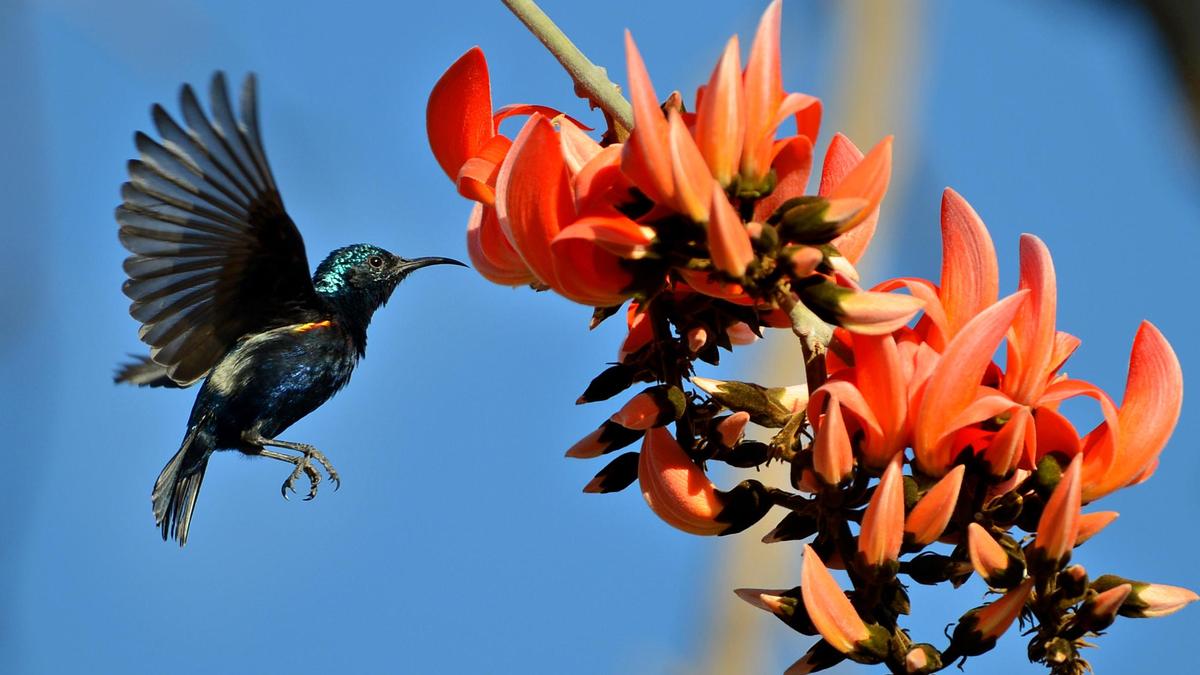
Great Backyard Bird Count 2026: North Coastal Andhra posts strong species tally
The Hindu
Great Backyard Bird Count 2026: Visakhapatnam, Vizianagaram and Srikakulam log strong species numbers in Andhra Pradesh
The mid-February ritual of observing birds from balconies, campuses, wetlands and village tanks has steadily grown into one of the country’s most reliable citizen science exercises. The Great Backyard Bird Count (GBBC), coordinated globally by the Cornell Lab of Ornithology and partners, has seen Indian participation since it expanded worldwide in 2013.
The 2026 edition documented 1087 species, with India finishing second globally. Within the national canvas, Andhra Pradesh offered a revealing cross-section of habitats, from the dry tracts of Rayalaseema to the estuaries of north coastal districts. The State ranked 12th in overall species count with 319 species. West Bengal led the national tally with 519 species, reflecting its mosaic of Himalayan foothills, Gangetic plains and coastal wetlands.
District-wise data underscores how geography shapes the checklist. Chittoor topped the State with 203 species, followed by Anantapur with 165. In north Andhra, Vizianagaram secured sixth position with 141 species, while Visakhapatnam, with 133 species, ranked ninth. Srikakulam, though lower on the formal leaderboard this year, remains ecologically significant given its network of estuaries and coastal wetlands.
The numbers represent four days of disciplined observation, uploaded by amateurs and experienced birders alike and verified through the eBird platform. For researchers, the dataset provides a seasonal snapshot of winter migrants before their northward departure.
Participants from Green Poet Society of GITAM (deemed to be university) during GBBC in Visakhapatnam. | Photo Credit: SPECIAL ARRANGEMENT
In Visakhapatnam, GITAM (Deemed to be University) stood out as an active microhabitat. Members of the Green Poet Society, a campus Nature club, documented 43 species within the university grounds. Among the sightings were the orange-headed thrush, black-naped oriole and Indian grey hornbill.


Explore Gauravi Kumari's PDKF Collective, empowering Rajasthan's artisans through visibility, patronage, and transformative craft initiatives.

Great Backyard Bird Count 2026: Visakhapatnam, Vizianagaram and Srikakulam log strong species numbers in Andhra Pradesh

Argentine workers protest labor reforms, clashing with police as widespread strikes disrupt Buenos Aires amid economic turmoil.

Directed by Geetu Mohandas and co-produced by Yash, ‘Toxic’ hits theaters on March 19, 2025, right in the ring with the blockbuster sequel Dhurandhar 2, featuring Ranveer Singh

Three individuals arrested in Chikkamagaluru for moral policing following a complaint by the boy's family.

Karnataka collaborates with Anthropic to enhance responsible AI development, and support the local tech and startup ecosystem.

Iran declares U.S. bases legitimate targets if attacked, amid escalating military tensions and diplomatic efforts over its nuclear program.

Domenicali downplays Verstappen's retirement concerns over 2026 F1 regulations, emphasizing the driver's commitment to the sport's future.

West Virginia said it is suing Apple over child sex abuse material people tuck away in its iCloud online storage service

Eric Dane, beloved actor from 'Grey's Anatomy' and 'Euphoria,' dies at 53 from ALS, leaving a legacy of advocacy.

Explore the legacies of Toni Morrison and Nina Simone, examining race, memory, and the complexities of Black womanhood in America.

Discover how Limbuguda, a tribal hamlet in Telangana, is transforming through AI-assisted education and holistic welfare initiatives.

Scientists in Kashmir develop early-maturing wheat varieties to enhance crop cycles and boost food production for local farmers.