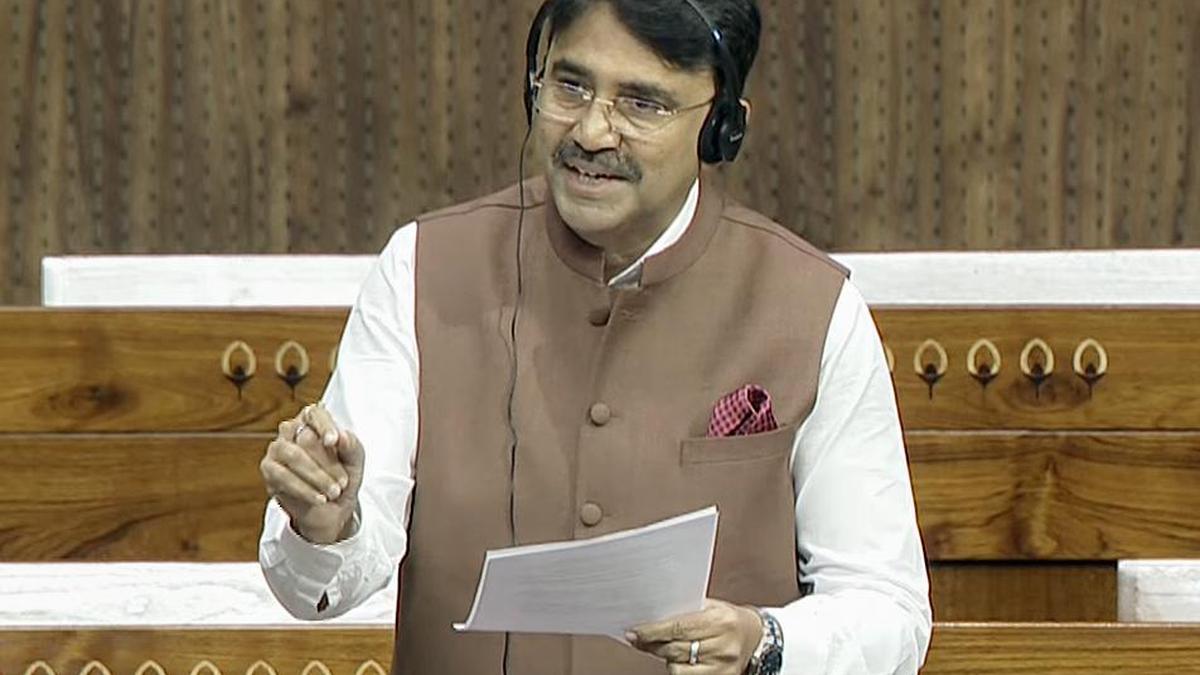
APAAR implementation must remain voluntary, inclusive: Kumar Naik
The Hindu
G. Kumar Naik emphasizes the need for voluntary and inclusive implementation of the APAAR system, highlighting concerns over mandatory requirements.
G. Kumar Naik, Raichur MP, has raised concerns over the implementation of the Academic Bank of Credits (ABC) and Automated Permanent Academic Account Registry (APAAR) system, even as the Union government clarified in Parliament that the initiative is voluntary and based on informed consent.
In a statement issued on Thursday (April 2), Mr. Naik said there appears to be a gap between policy intent and ground-level preparedness, particularly in the context of recent directives issued by the Central Board of Secondary Education (CBSE).
The Ministry of Education, in its reply to an unstarred question raised by Mr. Naik in the Lok Sabha, reiterated that generation of APAAR ID is voluntary and requires explicit consent from students or parents. It also clarified that no student will be denied the opportunity to appear for board examinations owing to the absence of an APAAR ID.
However, Mr. Naik pointed out that CBSE had decided to make the 12-digit APAAR ID mandatory for registration in Classes 9 and 11 from the 2026–27 academic year, raising concerns among stakeholders.
“While the objective of creating a seamless and portable academic record system is important, its implementation must remain strictly transparent and inclusive. Parents must be clearly informed that APAAR is voluntary, and no child should face any disadvantage due to technical or administrative hurdles,” Mr. Naik said.
He noted that a significant number of students are still outside the APAAR system, with reports suggesting that nearly 40% of students — over 4.5 crore — have not been enrolled. Schools, he said, are often leading the enrolment process without ensuring adequate awareness among parents.


Pinarayi Vijayan criticizes T.K. Govindan's political shift, endorses P.K. Shyamala for the Taliparamba assembly election.

CPI(M) veteran M.M. Mani predicts LDF's victory, expresses satisfaction with his political journey, and addresses party challenges.

RJD's Varughese George discusses party strategy, generational shift, and LDF's recovery ahead of upcoming Assembly elections.

A study examines 1960s India, revealing how maternity benefits were linked to population control in legislative debates.

Karur's textile hub faces electoral tensions amid environmental concerns and water scarcity, highlighting shifting political dynamics and community issues.

YSRCP's Sajjala Ramakrishna Reddy emphasizes grassroots outreach and a clear stance on capital issues and development initiatives.

D. Raja criticizes Congress for political incompetence, asserting the Left Democratic Front's success and commitment to Kerala's welfare.


Kavitha announces TRS name is available for use as she prepares to launch her new political party in Telangana.

Anantapur police intensify checks at transit points with dog squad to combat drug trafficking and ensure public safety.

Politicians make promises on Mullaperiyar dam only during poll time, say Cumbum farmers

Shorts News:Watch: Not focused on Pinarayi Vijayan, says Shashi Tharoor on UDF campaign

Mudukulathur extects its rightful share of Vaigai waters