A fugitive landlord is at large. Where does that leave dozens of his Ontario tenants?
CBC
Tenants of buildings owned by a wanted fugitive could be safe from eviction if the bank or a new landlord take over, a legal expert says.
Gareth West, 45, is wanted by U.S. authorities for allegedly running a grandparent scam call centre in Montreal, defrauding American seniors out of more than $21 million US. He's been at large since an arrest warrant was issued for him in February.
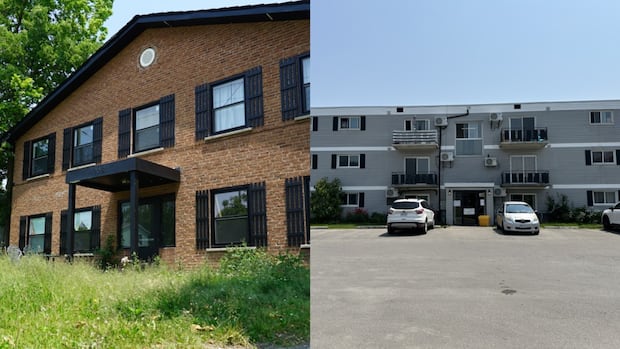
CBC News has previously reported that Gareth owns two apartment buildings — one in St. Thomas and the other in London. West bought another building, at 232 Elm Street in St. Thomas, in March 2022 but the three-storey walk-up was ordered shut by the fire department last November for severe fire code violations, resulting from botched renovations. It was foreclosed that same month before the bank took over in January, according to property records.
"When the bank takes over, it's actually a good thing because if the landlord wasn't paying the utilities then the bank takes on the responsibility and things get restored," said Elena Dempsey, a lawyer at Elgin-Oxford Legal Clinic in St. Thomas.
Tenants living at West's rentals at 14 Holland Street in St. Thomas and 308 Egerton Street in London say they've been left to deal with uncollected garbage piling up, power interruptions and no hot water. They've expressed concerns about what comes next in the absence of their landlord.
Both cities said services are restored at the apartments and they're working with the respective mortgage lenders.
The next step would involve the mortgage lender, which could be the bank, seizing the properties and taking ownership until its sold to another buyer. However, tenants would have protections against evictions under the Residential Tenancies Act.
"The only way the bank would seize the property is if the landlord goes into default on the mortgage," Dempsey said.
"We have in the past had times where the landlord can't pay utilities, or the landlord is unable to maintain the payments on the property and the bank takes over, which is more frequent."
With West on the run, the lender can get an order from Superior Court allowing it to take ownership, but that process could take several months.
Residents will then have to prove they are legitimate tenants, after which they'd receive something called a Notice of Attornment and their rent would be paid directly to the bank from the date of the notice.
Having the bank as their landlord can be a boon for those living at the buildings because it can guarantee stability in services, said Dempsey. If another person or company purchases the building, they become the new landlord and cannot evict tenants without valid cause, she added.
"Only under the act can you evict, you cannot just say 'Get out people, I'm the new owner,'" Dempsey said. "If the new person takes over and one of the tenants do something that give rise to eviction, potentially yes, they could be evicted, just like they can be evicted anywhere else."
The landlord could apply to demolish the building or convert it for other use but they're required to provide at least 120 days notice and tenants can contest that at the Landlord and Tenant Board — another lengthy process.


The government of Saskatchewan has announced plans to reduce the length of non-resident game bird hunting licences to combat illegal guiding.

An 87-year-old Alberta man is fighting extradition to the United Kingdom to stand trial for historical allegations of physical and sexual assault involving minors.

Eight casinos across southwest B.C. have been sold to First Nations in the last two years, with the province's gambling scene set to be reshaped as a result.

Hamilton hosts the Junos Sunday, and the musical awards show is bringing tourists, musicians, concerts and a ton of themed events to the city this week.

The multi-million-dollar deal at the heart of a high-profile fight between the Canadian government and one of the world’s biggest carmakers contains multiple clauses about the company’s footprint in Ontario, according to a copy obtained by CBC Windsor.

In recent months, Calgary police have carried out three day-long safety blitzes, parading out dozens of officers to flood an area with their increased presence — at least, temporarily.

A national organization is seeking people with experience in Canada's forestry sector as they put together a working group that will examine ways to improve forest recovery following wildfires.

Ella Heyder is bracing for a breakup, even though she already moved out decades ago.

Shawne Hopkins never saw it coming.

Politicians return to Queen’s Park Monday for a shortened spring session, as Premier Doug Ford prepares to unveil his eight budget amid heightened global economic uncertainty.

Despite a recent announcement that a water supply pipeline will be build in Oneida Nation of the Thames, some members of the community say that's no excuse for taking water for granted.

As scandal has swirled around former prince Andrew Mountbatten-Windsor, questions and curiosity have also focused on his ex-wife, Sarah Ferguson, and their daughters, Princesses Beatrice and Eugenie.

Friday may have been the first day of spring, but winter storms are not over yet for Newfoundland.