Why micronutrient awareness is vital to India’s health Premium
The Hindu
India's evolving dietary landscape emphasizes the importance of micronutrients for overall health and well-being.
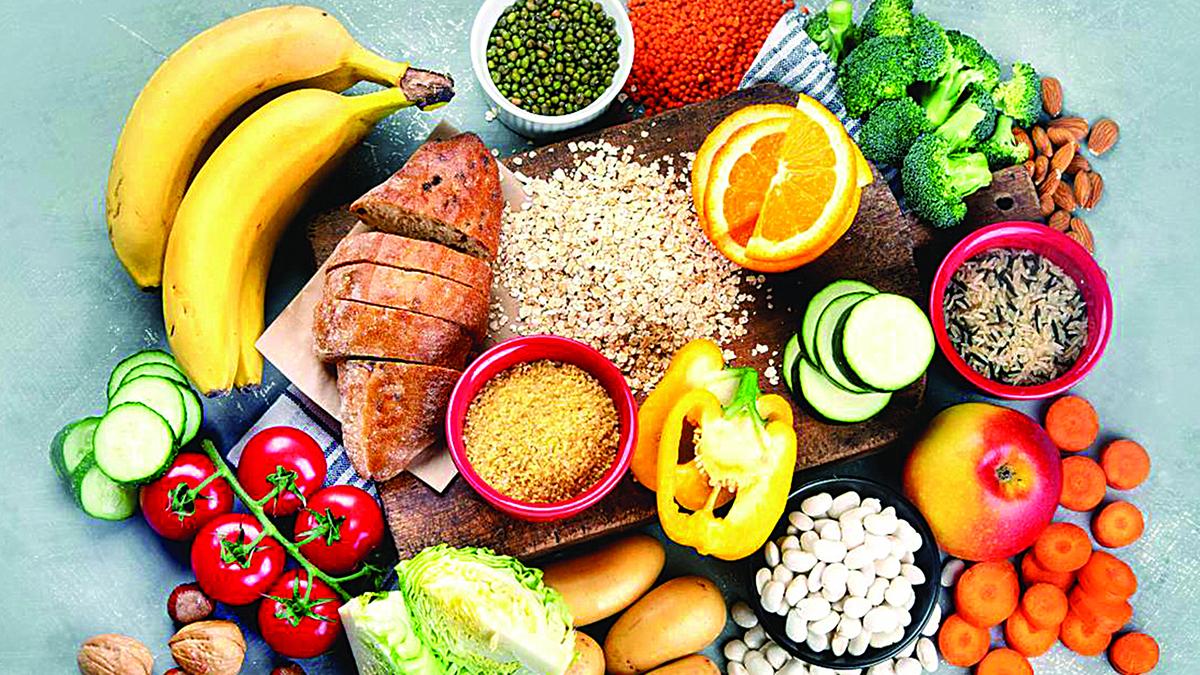
As India is undergoing a nutritional transition with diets changing over the past two decades or so, conversations around diet should not just be limited to what fills the plate but also on what may be missing from it.
The World Health Organization (WHO) and Indian Council of Medical Research (ICMR) emphasise the importance of a balanced diet rich in fruits, vegetables, legumes, and whole grains. Aligning with these recommendations, India’s dietary guidelines, led by the ICMR’s National Institute of Nutrition (NIN), have incorporated them into national programmes like the Anaemia Mukt Bharat initiative. Moreover, the WHO highlights the significance of micronutrient supplementation, particularly for populations vulnerable to deficiencies.
However, despite the South Indian diet’s richness in staples providing carbohydrates, fats, and proteins, micronutrients often remain overlooked. As eating habits and daily routines shift rapidly in both urban and rural parts of India, health professionals are increasingly highlighting the importance of meeting the body’s need for essential vitamins and minerals. This growing concern stems from a larger global issue: more than 2 billion people are affected by deficiencies in crucial micronutrients such as vitamin A, iodine, iron, and zinc. These shortfalls are not merely nutritional -- they carry serious health consequences.
Across the world, micronutrient deficiencies are linked to conditions like anaemia, vision loss, reduced cognitive ability, and a weakened immune system, making individuals more vulnerable to infections. According to the WHO, anaemia affects 42% of children under the age of five and 40% of pregnant women. The burden is especially heavy in regions such as South Asia and Sub-Saharan Africa, where access to nutrient-rich diets can be limited.
The health impacts are far-reaching. A lack of iron, folate, vitamin B12, and vitamin A often leads to anaemia, while insufficient folate during pregnancy increases the risk of birth defects. Vitamin A deficiency, in particular, is a leading cause of preventable blindness.
Reshma Aleem, senior clinical dietician at Rela Hospital, Chennai, highlights the need to begin with a fundamental understanding of what constitutes nutrition. “Nutrients are broadly classified into macronutrients and micronutrients,” she explains. “Macronutrients -- carbohydrates, proteins, and fats are needed in large amounts and serve as the body’s primary sources of energy and structural components. Micronutrients, on the other hand, are required in smaller quantities but are vital for enabling countless physiological functions.” These include vitamins, minerals, and trace elements essential for enzyme activity, immune function, hormone production, and overall cellular health.
Micronutrients fall into specific categories: water-soluble vitamins (such as the B-complex group and vitamin C), fat-soluble vitamins (A, D, E, and K), macrominerals (like calcium, phosphorus, and magnesium), and trace elements (including iron, zinc, and selenium). “While water-soluble vitamins are generally excreted through urine and pose little risk when consumed in excess, fat-soluble vitamins are stored in the liver and can build up to toxic levels if taken without supervision,” Ms. Aleem says.


TGSRTC plans to cut CO2 emissions by 1,200 tons daily through the adoption of electric buses, enhancing sustainable public transport.

Parliamentary panel urges a review of EPF pensions, highlighting ₹1,000 is insufficient amid rising living costs.

ECI reshuffles 19 senior police officers in West Bengal ahead of upcoming Assembly elections, ensuring transparent and fair polls.

Rajasthan’s employment offices report no government job placements in five years, with over 22 lakh registered job seekers.

In a post shared in his X account, the actor also wrote about his emotional attachment to the State

NIA charges six in Puducherry BJP leader Senthil Kumaran's murder case for attempting to sabotage trial by threatening witnesses.

Bollywood star Hrithik Roshan’s HRX Films has teamed up with Prime Video for ‘Mess’ after the thriller series ‘Storm’. The latest series is directed by Rajesh A Krishnan

Bengaluru NGO PfA Wildlife Hospital replenishes water sources in Turahalli forest to protect urban wildlife from dehydration and human-animal conflict.

Bengaluru NGO PfA Wildlife Hospital replenishes water sources in Turahalli forest to protect urban wildlife from dehydration and human-animal conflict.

Andhra Pradesh Upa Lokayukta orders ₹50.24 lakh payment of EPF and ESI dues to KGBV outsourcing staff in Srikakulam.

Former Puducherry Congress MLA V. Vizeaveny joins BJP

Bajaj Electricals acquires Morphy Richards brand rights in India and South Asia, enhancing innovation and market strategy.

CPI(M) insists on contesting more seats in the 2026 Tamil Nadu Assembly elections amid ongoing seat-sharing negotiations with DMK.