Why LPG, not petrol or diesel, took the hit amid Hormuz choke
India Today
A week after the US-Israel strikes on Iran started the war in the Middle East, long queues for LPG cylinders began appearing across India. The Centre maintained that there was no shortage but an LPG crunch is evident. Why are petrol and diesel supplies not affected, given they also come from the same region?
Amid the war in the Middle East, India's LPG supply chain is showing clear signs of stress. There are long queues outside gas agencies. Dozens of restaurants and dhabas have shut, and households are waiting days for refills. That's because the Strait of Hormuz, one of the world's most important energy shipping lanes, is choked. The US-Israeli strikes on Iran and Tehran's retaliation have disrupted maritime traffic in the Middle East, a region that is a major fossil fuel exporter. India also depends on energy imports from the region. So, why are LPG supplies showing stress first, while petrol and diesel are not? Why do petroleum fuels like petrol and diesel that are also sourced from the region, remain available in Indian retail markets?
The panic over LPG gas cylinders, reported since March 9, has now turned increased manifold. Such fears were reflected in queues at some CNG, diesel, and petrol stations from March 12. However, they were few and far between.
The government has maintained that there is an adequate supply of petroleum fuel, which is refined to produce petrol and diesel. In the case of LPG too, the government has reiterated that there would be no disruption in supplying the domestic sector. And the panic on the streets, depicted by long queues, fist fights and delays in cylinder delivery has been called by the Centre, a "demand-driven distortion". However, the sale of commercial LPG cylinders has been halted to prioritise domestic consumers. This, plus the soaring prices of LPG refills on the black market, led to the downing of the shutters of several eateries.
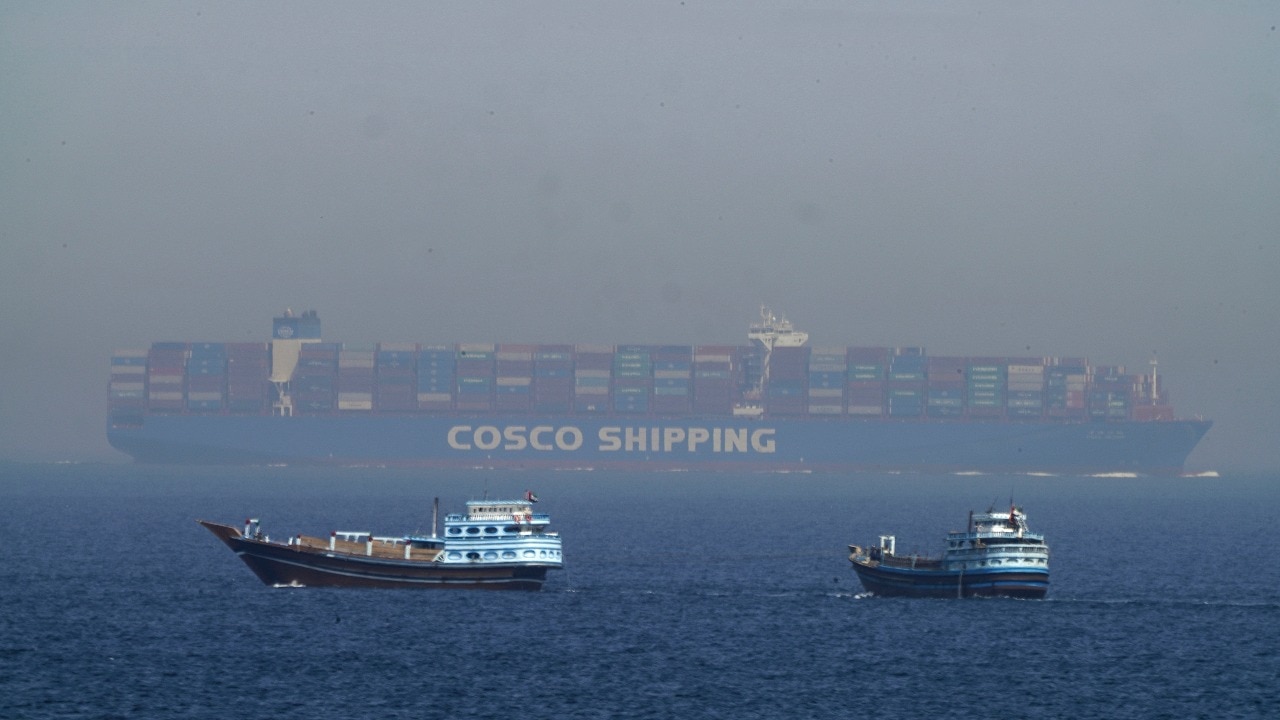
So when the choke point at Hormuz in the Persian Gulf tightened, LPG supplies felt the shock first. India's kitchens noticed the stress before its petrol pumps and private cars did. A screengrab of a live shipping map on Friday evening shows ships and container vessels lined up on both sides of the Strait of Hormuz in the Persian Gulf, with only a few vessels actually moving through the passage. (Image: marinetraffic)
India consumes over 31 million tonnes of LPG every year, according to data from the petroleum ministry. Domestic production meets less than half that demand. The rest comes from imports from Gulf countries such as Saudi Arabia, Qatar, the UAE and Kuwait. So, tankers carrying this fuel must pass through the Strait of Hormuz before reaching India. But a very large share of India's LPG shipments move through this route. Estimates in the media suggest that around 80-90% of LPG cargoes heading to India pass through the Strait of Hormuz.
The difference lies in crude oil supply and refining, which is little more diversified compared to LPG supplies.


Pak's biggest export is terrorism, US shouldn't be cosying up to it: Trump aide

Following the incident which claimed 87 lives, Sri Lanka's Foreign Minister Vijitha Herath told parliament that around 180 people were on board the Moudge-class frigate IRIS Dena when it went down about 40 nautical miles off the island.

The government said the move aims to restore peace and enable constructive dialogue with stakeholders in Ladakh. The detention came in the backdrop of a serious law and order situation that arose in the peace-loving town of Leh on September 24, 2025.

Germany's Ambassador to India Philipp Ackermann said Europe opposes lifting the price cap on Russian oil, warning that doing so would give Moscow the financial means to prolong its war in Ukraine.

Monalisa Bhonsle, who gained fame during the Prayagraj Kumbh Mela, married Farman Khan in Kerala, triggering a controversy after her father alleged she was a victim of "love jihad" and sought Madhya Pradesh CM Mohan Yadav's intervention.

More than 100 policemen were taken ill after consuming food at a mess in the police lines in Bihar's Banka district, prompting their hospitalisation. Officials suspect food poisoning, though authorities said the condition of all the personnel is stable, and an enquiry has been ordered.

A swarm of honeybees attacked residents in Venkataapuram village of Sangareddy district on Friday, injuring several people and triggering panic in the area.

A nine-year-old girl died in Agra after she fell through the broken floor of a moving school bus and was crushed by its wheels.

As missiles and drones are seen flying over the region, the captain says they are awaiting a possible escort from the Indian Navy, while anxious family members in Mumbai appeal for the government's help to bring them home safely.

Vedanta chairman Anil Agarwal said the death of his son Agnivesh has strengthened his resolve to continue working for India, urging opportunities for youth and calling for world-class education at home.

A week after the US-Israel strikes on Iran started the war in the Middle East, long queues for LPG cylinders began appearing across India. The Centre maintained that there was no shortage but an LPG crunch is evident. Why are petrol and diesel supplies not affected, given they also come from the same region?

A 25-year-old man in Ujjain was arrested after CCTV footage showed him stealing a married neighbour's undergarments. Police said he confessed to the act, claiming he was obsessed with her.

Maharashtra has introduced the Freedom of Religion Bill, 2025, proposing strict regulations on religious conversions, mandatory notices, and severe penalties for unlawful conversions, including imprisonment and fines, while empowering authorities and family members to monitor compliance.