Why is Pollachi sexual assault verdict unique? | Explained Premium
The Hindu
Coimbatore gang rape case: Nine men convicted under Section 376D, sentenced to life, victims awarded ₹85 lakh compensation.
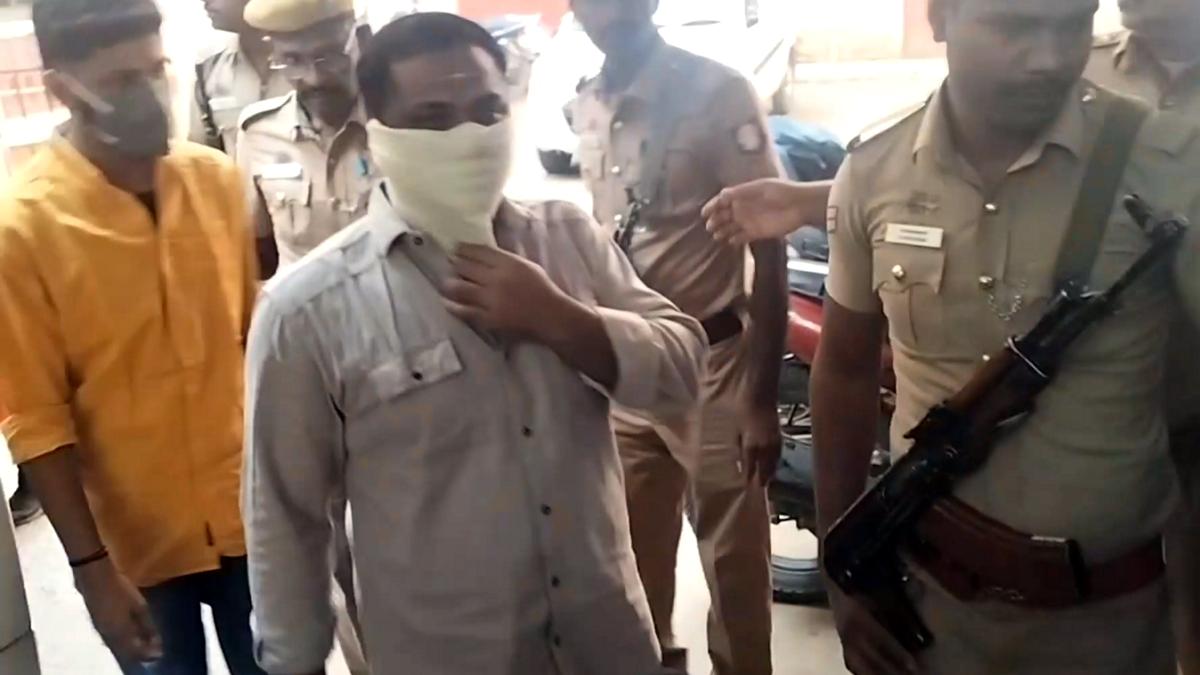
The story so far: On May 13, 2025, a Mahila Court in Coimbatore convicted nine men from Pollachi under Section 376D (gang rape) of the Indian Penal Code and imposed the maximum punishment of imprisonment for the remainder of their life. The court also awarded a compensation of ₹85 lakh to seven victims, including those who had been subjected to sexual assault repeatedly pursuant a conspiracy hatched by the convicts between October 2016 and February 2019. According to the Central Bureau of Investigation (CBI), the modus operandi of the convicts was to befriend women before abducting and subjecting them to sexual assault. The prosecution had also charged the gang of recording the sexual acts on video and using those clips to threaten and rape the women repeatedly on different occasions. The 658-page judgement delivered by sessions judge R. Nandhini Devi highlights the challenges faced by the prosecution in proving its case in order to secure a conviction.
Victim ‘A’, a 19-year-old college girl, was the last victim of the convicts before they got arrested in 2019. However, she turned out to be the first to lodge a police complaint on February 24, 2019 leading to the unearthing of their antecedents. According to the prosecution, A1 (28-year-old Rishwanth alias N. Sabarirajan, a civil engineer by profession) had pretended to have fallen in love with the victim, taken her to a place near a poultry farm in a car and abused her sexually by removing her upper garments on February 12, 2019. He also surreptitiously shot half naked pictures of the victim with a mobile phone and used them to threaten her. When she confided about it to her family members after a few days, her elder brother and his friends tracked down the accused as well as his accomplices and found many videos of other women having been subjected to sexual assault by the gang. Therefore, the family decided to lodge a complaint after 12 days since the victim was abused.
When victim ‘A’ deposed before the trial court after six years, she levelled the charge of rape too against A1. However, the CBI Special Public Prosecutor fairly conceded that such an exaggerated claim made by the victim for the first time before the trial court, and not made before any of the four investigating officers or the two judicial magistrates during the course of investigation, need not be given credence.
After recording his submission, the court said, it was quite possible that the victim did not want the accused to escape from punishment or imposed with lesser punishment and therefore, she might have chosen to make an exaggerated allegation.
Stating that the improved version of the victim could certainly not be accepted by the court, the trial judge said, at the same time, the entire testimony of the victim could not be discarded just because of the exaggerated portion. The principle falsus in uno, falsus in omnibus (false in one thing, false in everything) has no application in Indian courts, she said.
“There is a marked difference between exaggerated version and false version,” the judge observed and added that it was the duty of the court to sift the chaff from the grain in case of exaggerations or contradictions.
Ultimately, the trial court convicted A1 for the charge of outraging the modesty of the victim but acquitted A2 (30-year-old financier K. Thirunavukkarasu) and A5 (28-year-old Mani alias R. Manivannan whose car was used for the crime) from the charges levelled against them for having facilitated the offence against this victim.


Parliamentary panel urges a review of EPF pensions, highlighting ₹1,000 is insufficient amid rising living costs.

ECI reshuffles 19 senior police officers in West Bengal ahead of upcoming Assembly elections, ensuring transparent and fair polls.

Rajasthan’s employment offices report no government job placements in five years, with over 22 lakh registered job seekers.

In a post shared in his X account, the actor also wrote about his emotional attachment to the State

NIA charges six in Puducherry BJP leader Senthil Kumaran's murder case for attempting to sabotage trial by threatening witnesses.

Bollywood star Hrithik Roshan’s HRX Films has teamed up with Prime Video for ‘Mess’ after the thriller series ‘Storm’. The latest series is directed by Rajesh A Krishnan

Bengaluru NGO PfA Wildlife Hospital replenishes water sources in Turahalli forest to protect urban wildlife from dehydration and human-animal conflict.

Bengaluru NGO PfA Wildlife Hospital replenishes water sources in Turahalli forest to protect urban wildlife from dehydration and human-animal conflict.

Andhra Pradesh Upa Lokayukta orders ₹50.24 lakh payment of EPF and ESI dues to KGBV outsourcing staff in Srikakulam.

Former Puducherry Congress MLA V. Vizeaveny joins BJP

Bajaj Electricals acquires Morphy Richards brand rights in India and South Asia, enhancing innovation and market strategy.

CPI(M) insists on contesting more seats in the 2026 Tamil Nadu Assembly elections amid ongoing seat-sharing negotiations with DMK.

Kerala's Film Policy recognizes cinema as an industry, promoting gender justice and sustainable growth through various strategic reforms.