Why delaying spine surgery can lead to permanent disability Premium
The Hindu
Delaying spine surgery can lead to irreversible damage and permanent disability; early diagnosis and intervention are crucial for recovery.
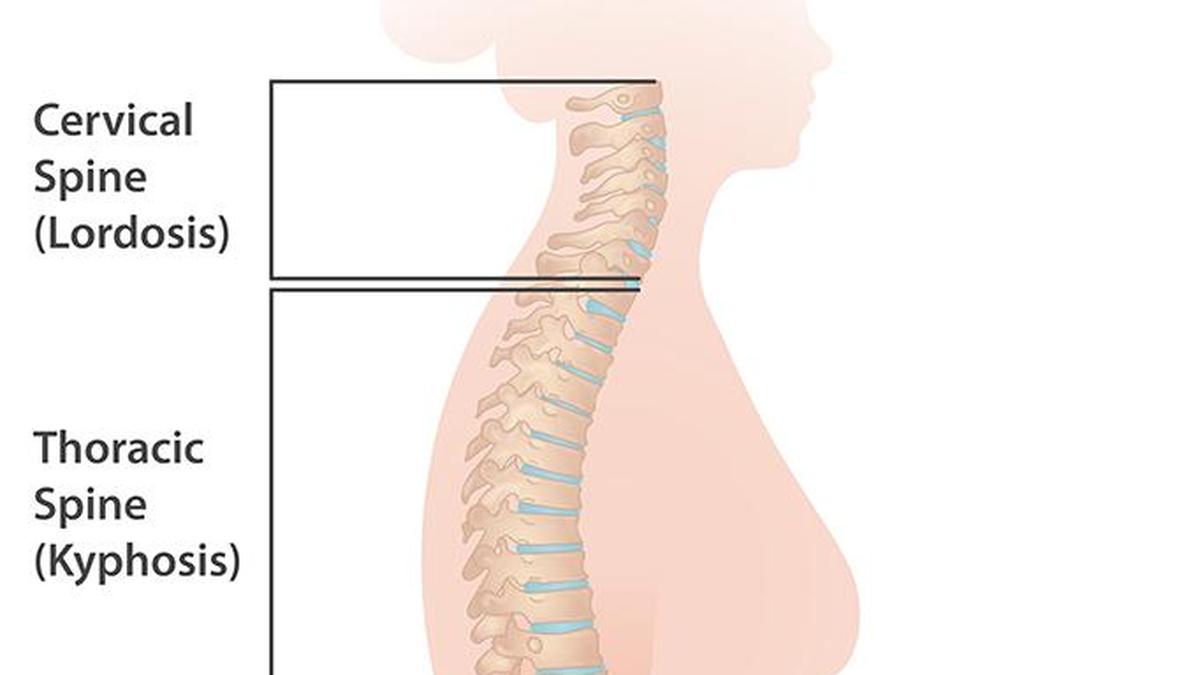
The spine is a sensitive system of nerves and bones. Spinal problems occur in the neck, back, and lower back area, each of which plays a major role in the functioning of the nerves. Spinal problems were once associated with ageing in India. Today, however, they are increasingly seen in the young and working-age population. Excessive sitting and sedentary lifestyles have contributed to this. A major issue now, is patients delaying medical consultations. Although many spine problems are not critical at the beginning, a delay in conducting surgeries such as discectomy (disc removal), laminectomy, spinal fusion, and modern minimally invasive spine surgery (MISS) at critical stages may result in total and severe long-term damage.
Preventing long-term limitations starts with timely diagnosis rather than waiting for symptoms to worsen. Early clinical evaluation helps identify nerve compression or structural changes before they begin to significantly affect function. Modern imaging and neurological assessments help monitor spinal health accurately and identify the most appropriate time for intervention. When early signs such as persistent numbness, limb weakness, or difficulty with coordination appear, these should be addressed promptly for improved outcomes and to simplify recovery.
Spine surgeries like spinal fusion, foraminotomy, and robotic spine surgery are not always urgent, but when clinically advised, timely decision-making can make recovery smoother and more predictable. Addressing spinal problems early often allows patients to return to daily activities with better comfort, confidence, and long-term spinal health.
Severe complications can develop over time if surgery is delayed for a long period:
Continued nerve sensitivity: Extended pressure on spinal nerves can make them more sensitive over time, leading to ongoing pain and tingling even after treatment.


Jeevan Reddy leads a rally for maize farmers in Jagtial amid speculation of leaving Congress for BRS.

BJP and AINRC likely to maintain 2021 seat-sharing formula for Puducherry's 2026 Assembly elections, confirms party president.

BJP reveals 144 candidates for Bengal Assembly polls, featuring Suvendu Adhikari contesting against Mamata Banerjee in Bhabanipur.

Anna University partners with Ramco Systems to create an advanced ERP lab for enhanced industrial engineering education.

NDA announces candidates for 12 Kozhikode seats in Kerala Assembly polls 2026 as UDF and LDF ramp up campaigning.

As India formulates its next steps in the Israel-U.S.-Iran war, it is necessary to consider not only what it will mean for the whole region but also its own ties with each neighbour

CITU criticizes the Centre's privatization efforts for VSP, alleging employee removal over production increase and financial mismanagement.

Visakhapatnam Customs House's short film "Right Turn" wins Honourable Jury Mention at the 10th Indian World Film Festival.

Economist Arvind Subramanian advises CM Revanth Reddy on strengthening Telangana's finances during a meeting in Hyderabad.

Supreme Court emphasizes stakeholder consultation for legal education reforms, hesitant to change five-year law course duration.

Authorities in Andhra Pradesh are set to tranquillise a roaming tiger near Annavaram temple for safety and conservation.

MEA criticizes USCIRF for bias, urging focus on vandalism of Hindu temples in the U.S. over selective criticism of India.

Bengaluru's Urban Development aims to beautify underutilized flyover spaces, enhancing city aesthetics and improving green cover initiatives.