What 'Pluribus' Reveals About The Future Of AI
HuffPost
The Golden Globe-winning Apple TV series presents an alien hivemind as a mirror for a future when perfection erases individuality.
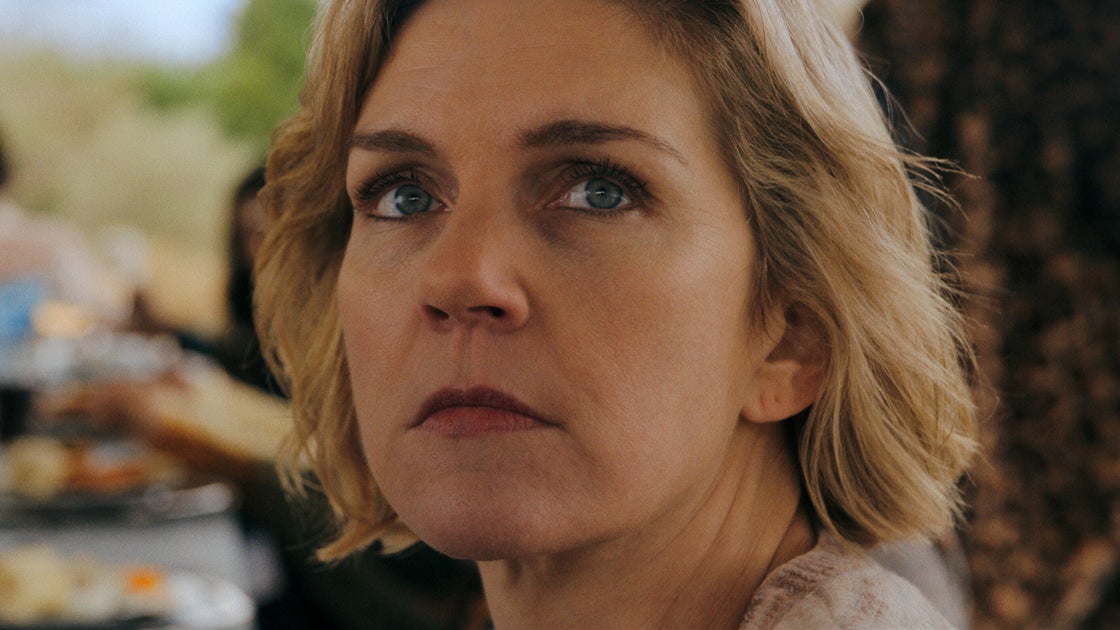
Rhea Seehorn is about to dominate awards season for her spectacular performance as Carol Sturka in “Pluribus,” the wildly unsettling sci-fi series on Apple TV from Vince Gilligan (“Breaking Bad,” “Better Call Saul”).
On Sunday night, she won the Golden Globe for Best Performance By A Female Actor In A Television Series - Drama. Earlier this month, she won the Critics’ Choice Award for Best Actress in a Drama Series.
In “Pluribus,” both identity and individualism are under direct threat. An alien virus spreads across the globe, absorbing nearly everyone into a collective consciousness — the hivemind — leaving behind just 13 “lucky” people who are immune. Lucky might be the wrong word; unlucky might be worse. These survivors become keepsakes of an old world almost overnight.
Carol loses her wife, Helen (Miriam Shor), during the “turning event.” While other immune survivors savor their new reality, Carol rejects it.
The hivemind does not retaliate against her. Instead, it accommodates her. It assigns her a constant companion named Zosia (Karolina Wydra), whose role is to manage Carol’s day-to-day life and anticipate her needs. Zosia is attractive, calm and composed to an unnatural degree, and she bears an uncanny resemblance to one of the central characters from Carol’s bestselling book series. It’s the hive’s idea of kindness toward the survivors.


"Sinners" arrives at this year’s ceremony with a historic 16 nominations, but the odds aren't everything during Hollywood's biggest honors.

The "Buffy" star capped off her announcement with a riff on a famous line from the '90s supernatural drama.

"We deserve to be respected, even though we aren’t millionaires or dating Kylie Jenner," said one dancer challenging the Hollywood actor.

“i love when my cat lies down & crosses her little paws, like oh i had no idea you were THIS classy”

From a baby bombshell to an onstage meltdown, the Season 10 reunion special was full of mess — and we loved it.


“I’m banned as the physical me but my art is there,” Motaz Malhees said of "The Voice of Hind Rajab," a docudrama about a 5-year-old girl's final moments before Israeli forces killed her in Gaza.

The "Late Show" host highlighted an unexpected moment during the president's speech in Kentucky.

The actor had a lot to say about the "Marty Supreme" star’s controversial take on the performing arts.

“I have to recoil, yikes! I’m out. You could not offer me enough money,” the Oscar winner said.

Here’s just hoping that her nickname will be “Princess of Darkness.”

The “Grey's Anatomy” actor is addressing criticism following her appearance at a dog rescue fundraiser held at President Donald Trump's Florida estate.

The "Late Show" host mocked the president and his administration for a key failure.