What makes the brain the most complicated object in the universe Premium
The Hindu
A study conducted by the HuthLab at the University of Texas sent shockwaves through the realms of neuroscience and technology.
In the middle of 2023, a study conducted by the HuthLab at the University of Texas sent shockwaves through the realms of neuroscience and technology. For the first time, the thoughts and impressions of people unable to communicate with the outside world were translated into continuous natural language, using a combination of artificial intelligence (AI) and brain imaging technology.
This is the closest science has yet come to reading someone’s mind. While advances in neuroimaging over the past two decades have enabled non-responsive and minimally conscious patients to control a computer cursor with their brain, HuthLab’s research is a significant step closer towards accessing people’s actual thoughts. As Alexander Huth, the neuroscientist who co-led the research, told the New York Times, “This isn’t just a language stimulus. We’re getting at meaning – something about the idea of what’s happening. And the fact that’s possible is very exciting.”
Combining AI and brain-scanning technology, the team created a non-invasive brain decoder capable of reconstructing continuous natural language among people otherwise unable to communicate with the outside world. The development of such technology – and the parallel development of brain-controlled motor prosthetics that enable paralysed patients to achieve some renewed mobility – holds tremendous prospects for people suffering from neurological diseases including locked-in syndrome and quadriplegia.
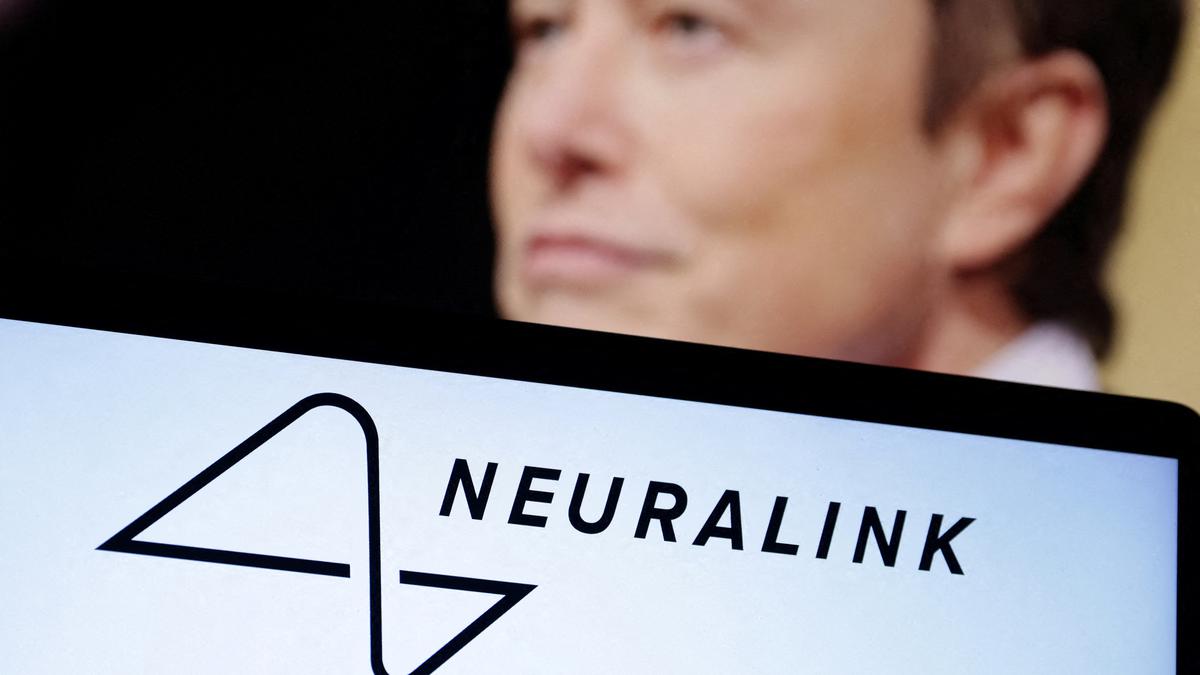
In the longer term, this could lead to wider public applications such as fitbit-style health monitors for the brain and brain-controlled smartphones. On January 29, Elon Musk announced that his Neuralink tech startup had implanted a chip in a human brain for the first time. He had previously told followers that Neuralink’s first product, Telepathy, would one day allow people to control their phones or computers “just by thinking”.
But alongside such technological developments come major ethical and legal concerns. It’s not only privacy but the very identity of people that may be at risk. As we enter this new era of so-called mind-reading technology, we will also need to consider how to prevent its potential to help people being outweighed by its potential to do harm.
The brain is the most complicated object in the universe. It contains more than 89 billion neurons, each connected to around 7,000 other neurons that send between ten and 100 signals every second. The development of AI was based on the brain and the concept of neurons working together. Now, the way AI works with deep learning is helping us understand much more clearly how the brain works.
By fully mapping the structure and function of a healthy human brain, we can determine with great precision what goes awry in diseases of the brain and mind. In 2009, the Human Connectome Project was launched by the US National Institute of Health with the goal of building a map of the structure and function of a healthy human brain. Similar initiatives were launched in Europe in 2013 (the Human Brain Project) and China in 2016 (the China Brain Project).


Vibha Batra’s latest book, Spotless (Hachette India) is a novel in verse for young adults

In its first edition, the Madras Art Salon spotlights the works of journalist and artist Narayan Lakshman at The Botanical Club, a social space in the British Deputy High Commission, Chennai

Cholesterol enhances melanoma cell invasion by making nuclei squishier, revealing a potential treatment target in cancer progression.

The designers reinterpret the Swedish artist’s symbolic forms and colour energy through contemporary resortwear silhouettes

Discover the inspiring legacy of Bibha Chowdhuri, a pioneering woman in physics and a trailblazer in STEM history.

Discover the inspiring legacy of Bibha Chowdhuri, a pioneering woman in physics and a trailblazer in STEM history.

Ashdeen’s Spring 2026 collection features saris inspired by the designer’s Parsi gara archive

Red ochre burials, ritual markings and myths across cultures show that red repeatedly marks liminal thresholds such as puberty, sacrifice and death; anthropologists argue that the colour functions as a technology of collective ritual and value, binding communities through shared symbolic acts

India approves 23 institutions for quantum labs under the National Quantum Mission, aiming to advance quantum technology and research.

India approves 23 institutions for quantum labs under the National Quantum Mission, aiming to advance quantum technology and research.

The Gaza conflict exacerbates environmental damage, emitting millions of tonnes of CO2 and threatening climate stability in West Asia.

Chefs and cookery experts share smart kitchen hacks, hybrid cooking methods and appliance tips to help households reduce LPG use without compromising on food

Discover groundbreaking research on Titan's lakes, bat vaccinations, and the unique aroma of ripening bananas in just one minute.