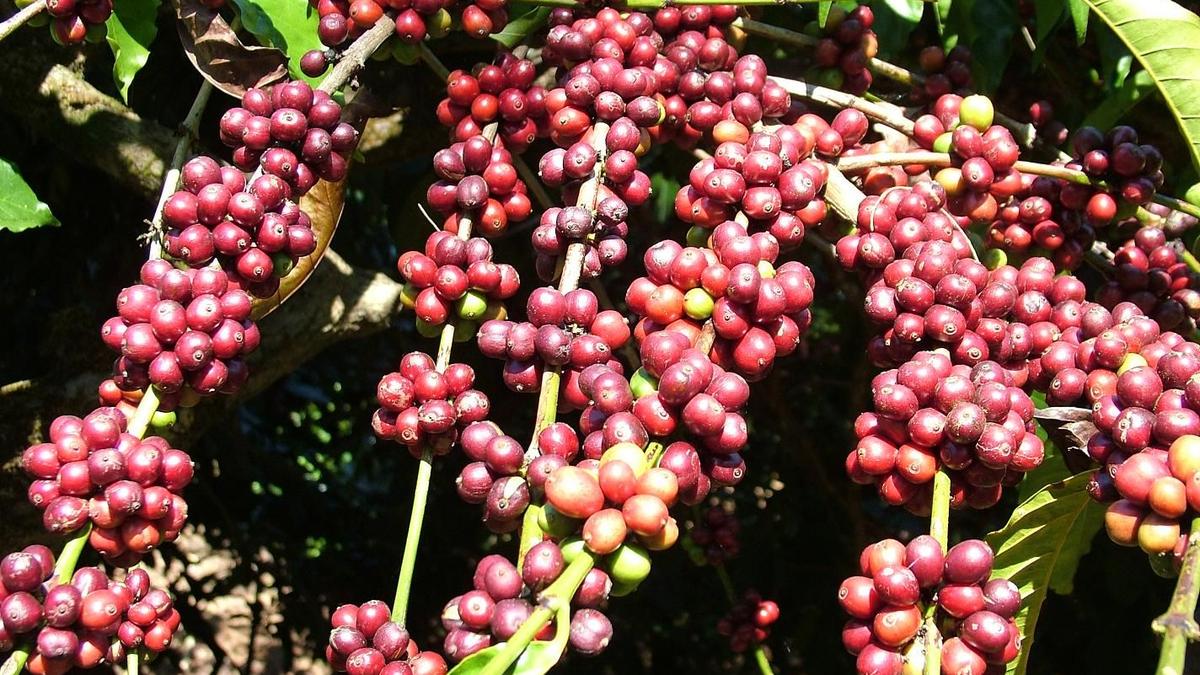
Union Budget 2026: Karnataka Planters’ Association, farmers expect climate-linked insurance cover for coffee
The Hindu
Karnataka farmers urge the Union Budget 2026 to include coffee under climate-linked insurance for better financial protection.
The Karnataka Planters’ Association (KPA), an apex body representing growers in the coffee heartlands of Chikmagaluru, Hassan, and Kodagu, which account for more than 70% of India’s entire coffee production, has strongly demanded the inclusion of coffee farms under a weather-linked crop insurance plan.
M. Salman Baseer, chairman of KPA, told The Hindu that the apex body has been requesting the government to include coffee under a climate-linked insurance plan, considering the crop are being badly hit by droughts or floods year after year.
“We hope the upcoming Budget will hold some good news for coffee farmers in Karnataka in this regard,” anticipated Mr. Baseer, adding that incessant and excessive rains over the last several years have caused havoc on coffee plantations, resulting in significant crop- and plant losses in Karnataka.
Pradeep Poovayya, a coffee farmer from Kodagu and an executive committee member of the Coorg Planters’ Association, said currently, coffee, rubber, and tea are not covered under Pradhan Mantri Fasal Bima Yojana (PMFBY), which provisions 80% to 90% of premium payments by the governments. “These crops come under the Ministry of Commerce and not the Ministry of Agriculture. This is an unfair classification. While black pepper, coconut, arecanut, and paddy are covered under PMFBY, coffee is not,” Mr. Poovayya highlighted.
Arvind Rao, former chairman of KPA, also noted, “Coffee farming in India is completely dependent on rain and shine. However, unpredictable and extreme weather adversely impacts production, and that has been happening every year for the last many years.”
According to Rana George, Managing Director of Kelachandra Coffee, which grows Robusta and Arabica across 7,000 acres of land, climate volatility, rising input and labour costs, and new export compliance requirements are increasing pressure across the value chain.


The Thane police have arrested two co-founders of cryptocurrency exchange platform CoinDCX in connection with an alleged fraud of Rs 71.6 lakh, officials said

Meta Chief Executive Mark Zuckerberg is building a CEO agent to help him do his job, the Wall Street Journal reported

Insurance penetration and density are often misunderstood and do not reveal how many families are insured or whether they would be financially secure if the main earning member were to die. The real issue is not reach but adequacy, as households may have life insurance but not enough cover to replace lost income, leaving them financially vulnerable.

Five top firms lose ₹1 lakh crore in market value, with HDFC Bank experiencing the largest decline of ₹56,124.48 crore.

L&T confirms 95% of its West Asia project sites are safe, while addressing logistics challenges amid ongoing regional conflicts.

Mines Ministry to auction 19 critical mineral blocks on March 23, expanding strategic resources for clean energy and technology sectors.

Mines Ministry to auction 19 critical mineral blocks on March 23, expanding strategic resources for clean energy and technology sectors.

Five top firms lose ₹1 lakh crore in market value, with HDFC Bank experiencing the largest decline of ₹56,124.48 crore.

HDFC Bank terminates three senior officials over client onboarding issues at its DIFC branch amid ethical concerns following chairman's resignation.

Air India CEO warns of potential flight cuts and reduced travel demand due to rising fuel costs amid ongoing Gulf conflict.

Options are widely used by retail traders to speculate on the value of the stock for immediate gains and such behaviour in large scale can distort the market

India achieves 1 billion tonne coal production for the second consecutive year, ensuring stable energy supply and economic growth.

Generic drugmakers in India launch affordable Semaglutide versions, targeting a $1 billion diabetes and weight loss market.