How central banks’ turning away from U.S. dollar is affecting gold prices Premium
The Hindu
Central banks' shift from the U.S. dollar to gold is driving bullion prices to unprecedented highs amid geopolitical uncertainty.
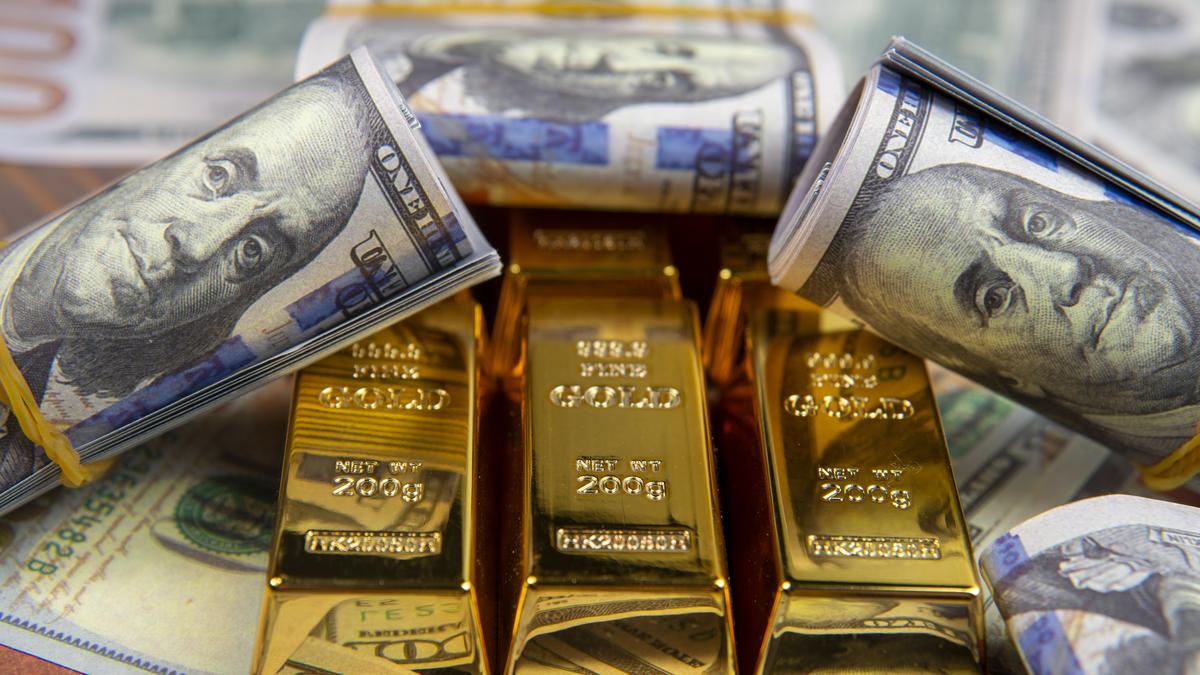
The global move away from the U.S. dollar is gathering pace as broader geopolitical uncertainty raise concerns over the stability and predictability of the dollar-centric financial system. In response, central banks, particularly in emerging markets, are boosting their gold reserves, pushing bullion prices to volatile highs.
Although the dollar remains the world’s dominant reserve currency, its share of global foreign-exchange reserves has been steadily declining for more than a decade. An International Monetary Fund survey shows the dollar’s share fell from about 71% in 1999 to 59% by 2021, reflecting a gradual but persistent diversification away from dollar-denominated assets.
Emerging-market central banks across Asia, West Asia and parts of Eastern Europe have led the shift, steadily increasing gold allocations while trimming marginal exposure to U.S. Treasuries. According to the World Gold Council, central banks added 1,045 tonnes to global gold reserves in 2024.
Gold’s appeal lies in its neutrality: unlike fiat currencies, it is not tied to any issuing government, carries no credit risk, and cannot be frozen or sanctioned. These attributes have gained importance in an increasingly fragmented geopolitical landscape.
Gold crosses $5000 per ounce on heightened geo-political pressure
The precious metal suffered a sharp reversal on Friday (January 30, 2026). Gold tumbled by over 11.7% globally and hit a low of $4,942/oz after touching a record high of $5,598. However, gold is still up more than 13% for the month.


The Thane police have arrested two co-founders of cryptocurrency exchange platform CoinDCX in connection with an alleged fraud of Rs 71.6 lakh, officials said

Meta Chief Executive Mark Zuckerberg is building a CEO agent to help him do his job, the Wall Street Journal reported

Insurance penetration and density are often misunderstood and do not reveal how many families are insured or whether they would be financially secure if the main earning member were to die. The real issue is not reach but adequacy, as households may have life insurance but not enough cover to replace lost income, leaving them financially vulnerable.

Five top firms lose ₹1 lakh crore in market value, with HDFC Bank experiencing the largest decline of ₹56,124.48 crore.

L&T confirms 95% of its West Asia project sites are safe, while addressing logistics challenges amid ongoing regional conflicts.

Mines Ministry to auction 19 critical mineral blocks on March 23, expanding strategic resources for clean energy and technology sectors.

Mines Ministry to auction 19 critical mineral blocks on March 23, expanding strategic resources for clean energy and technology sectors.

Five top firms lose ₹1 lakh crore in market value, with HDFC Bank experiencing the largest decline of ₹56,124.48 crore.

HDFC Bank terminates three senior officials over client onboarding issues at its DIFC branch amid ethical concerns following chairman's resignation.

Air India CEO warns of potential flight cuts and reduced travel demand due to rising fuel costs amid ongoing Gulf conflict.

Options are widely used by retail traders to speculate on the value of the stock for immediate gains and such behaviour in large scale can distort the market

India achieves 1 billion tonne coal production for the second consecutive year, ensuring stable energy supply and economic growth.

Generic drugmakers in India launch affordable Semaglutide versions, targeting a $1 billion diabetes and weight loss market.