Undernourished and overweight: Telangana youth face dual health burden of malnutrition
The Hindu
Telangana youth face dual malnutrition burden of undernutrition and overweight
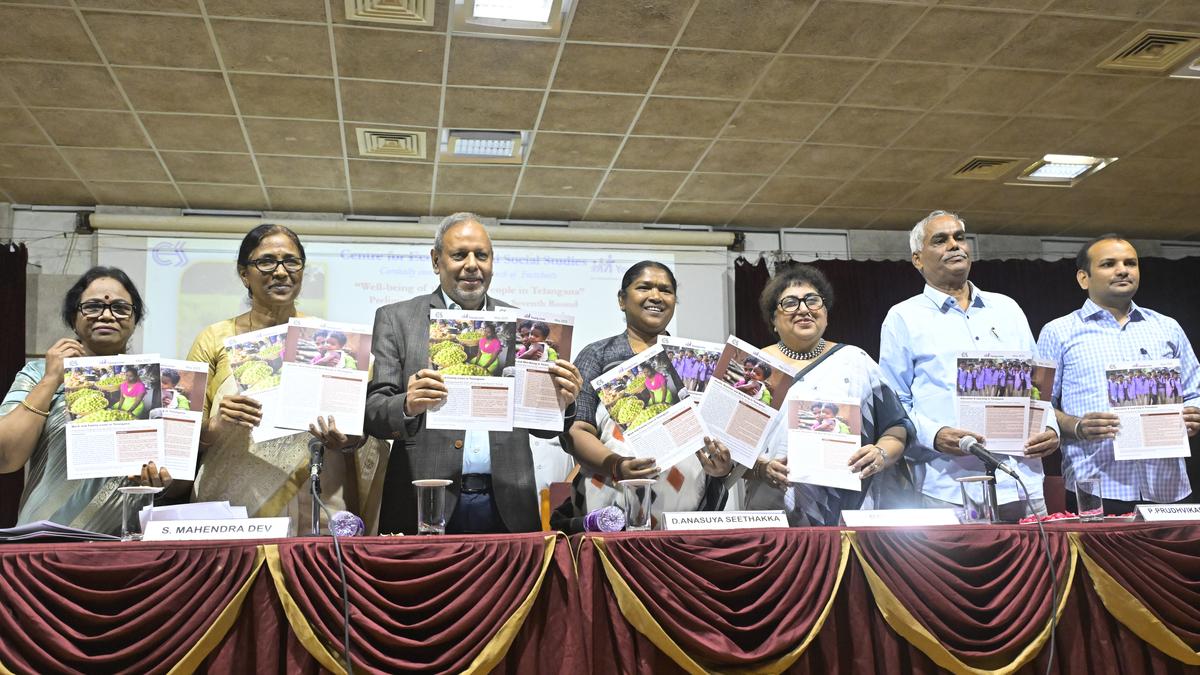
Youth in Telangana face a growing double burden of malnutrition, where underweight and overweight conditions coexist, alongside a rising risk of cardiovascular diseases. The finding was part of the seventh round of the Young Lives longitudinal study released on Friday (May 30, 2025). It also pointed at poor dietary diversity, gender disparities in health risks, and persistent rural-urban inequalities.
The study, which has tracked two cohorts of children since 2002 when they were aged 1 (younger cohort) and 8 years (older cohort) respectively, also found poor dietary diversity among youth. It provides an overview of key nutrition, health and well-being indicators comparing the younger cohort at age 22 with the older cohort at the same age in 2016, alongside tracking the younger cohort’s progress from age 12 to 22.
The sample includes 948 participants from Telangana alone — 641 from the younger cohort and 307 from the older cohort, representing diverse socioeconomic backgrounds. Many relied heavily on grains and carbohydrates while consuming fewer fruits, vegetables, and protein-rich foods.
However, some improvement was seen, particularly among women from the young cohort. By 2023, 40% of 22-year-old women consumed more than five food groups daily, compared to just 18% in the older cohort at the same age in 2016. The improvement was higher among women (22.5%) than men (7.8%).
According to Dr. P. Prudhvikar Reddy, one of the speakers at the launch event at the Centre for Economic and Social Studies (CESS) in Hyderabad’s Begumpet on Friday, underweight prevalence remains higher among participants from socially marginalised groups and rural areas, while obesity was more prevalent among wealthier and urban participants. “At age 22, we saw more underweight participants among Scheduled Castes (SCs), rural youth, and those with mothers who had lower levels of education,” he said.
Dr. Reddy attributed these trends to changing diets, high consumption of fatty foods, and reduced physical activity. Cardiovascular risk also rose - 22.7% of women were found to be at high risk, compared to just 8.5% of men.
Women and Child Welfare Minister D. Anasuya Seethakka called the malnutrition levels in tribal and rural areas “deeply concerning” and said these areas would be prioritised. “As someone from a tribal background, I understand these challenges. Diets in rural areas are healthier than today’s hybrid food consumption in cities. We need targeted, data-driven interventions,” she said.


TGSRTC plans to cut CO2 emissions by 1,200 tons daily through the adoption of electric buses, enhancing sustainable public transport.

Parliamentary panel urges a review of EPF pensions, highlighting ₹1,000 is insufficient amid rising living costs.

ECI reshuffles 19 senior police officers in West Bengal ahead of upcoming Assembly elections, ensuring transparent and fair polls.

Rajasthan’s employment offices report no government job placements in five years, with over 22 lakh registered job seekers.

In a post shared in his X account, the actor also wrote about his emotional attachment to the State

NIA charges six in Puducherry BJP leader Senthil Kumaran's murder case for attempting to sabotage trial by threatening witnesses.

Bollywood star Hrithik Roshan’s HRX Films has teamed up with Prime Video for ‘Mess’ after the thriller series ‘Storm’. The latest series is directed by Rajesh A Krishnan

Bengaluru NGO PfA Wildlife Hospital replenishes water sources in Turahalli forest to protect urban wildlife from dehydration and human-animal conflict.

Bengaluru NGO PfA Wildlife Hospital replenishes water sources in Turahalli forest to protect urban wildlife from dehydration and human-animal conflict.

Andhra Pradesh Upa Lokayukta orders ₹50.24 lakh payment of EPF and ESI dues to KGBV outsourcing staff in Srikakulam.

Former Puducherry Congress MLA V. Vizeaveny joins BJP

Bajaj Electricals acquires Morphy Richards brand rights in India and South Asia, enhancing innovation and market strategy.

CPI(M) insists on contesting more seats in the 2026 Tamil Nadu Assembly elections amid ongoing seat-sharing negotiations with DMK.