Top cybercrime police officials of southern States to meet in Hyderabad
The Hindu
Hyderabad to host high-level cybercrime meeting in March for southern States to strengthen collaboration and combat online frauds.
Hyderabad is gearing up to host a high-level cybercrime meeting in March, bringing together top police officials from southern States to strengthen inter-State collaboration, identify critical loopholes, and develop effective strategies to combat online frauds that transcend borders.
Senior officials leading cybercrime investigations from Andhra Pradesh, Telangana, Karnataka, Kerala, and Tamil Nadu will participate in the discussions. The focus will be on streamlining cooperation between States and addressing grey areas in cyber investigations that often hinder swift action.
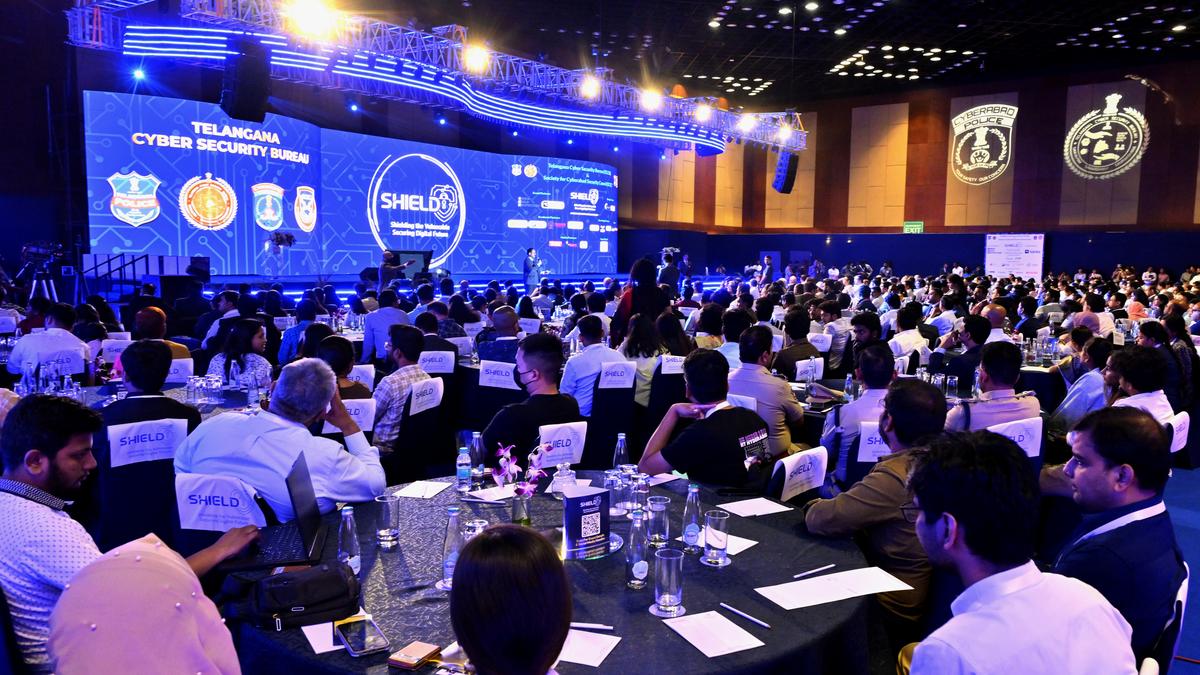
Telangana Cyber Security Bureau (TGCSB) Director Shikha Goel said that inputs from the Shield 2025, the two-day cybersecurity conference will also be shared at the meeting.
“We are compiling key challenges, solutions, and recommendations identified during the summit. These findings will be presented at the Southern States’ meeting and also shared with relevant departments to drive necessary reforms. For example, policy-related suggestions will be forwarded to the Central government for action,” she explained.
By bringing together police officials from 14 States, Shield 2025 helped in creating a mechanism for better cooperation between the States, which was a challenge in cybercrime investigations, said the official. Senior officials from Uttarakhand, Andhra Pradesh, Karnataka, Madhya Pradesh, Delhi, Punjab, Rajasthan, Maharashtra, Bihar, Kerala, Uttar Pradesh, Tamil Nadu, Gujarat and West Bengal were involved in closed door discussions on tackling cryptocurrency frauds and ransomware threats.
Other major focus areas were AI-driven cyber threats, financial fraud, and misinformation, along with the necessity of enforcing mandatory reporting requirements for financial institutions, telecom providers, and social media platforms. Discussions also focused on enhancing AI-powered investigative tools and strengthening cross-border intelligence-sharing mechanisms.
Among the officials present were Indian Cybercrime Coordination Centre (I4C) CEO Rajesh Kumar, Additional Director General of Police (ADGP) (Cybercrimes) Punjab V. Neerja, Kerala Inspector General of Police (IGP) Ajeetha Begum, Intelligence Fusion and Strategic Operations Joint Commissioner Rajneesh Gupta, Karntaka DGP CID (Cybercrimes) Pronab Mohanty, Rajasthan IGP (Cybercrime) Sharat Kavi Raj and former Uttar Pradesh DGP O P Singh.


Dakshina Kannada Zilla Panchayat has rolled out digital mode of water bill generation and collection in 23 gram panchayats on a pilot basis for the first time in Karnataka. This is set to be extended to the remaining 200 panchayats shortly, according to the Zilla Panchayat Chief Executive Officer Narwade Vinayak Karbhari.

Bengaluru police questioned a man carrying ₹6 lakh for medical expenses at Vidhana Soudha, later releasing him after verification.

BJP accuses Bengaluru's Congress government of corruption in e-Khata issuance, halting infrastructure projects due to financial mismanagement.

Misinformation in Hyderabad sparks panic buying, causing disruptions as residents react to unfounded rumors of an impending lockdown.

Bengaluru Metro extends services until 2 a.m. on March 28 for IPL match, ensuring convenient travel for spectators.

A bus truck-collision in Andhra Pradesh's Markapuram district, killing several. Catch LIVE updates here!

Residents of Thiruporur constituency face civic challenges amid rapid urbanization, impacting resources, infrastructure, and local livelihoods.

NTK chief Seeman criticizes competitive populism and freebies at a rally, warning against northern influence in Tamil Nadu politics.

A 32-year-old man is arrested for abusive social media posts and mid-air misconduct involving Bengaluru police and Indigo Airlines.

A tragic bus-truck collision in Markapuram kills 10-12 and injures over 20, prompting a state investigation and condolences from the Chief Minister.

Telangana sets up control rooms after a deadly bus fire in Markapuram, aiding victims' families from Andhra Pradesh.

Microplastics, especially nylon fibres, are present in Chennai’s beach sediments in relatively low abundance, but low overall microplastic abundance does not necessarily imply low ecological risk. Even small particles can cause long-term ecological damage by affecting marine life, moving up the food chain, and eventually impacting human health through contaminated seafood.

Fuel outlets in Hyderabad remain crowded for the third day, as LPG auto drivers face ongoing shortages despite government assurances.