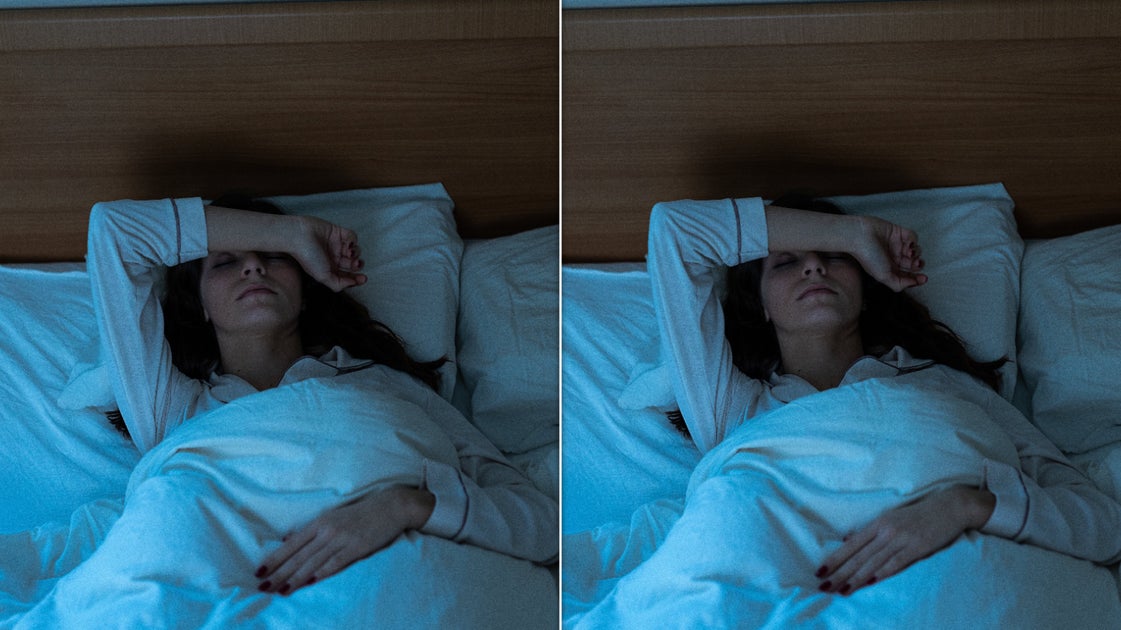
This Seemingly Harmless Nighttime Behavior Could Be Harming Your Heart Health
HuffPost
Fortunately, there are many things you can do to course-correct. Here’s what you should know.
Now may be the time to buy some blackout curtains and actually turn your phone off before bed. While exposing yourself to light during the nighttime may seem innocent, it could potentially be harmful for your health.
Exposure to artificial light at night is linked to higher rates of cardiovascular disease, according to recent research published in the journal JAMA Network Open. Specifically, experts saw a greater risk of heart failure, coronary artery disease, atrial fibrillation, myocardial infarction (commonly known as heart attack) and stroke.
Researchers tracked one week of nighttime light exposure among 88,905 adults over 40, who wore wrist sensors to measure their exposure from 12:30 a.m. to 6 a.m.
Participants were broken into four percentiles from least amount of nighttime light exposure to most. Researchers then looked at their heart health data over the course of 9.5 years and adjusted for established cardiovascular risk factors such as smoking, physical activity, shift work and socioeconomic status.
When compared to those who experienced the lowest amounts of light exposure during the night, people with high exposure had the worst health outcomes. Those who had high light exposure during the night saw a 56% higher chance of developing heart failure, up to a 56% greater risk of heart attack and up to a 30% greater risk of stroke.


This stowaway truly was sly as a fox.

Talking to friends about your feelings and frustrations can be healthy — but experts warn you should look out for a few damaging traps.

There's good news and there's bad news. This will help you make some sense of it.

If you have carpets or rugs, sorry: They're even dirtier than you think.

A recent study found the most commonly reported symptoms of perimenopause had nothing to do with hot flashes or weight gain.

Alleviate post-workout soreness with these expert-recommended tools.

Experts, including the U.S. Labor Department, have been warning about this moment since Trump took office.

This time of year is prime season for these fast-spreading illnesses.

Chinese medicine might have the answer to this common bedroom discomfort.

"I dismissed my fear as paranoia. But, deep down, I still felt that something was wrong."

Labor diggers, women are onto you.

The president has made anti-trans policies a focus of his second term -- but he got swift backlash for a proclamation he shared.

You're not just imagining it.