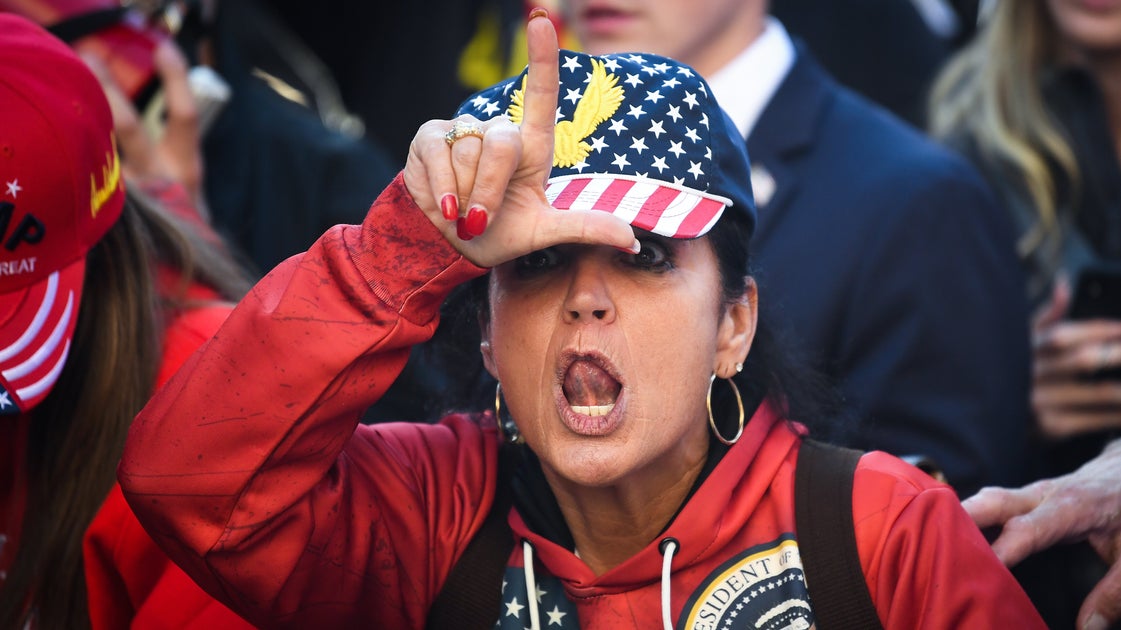
This 1 Emotion Turns People More Conservative When Threatened – And No, It’s Not Fear
HuffPost
Although fear often shapes campaigns, it can’t account for America’s recent political shift.
Political campaigns often run on messages of fear: In the 2024 presidential election, President Donald Trump said the country would be “finished” if Vice President Kamala Harris were elected. Harris, meanwhile, claimed a second-term Trump would walk into the Oval Office with an “enemies list” and seek revenge and “unchecked power.”
Fear-mongering messaging is effective, especially when it comes from the political right, since people tend to lean more conservative in times of external or foreign threats. For instance, after the 9/11 terrorist attacks, national polls showed that support for Republican President George W. Bush rose by 39 points to a record-breaking 90% approval rating. Temporarily, more Americans supported conservative-leaning security policies post 9/11, including the Patriot Act, which significantly expanded the surveillance and law enforcement powers of federal agencies.
Conventional wisdom assumes that it’s fear that drives shifts to the right when people feel threatened, but a new study suggests it’s a different emotion in the driver’s seat: Anger.
“Some prominent theories in social and political psychology have proposed that fear drives these effects, but surprisingly few studies have actually tested this idea,” said Alan Lambert, the co-author of the study and an associate professor of psychological and brain sciences at Washington University.
“We did, and found that anger, far more than fear, was responsible for these threat-driven ‘shift to the right’ effects,” Lambert said.


This stowaway truly was sly as a fox.

Talking to friends about your feelings and frustrations can be healthy — but experts warn you should look out for a few damaging traps.

There's good news and there's bad news. This will help you make some sense of it.

If you have carpets or rugs, sorry: They're even dirtier than you think.

A recent study found the most commonly reported symptoms of perimenopause had nothing to do with hot flashes or weight gain.

Alleviate post-workout soreness with these expert-recommended tools.

Experts, including the U.S. Labor Department, have been warning about this moment since Trump took office.

This time of year is prime season for these fast-spreading illnesses.

Chinese medicine might have the answer to this common bedroom discomfort.

"I dismissed my fear as paranoia. But, deep down, I still felt that something was wrong."

Labor diggers, women are onto you.

The president has made anti-trans policies a focus of his second term -- but he got swift backlash for a proclamation he shared.

You're not just imagining it.