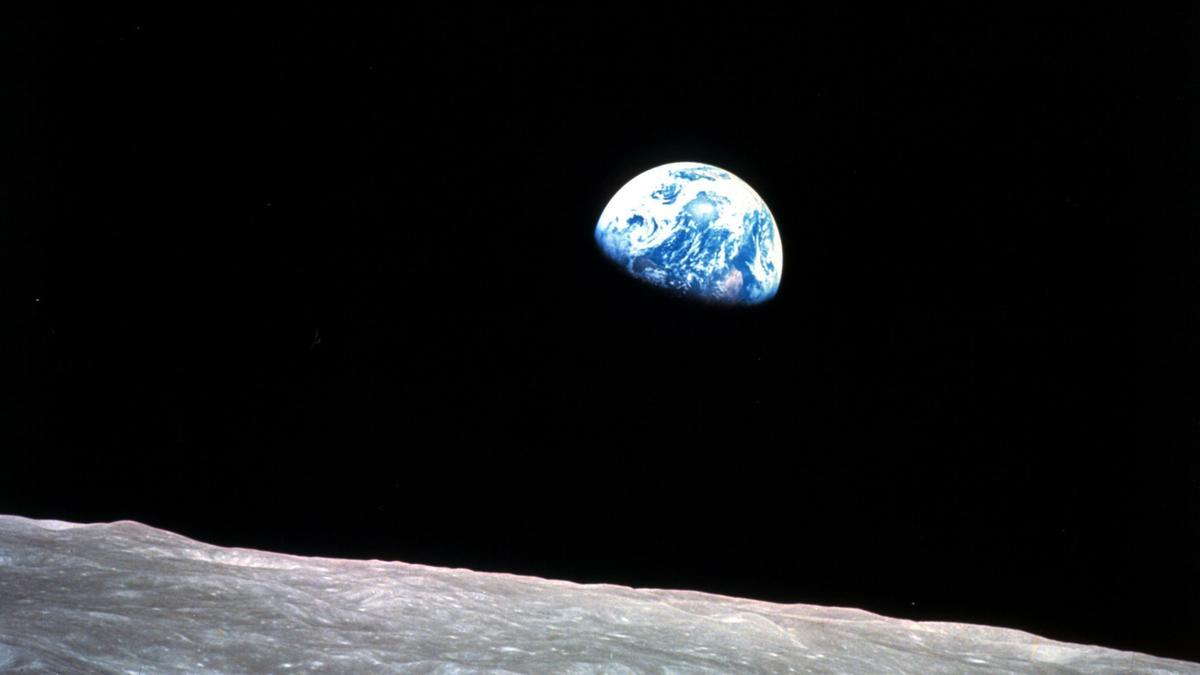
The Science Quiz | A brief history of the earth
The Hindu
The Science Quiz | A brief history of the earth
Questions:
1. In the earth’s first geologic aeon, the moon was created, in the process also laying the groundwork for an atmosphere rich in hydrogen, water vapour, and carbon dioxide. This period is named for a famous Greek god. Name it.
2. Some 720-630 million years ago, the Cryogenian period immediately followed another billion-year-long period called the ______ _______. The latter was called so because the earth’s crust was quite stable in this time, evolution proceeded at a slow pace, and the climate didn’t change considerably. Fill in the blanks.
3. The shortest period of the Palaeozoic era was called the Silurian. It began right after the first of the earth’s five ____ __________ events, during which the diversity of marine genera plummeted drastically worldwide. Fill in the blanks.
4. In Ancient Greek, the name of this geologic epoch means “new dawn”. It was given this name because life-forms that persist on the earth today began evolving at the start of this epoch. Name this epoch.
5. In 2018, the International Commission on Stratigraphy confirmed the name of our current geologic era. It comes from the name of a state in India, which is home to one of the country’s longest caves and where scientists found stalagmites that recorded evidence of the geological transition leading to the present one. Name the state.
Visual:


Discover the Minor Planet Centre, the key hub for tracking and verifying observations of small solar system bodies.

Discover the Minor Planet Centre, the key hub for tracking and verifying observations of small solar system bodies.

In this week's Science for All newsletter, XX explains

Test your knowledge with the quiz on Science films at the Oscars through history

Set between the Siwalik hills and the plains, Butwal offers travellers a mix of regional cuisine, pilgrimage trails to Lumbini and the comfort of Hyatt’s new hospitality landmark

Explore 2026's wallpaper trends in India, highlighting botanicals and handmade designs that enhance modern homes with nature-inspired aesthetics.

Mercedes-Benz CLA 250+ with EQ Technology review: design, performance, range and features explained. Discover how the new electric CLA combines advanced AI, long range, fast charging and futuristic styling for the next generation of luxury EVs.

AI tool for sparrow conservation

BTS’s comeback with ‘Arirang’ marks a major global music event. When does the album release, and where can you watch their concert live stream? We have all the details

The 2026 U.S. cholesterol guidelines urge starting screening and treatment at 30 to prevent cardiovascular disease effectively.

Olam Festival 2026 in Thiruvananthapuram returns March 27-29 with 120+ vendors, music, art, and cultural zones.

A few storytellers in Thiruvananthapuram share their journeys, challenges, and evolving methods on World Storytelling Day, inspiring young minds.

76-year-old Kurian Jacob from Kerala triumphs with seven medals, including five golds, at the Open Masters Games in Abu Dhabi.