The People Who Helped Save 2 Men From Execution
HuffPost
“God has used them before. God can use them again,” Julius Jones’ spiritual adviser said ahead of Tremane Wood’s scheduled execution.
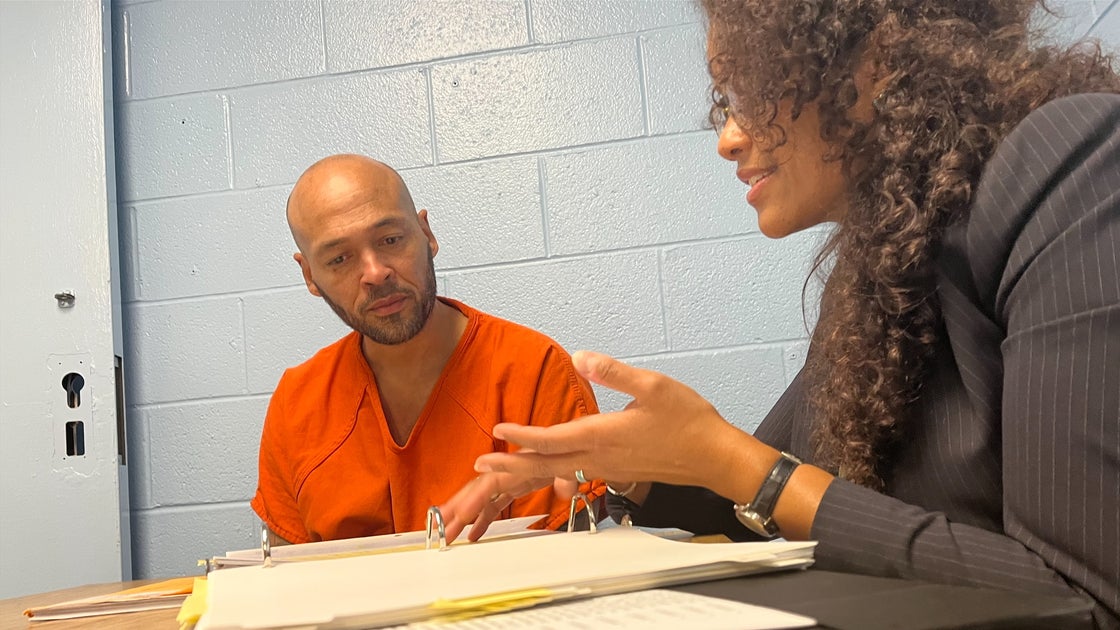
In Oklahoma, the state with the highest execution rate in the country, it is exceedingly rare for a person on death row to receive clemency. Since the death penalty was reinstated in 1976, just six people in the state have had their death sentences commuted. The last two, Julius Jones in 2021 and Tremane Wood last month, were represented by the same legal team: federal public defender Amanda Bass Castro Alves and investigators Lamont Williams and Rebecca Postyeni, from the Arizona Federal Defender’s Capital Habeas Unit.
Jones and Wood are both Black men who were sentenced to death in cases involving white victims, by nearly all-white juries during the height of death penalty prosecutions in Oklahoma. (Black people are disproportionately sentenced to death, and a 2020 study found that defendants convicted of killing white people were executed at a rate of 17 times greater than those convicted of killing Black people.) Both men were represented at trial by court-appointed lawyers who would later admit to doing a poor job defending their clients.
Jones was convicted of the 1999 murder of Paul Howell, a crime he has always said he did not commit. No one on his legal team had ever worked a death penalty case, and his lead attorney later said he was “terrified” because of his “inexperience.” Once Jones’ case reached Bass Castro Alves’ team, they discovered that jurors never heard from Jones’ family, who could have provided an alibi, or from a man who said that Jones’ codefendant admitted to the killing. They also tracked down a juror who recalled another juror calling Jones the N-word during deliberations and saying the trial was a waste of time.
Those revelations weren’t enough to get Jones a new trial — but they did help spur a national pressure campaign calling for mercy. Ultimately, Gov. Kevin Stitt (R) granted Jones clemency in the hours before his scheduled execution.
A few years after Jones’ arrest, prosecutors sought death sentences against Wood and his older brother for the killing of Ronnie Wipf during a botched robbery. Under the state’s felony murder statute, prosecutors didn’t have to prove who actually killed Wipf in order to secure convictions — only that they each participated in the robbery that led to his death.


Tim Dillon condemned the president and his allies for "gaslighting the public."

Gerard Baker explained why Americans are in an "unprecedented position" right now.

The "Daily Show" host called out "supreme misleader" Trump for a bizarre moment on Monday.

The president basked as key officials offered over-the-top praise.

A Los Angeles jury has ordered the disgraced comedian and actor to pay millions in damages to former server Donna Motsinger.

The original statue was destroyed during the 2020 protests in the wake of Georgie Floyd's murder.

A representative for the Islamic Revolutionary Guard Corps slammed claims that the U.S. and Iran are in talks to negotiate an end to the war.

The president’s random “field trip” to Graceland on Monday was truly bananas.

The Supreme Court justice questioned the legality of mail-in voting based on the name of a holiday.

Noem lost her spot as homeland security's top leader earlier this month after getting grilled about the sky-high ad budget she approved.

The president’s plan is an unhelpful distraction at best and could actually make things more dangerous, TSA union leaders say.

“Stop truck one! STOP.”

Hundreds of thousands of Homeland Security workers, including from the TSA, U.S. Secret Service and Coast Guard, have worked without pay since Congress failed to renew DHS funding last month.