The Kerala Story 2 row explained: The scene, the politics, the pushback
India Today
The Kerala Story 2 has sparked fresh controversy after its trailer drew sharp criticism from Kerala Chief Minister Pinarayi Vijayan, who called it "false propaganda." As the film heads toward its February 27 release, the row has reignited discussions on cinema, communal representation and the line between provocation and propaganda.
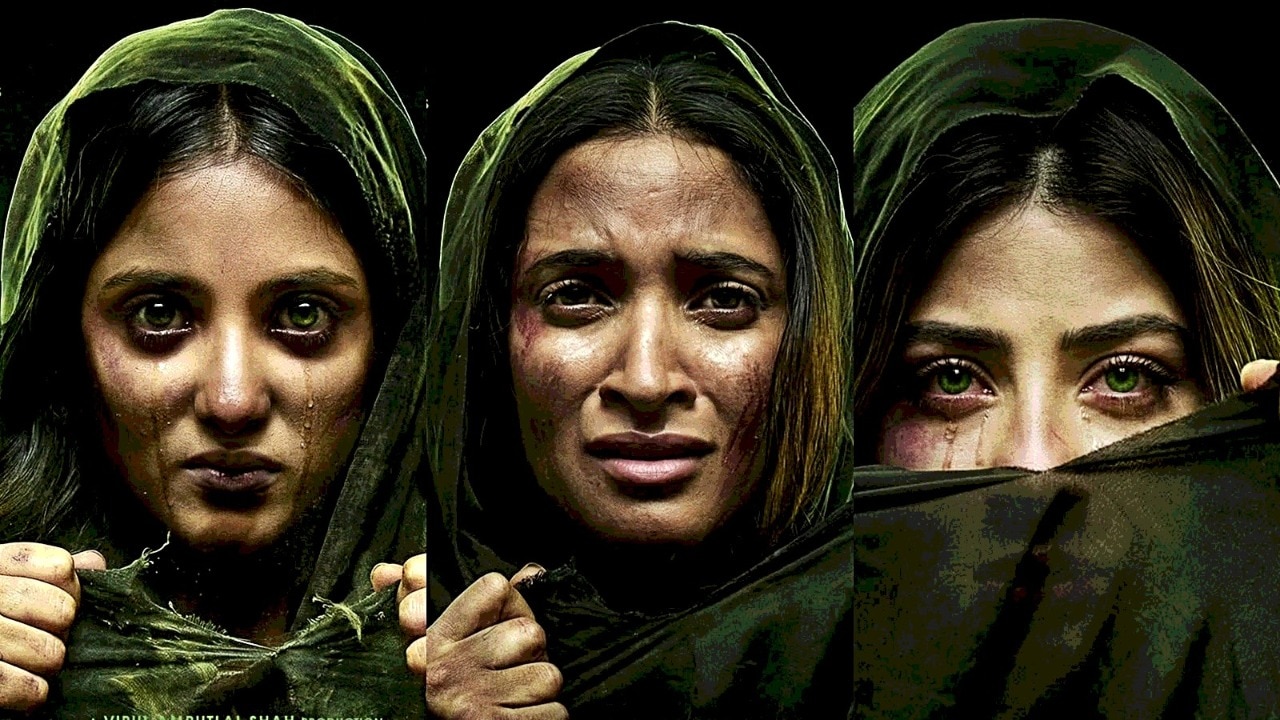
A week before its release, The Kerala Story 2 has found itself at the centre of a fresh controversy, echoing the turbulence that surrounded its predecessor. Directed by Kamakhya Narayan Singh and produced by Vipul Amrutlal Shah, the film claims that young Hindu women are lured into interfaith marriages, only to be assaulted, stripped of their rights, and forced to convert to Islam.
The trailer has sparked intense debate, drawing political attention as well. On Thursday, Kerala Chief Minister Pinarayi Vijayan publicly criticised the film, calling it "false propaganda" and "poisonous". Soon, a petition was filed in Kerala High Court against the film by a person named Sreedev Namboodiri, a biologist by profession.
The petition challenged the release of the film, leading the Kerala High Court to issue notices to the Information & Broadcasting Ministry, Central Board of Film Certification (CBFC), and the film's producer. The court will hear the case on February 24, amid concerns over the film's portrayal of Kerala and potential impact on regional harmony.
But what exactly is the controversy about, and why has a particular scene become the focal point of the discourse?
The debate began after the makers released the trailer earlier this week. It introduces three Hindu women from different parts of India who choose to marry Muslim men against their families' wishes. The narrative then follows their gradual disillusionment: portraying them as isolated from their customs and eventually trapped in loveless, violent marriages.
The trailer frames the film as a cautionary tale. It positions itself as a warning aimed particularly at young women, suggesting that romantic relationships across faiths can lead to loss of identity, faith and autonomy.


Actor Alia Bhatt sent a sweet surprise for Katrina Kaif and Vicky Kaushal's baby boy Vihaan and the adorable gift has caught fans' attention.

Yash's Toxic teaser will release on February 20, building anticipation for the film's March 19 premiere. The film faces a direct box office clash with Ranveer Singh's Dhurandhar 2, creating excitement among fans.

Director Kamakhya Narayan Singh defended The Kerala Story 2 after criticism from Kerala CM Pinarayi Vijayan. He said the film is "fact-based" and aims to raise awareness.

Govinda's cousin Vinay Anand has firmly rejected social media rumours suggesting that the actor is facing financial difficulties. He called such claims baseless and highlighted the star's enduring popularity.

In a heartfelt note, Nick Jonas cheered for his wife, Priyanka Chopra, praising the vision and intention she brought to The Bluff. Priyanka not only leads the project as its star but also serves as a producer, playing a key role in bringing the film to life.

Rashmika Mandanna and Vijay Deverakonda's wedding invitation comes with a premium gift box, combining luxury beauty items and personal branding elements. The two will get married on February 26.

After securing interim bail, Rajpal Yadav broke his silence on the cheque-bounce case. The actor said he needs time, not sympathy, and believes the truth will prevail. He reaffirmed his faith in the courts and thanked supporters for standing by him.

Zahan Kapoor seems to be taking a different route from what star kids usually do in Bollywood. With films like Faraaz and series like Black Warrant and Bandwaale, he is focussed on strength of role rather than commercial hype.

Vijay Deverakonda was seen in a fresh look ahead of his wedding with Rashmika Mandanna. The couple is set for a grand celebration in Udaipur followed by a star-studded reception in Hyderabad.

Kani Kusruti opened up about playing a rape survivor in Assi, saying it is impossible to fully grasp such trauma but essential to portray it with honesty and sensitivity.

Director Joe Rajan's Echoes of Us has emerged as a global festival favourite, earning 67 laurels and multiple acting awards for Deepak Tijori and Iulia Vantur. Rajan credits strong content as king, while acknowledging that support from Arijit Singh and Salman Khan helped amplify the film's reach.

Decorations seen outside Vijay Deverakonda's home have sparked fresh wedding buzz with Rashmika Mandanna.

Ranbir Kapoor and Alia Bhatt stepped out in Mumbai with daughter Raha and Neetu Kapoor. A sweet moment between father and daughter is winning hearts online.