Soviet-era spacecraft plunges to earth after 53 years stuck in orbit
The Hindu
Soviet-era spacecraft Kosmos 482 reenters Earth's atmosphere uncontrolled, sparking concerns over potential debris impact.
A Soviet-era spacecraft plunged to Earth on Saturday (May 10, 2025), more than a half-century after its failed launch to Venus.
The European Union Space Surveillance and Tracking confirmed its uncontrolled reentry, based on analysis and no-shows of the spacecraft on subsequent orbits. The European Space Agency's space debris office also indicated that the spacecraft had reentered after it failed to appear over a German radar station.
It was not immediately known where the spacecraft came in or how much, if any, of the half-ton spacecraft survived the fiery descent from orbit. Experts said ahead of time that some if not all of it might come crashing down, given it was built to withstand a landing on Venus, the solar system's hottest planet.
The chances of anyone getting clobbered by spacecraft debris were exceedingly low, scientists said.
Launched in 1972 by the Soviet Union, the spacecraft known as Kosmos 482 was part of a series of missions bound for Venus. But this one never made it out of orbit around Earth, stranded there by a rocket malfunction.
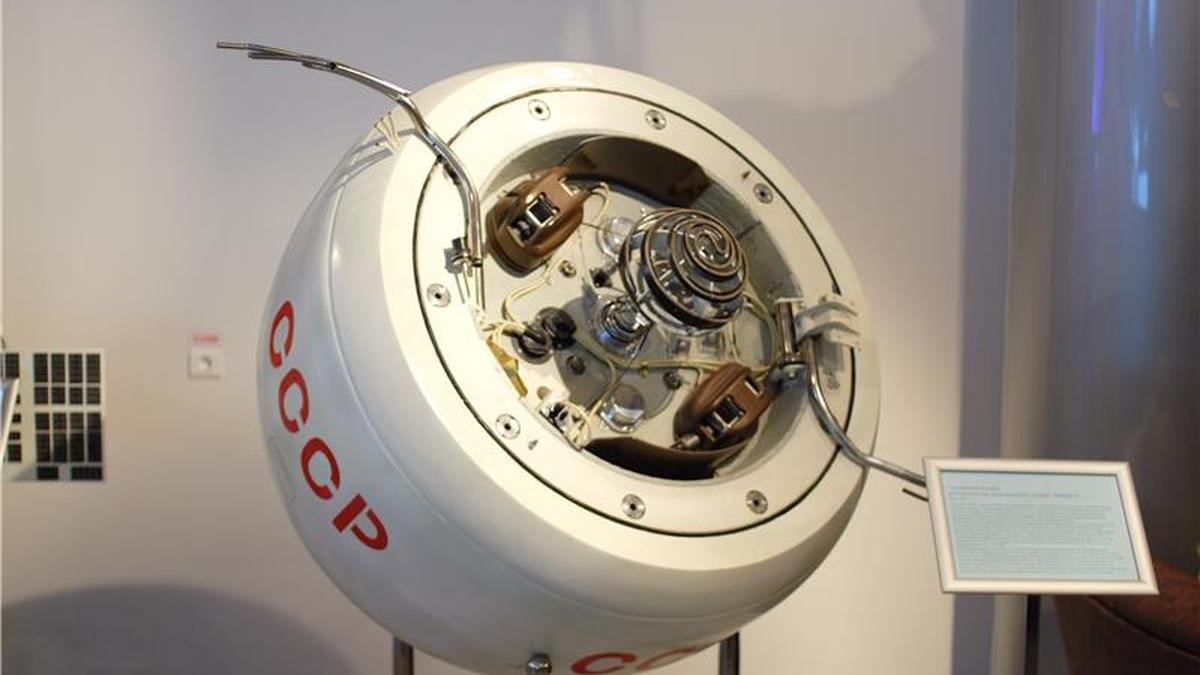
Much of the spacecraft came tumbling back to Earth within a decade of the failed launch. No longer able to resist gravity's tug as its orbit dwindled, the spherical lander — an estimated 3 feet across — was the last part of the spacecraft to come down.
The lander was encased in titanium, according to experts, and weighed more than 495 km.


Discover the Minor Planet Centre, the key hub for tracking and verifying observations of small solar system bodies.

Discover the Minor Planet Centre, the key hub for tracking and verifying observations of small solar system bodies.

In this week's Science for All newsletter, XX explains

Test your knowledge with the quiz on Science films at the Oscars through history

Set between the Siwalik hills and the plains, Butwal offers travellers a mix of regional cuisine, pilgrimage trails to Lumbini and the comfort of Hyatt’s new hospitality landmark

Explore 2026's wallpaper trends in India, highlighting botanicals and handmade designs that enhance modern homes with nature-inspired aesthetics.

Mercedes-Benz CLA 250+ with EQ Technology review: design, performance, range and features explained. Discover how the new electric CLA combines advanced AI, long range, fast charging and futuristic styling for the next generation of luxury EVs.

AI tool for sparrow conservation

BTS’s comeback with ‘Arirang’ marks a major global music event. When does the album release, and where can you watch their concert live stream? We have all the details

The 2026 U.S. cholesterol guidelines urge starting screening and treatment at 30 to prevent cardiovascular disease effectively.

Olam Festival 2026 in Thiruvananthapuram returns March 27-29 with 120+ vendors, music, art, and cultural zones.

A few storytellers in Thiruvananthapuram share their journeys, challenges, and evolving methods on World Storytelling Day, inspiring young minds.

76-year-old Kurian Jacob from Kerala triumphs with seven medals, including five golds, at the Open Masters Games in Abu Dhabi.