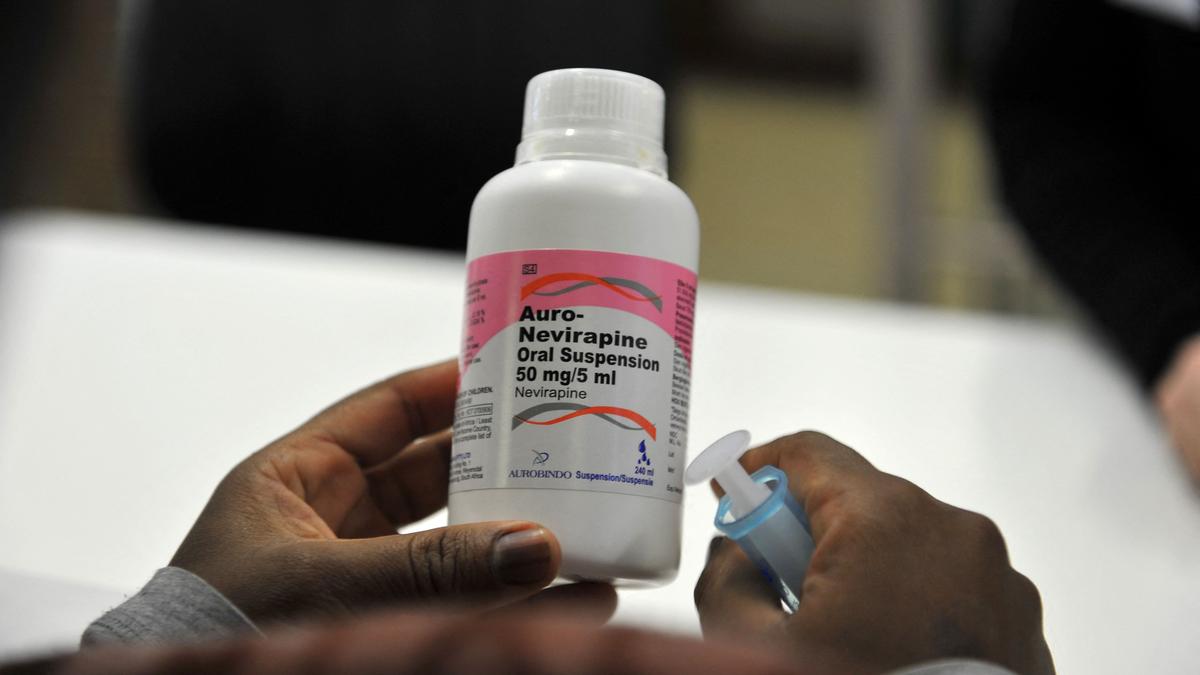
South Africa’s HIV/AIDS clinics scramble over U.S. aid freeze
The Hindu
South African HIV clinics face closure as U.S. funding freeze disrupts services for 8.45 million HIV-positive population.
The gates at a Johannesburg LGBTQ clinic called OUT have been closed for more than a week and HIV prevention and treatment services suspended for its 6,000 clients.
The lights are also off at the University of the Witwatersrand’s HIV project, a leader in the provision of services to sex workers in South Africa. a country with one of the largest HIV-positive populations in the world.
Around 14% of South Africans, around 8.45 million people, were HIV positive in 2022, according to government statistics.
They are among the several South African HIV/AIDS healthcare providers that have been confused, angry, and scrambling for survival since U.S. President Donald Trump issued a 90-day freeze last week on Washington’s foreign aid.
South Africa is one of the largest recipients of funds from the U.S. HIV/AIDS response programme called PEPFAR, a project launched in 2003 and now paused by the funding freeze.
PEPFAR accounts for 17% of the country’s HIV budget, ensuring some 5.5 million people receive anti-retroviral (ARV) treatment, according to the Health Ministry.
“The U.S. is a totally unreliable partner,” said Dawie Nel, the director at OUT, whose Engage Men’s Health clinic in Johannesburg has a note fixed to the gate that announces it is “temporarily closed”. “The system is very volatile and chaotic.”


Russia claims to have shot down nearly 400 Ukrainian drones amid escalating aerial attacks, highlighting intensified conflict between Moscow and Kyiv.

Kim Jong Un reaffirms North Korea's unwavering support for Russia amid strengthened ties and military cooperation against Western adversaries.

Rights group warns of a "dystopian" Hong Kong after police arrest bookstore staff for selling allegedly seditious publications.

Iran rejects a U.S. ceasefire proposal, outlining five conditions for peace amid ongoing conflict with Israel.

Gulf states warn the UN of an existential threat from Iran's strikes, calling for condemnation and monitoring of the situation.

Matt Brittin, ex-Google executive, appointed as BBC's new director general amid ongoing $10 billion lawsuit from Trump.

Pakistan's PM Sharif briefs Saudi Crown Prince on mediating U.S.-Iran talks and reaffirms support amid regional tensions.

Iranian military ridicules Trump's ceasefire claims, asserting U.S. negotiations are merely self-deceptions amid strategic failures.

Denmark's recent election results leave Prime Minister Mette Frederiksen's future uncertain amid a fragmented parliamentary landscape.

An explosion at Valero's Port Arthur refinery caused a temporary shutdown but resulted in no reported injuries.

Anduril and Palantir Technologies are working together to develop software for U.S. President Donald Trump’s Golden Dome antimissile shield initiative, a source familiar with the matter said

A federal judge weighing the merits of the Pentagon’s designation of rising Silicon Valley star Anthropic as a security threat repeatedly questioned the government’s reasons for vilifying the company

When the conflict in West Asia, which began with the U.S. and Israel’s attack on Iran on February 28, escalated into a regional war, analysts said that the war would last as long as Iran had missiles or until the Gulf nations ran out of interceptors. However, with “emergency” military sales, piling monetary costs and a strained supply chain, is the U.S. becoming too constrained in its effort to keep the war going — both militarily and monetarily?