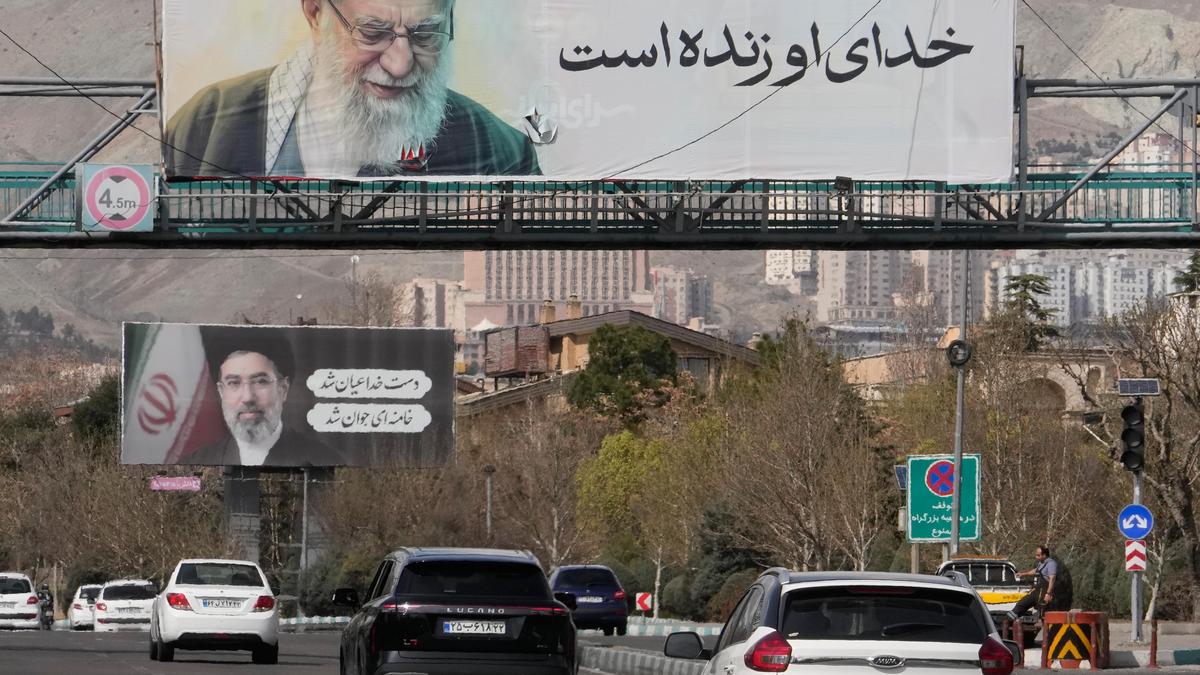
Iran rejects U.S. proposal, sets out conditions to end war
The Hindu
Iran rejects a U.S. ceasefire proposal, outlining five conditions for peace amid ongoing conflict with Israel.
Iran on Wednesday (March 25, 2026) dismissed a U.S. proposal to end the war and set out its own terms for peace, even as it continued trading fire with Israel.
The U.S. proposal offered a ceasefire and sanctions relief in return for Tehran abandoning its nuclear programme and reopening the Strait of Hormuz. According to state-run Press TV, Iran has laid down five conditions to end the war, which the U.S. and Israel launched on February 28 with the assassination of Supreme Leader Ayatollah Ali Khamenei and several other leaders. Tehran is seeking: “a complete halt to aggression and assassinations; “concrete mechanisms” to prevent future attacks; payment of war damages and reparations; an end to fighting on “all fronts”; and recognition of its “exercise of sovereignty” over the Strait of Hormuz, which it calls its “natural and legal right”.
Iran-Israel war updates on March 25, 2026
“Iran will end the war when it decides to do so and when its own conditions are met,” a senior security official said, according to Press TV. The official, who is not named in the report, said Washington has put forward proposals through various diplomatic channels that are “excessive” and “disconnected from reality” on the battlefield.
The Associated Press earlier cited two Pakistani officials as saying that Islamabad had delivered the U.S. plan to Tehran. The proposal addresses sanctions relief, a rollback of Iran’s nuclear programme, limits on its missile programme, reopening the Strait of Hormuz and restrictions on Iran’s support for non-state militias in West Asia such as Hezbollah and Hamas, said the officials.
U.S. President Donald Trump, who on Monday (March 23, 2026) backed off from an earlier threat to attack Iran’s power infrastructure claiming that Washington and Tehran were in talks, said on Tuesday (March 24, 20260 at the Oval Office that Iran had given him “a very big present worth a tremendous amount of money”, adding that “we are dealing with the right people”. Without elaborating on the “present”, Mr. Trump, who had earlier claimed the U.S. had “productive talks” with Iran, said: I think we’re going to end [the war].”


When the conflict in West Asia, which began with the U.S. and Israel’s attack on Iran on February 28, escalated into a regional war, analysts said that the war would last as long as Iran had missiles or until the Gulf nations ran out of interceptors. However, with “emergency” military sales, piling monetary costs and a strained supply chain, is the U.S. becoming too constrained in its effort to keep the war going — both militarily and monetarily?

U.S.-Israel war on Iran LIVE: Follow The Hindu for updates on the West Asia conflict on March 25, 2026

Jair Bolsonaro to serve his sentence at home due to health issues, monitored by police, with a review in 90 days.

A New Mexico jury finds Meta liable for harming children's mental health, marking a significant shift in accountability for tech companies.

Modi and Dissanayake discuss energy cooperation, West Asia conflict, and global supply chain disruptions in a recent phone call.

Russia launches a massive drone and missile attack on Ukraine, signaling the potential beginning of a spring offensive.

U.S. official Elbridge Colby emphasizes India's vital role in the Indo-Pacific, highlighting mutual benefits despite existing differences.

Philippine President Marcos declares national energy emergency amid Middle East conflict, ensuring fuel and essential goods supply stability.

Mohammad Baqer Zolqadr appointed as Iran's new security chief, succeeding Ali Larijani after his assassination.

Israel plans to occupy southern Lebanon amid escalating violence, targeting Hezbollah and causing widespread destruction and civilian casualties.

Trump reveals Secretary Hegseth was pivotal in discussing military action against Iran amid escalating tensions in the Middle East.

Iran arrests 466 individuals for online activities threatening national security amid ongoing tensions with Israel and the U.S.

China protests to Japan over a break-in at its Tokyo embassy, demanding a thorough investigation and accountability.