G7 meets in France to narrow transatlantic Iran split
The Hindu
G7 Foreign Ministers meet in France to address tensions over Iran while prioritizing crises in Ukraine and Gaza.
Foreign Ministers from the G7 meet outside Paris from Thursday (March 26, 2026) with European nations and allies seeking to narrow differences with the U.S. on the war on Iran while keeping other crises like Ukraine and Gaza high on the agenda.
The two-day meeting of seven leading industrialised democracies at the Vaux-de-Cernay Abbey in the countryside outside Paris comes as the White House said President Donald Trump is ready to "unleash hell" if Iran does not accept a deal to end the U.S.-Israeli war against the Islamic republic.
Making his first trip abroad since the war started, U.S. Secretary of State Marco Rubio will join fellow top diplomats from Canada, Germany, Italy, France, Japan and the U.K., but only on the second day.
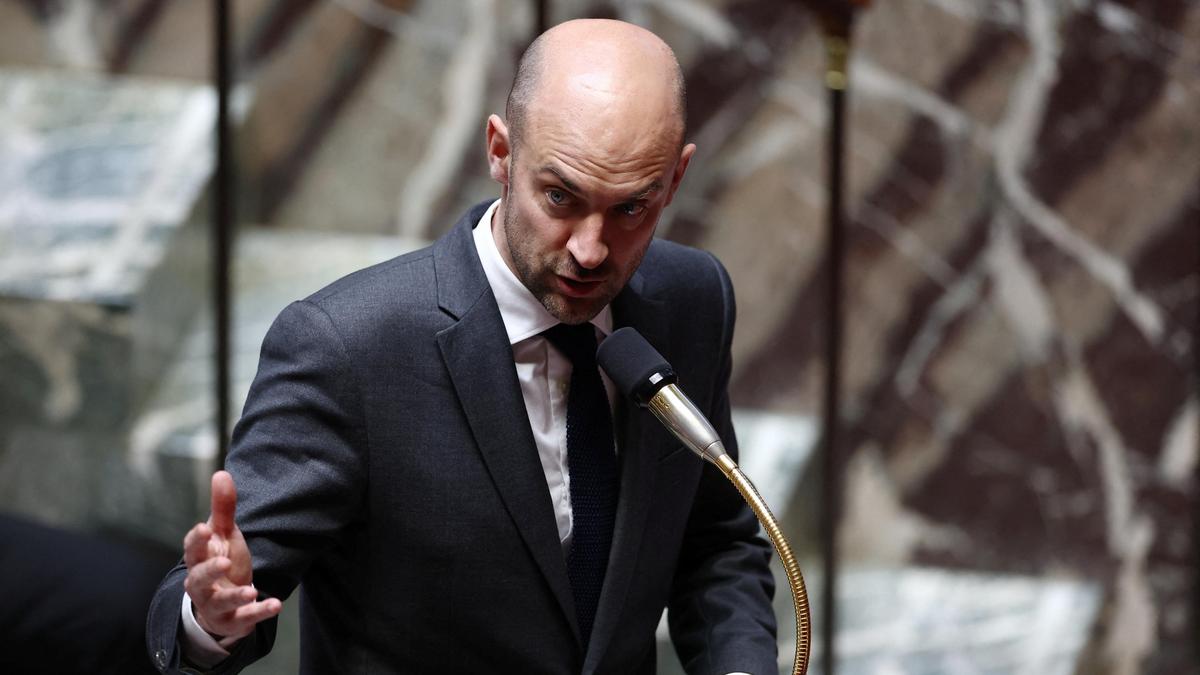
One of the objectives of France, which holds the rotating G7 presidency this year, is "to address the major global imbalances which explain in many respects the level of tension and rivalry we are witnessing with very concrete consequences for our fellow citizens," French Foreign Minister Jean-Noel Barrot told AFP on Tuesday (March 24).
In a bid to broaden the scope of the elite G7 club -- whose origins go back to the first G6 summit held in the nearby Chateau de Rambouillet in 1975 -- France has also invited Foreign Ministers from key emerging markets Brazil and India as well as Ukraine, Saudi Arabia and South Korea.
While all G7 nations are close U.S. allies, none have unambiguously offered support for the assault on Iran, angering Mr. Trump.


Iran rejects a U.S. ceasefire proposal, outlining five conditions for peace amid ongoing conflict with Israel.

Gulf states warn the UN of an existential threat from Iran's strikes, calling for condemnation and monitoring of the situation.

Matt Brittin, ex-Google executive, appointed as BBC's new director general amid ongoing $10 billion lawsuit from Trump.

Pakistan's PM Sharif briefs Saudi Crown Prince on mediating U.S.-Iran talks and reaffirms support amid regional tensions.

Iranian military ridicules Trump's ceasefire claims, asserting U.S. negotiations are merely self-deceptions amid strategic failures.

Denmark's recent election results leave Prime Minister Mette Frederiksen's future uncertain amid a fragmented parliamentary landscape.

An explosion at Valero's Port Arthur refinery caused a temporary shutdown but resulted in no reported injuries.

Anduril and Palantir Technologies are working together to develop software for U.S. President Donald Trump’s Golden Dome antimissile shield initiative, a source familiar with the matter said

A federal judge weighing the merits of the Pentagon’s designation of rising Silicon Valley star Anthropic as a security threat repeatedly questioned the government’s reasons for vilifying the company

When the conflict in West Asia, which began with the U.S. and Israel’s attack on Iran on February 28, escalated into a regional war, analysts said that the war would last as long as Iran had missiles or until the Gulf nations ran out of interceptors. However, with “emergency” military sales, piling monetary costs and a strained supply chain, is the U.S. becoming too constrained in its effort to keep the war going — both militarily and monetarily?

U.S.-Israel war on Iran LIVE: Follow The Hindu for updates on the West Asia conflict on March 25, 2026

Jair Bolsonaro to serve his sentence at home due to health issues, monitored by police, with a review in 90 days.

A New Mexico jury finds Meta liable for harming children's mental health, marking a significant shift in accountability for tech companies.