Should Wearing Deodorant Be Part Of The Social Contract?
HuffPost
It’s an incredibly subjective topic, but there’s also a medical explanation behind it.
As the temperatures climb, we wear less. We show up in public in near-nakedness, at the beach, the park, and at parties. It’s also common to update our fragrance wardrobes, swapping the heavy, dark aromatics of winter in favor of lighter, airier floral and ocean-inspired notes.
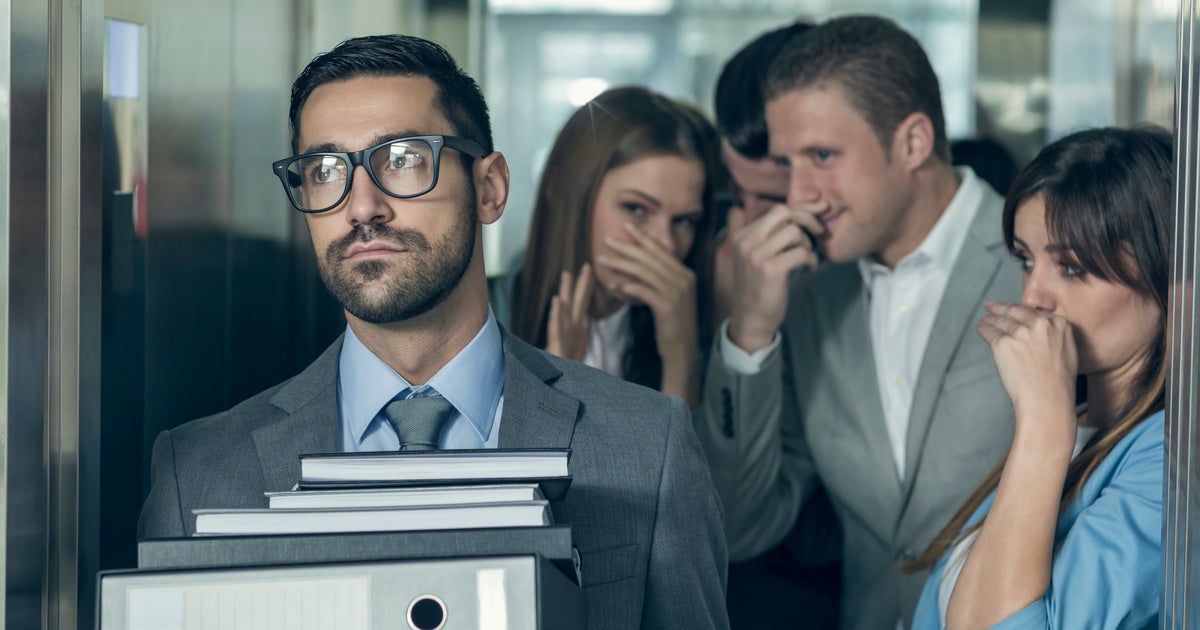
But it’s also that time of year where if you get into a crowded subway, attend a raucous concert or an intimate gathering at an art gallery, you’re more likely to smell and be smelled by others — strangers and friends alike. So, we couldn’t help but wonder: Is wearing deodorant part of a social contract?
When we wear less clothing, should we be more diligent about wearing deodorant?
There are hundreds of deodorants on the market in 2025, ranging from aerosols, roll-ons, whole-body creams, wipes and powders to natural and aluminum-free options. There’s deodorant for men, women, teens and non-binary formulas. Deodorant is a $27 billion per year industry, and it’s a market that has seen growth over the years, with the emergence of new niches, product innovations, and bespoke formulas. In short, no one wants to smell foul.
But it’s not that simple.


Three experts on bone health explain why your bone density is important, and the types of exercise that can help.

They eat it themselves, and they encourage patients to have more of it, too.

The ’90s hair accessory is having a resurgence thanks to “Love Story: John F. Kennedy Jr. & Carolyn Bessette.” But doctors have a warning.

It’s easy to think you know everything about the person you’re with.

Here’s what eco-dietitians want everyone to take away from the Vital Farms egg controversy, and what labels to look for at the store.

There are scores of toothpastes available on the shelves, but dentists say there are right and wrong options.

Yes, there's a high likelihood that your parents and grandparents are still having sex.

Doctors share their thoughts on what’s normal when it comes to gas and what needs to be checked out.

The United States is getting slammed by a stretch of weather extremes.

There’s a useful chart that can help you determine if your stool falls into a healthy or not-so-healthy category.

If you and your friends still keep tabs on that girl from high school, this is for you.

These lazy (but legit) meals are homemade as hell, and much more satisfying than takeout.

You'll need a portable phone charger, compact backpack and some first aid before you pack up and go on a trip outside the country.