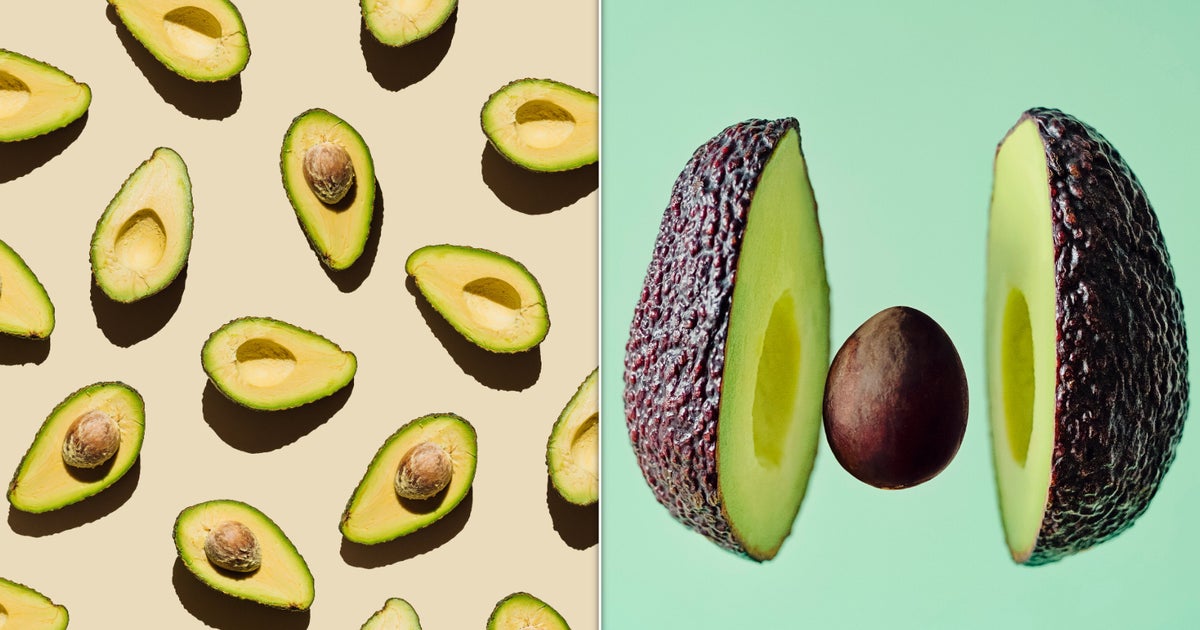
The Ripeness Level Of Your Avocado Actually Matters For Your Health— Here's How
HuffPost
It impacts how your body digests it, absorbs its nutrients and even responds metabolically after you eat it.
Most people judge an avocado’s readiness by one simple test: a gentle squeeze. Too firm, and it stays on the counter. Too soft, and it risks going straight into the trash. (Yes, we agree, the window between those two states often feels comically short. But that’s fodder for another story).
Beyond texture and taste, though, the ripeness of an avocado actually shapes how your body digests it, absorbs its nutrients, and even responds metabolically after you eat it.
In fact, as avocados ripen, their internal chemistry changes. Fats become more accessible, carbohydrates shift form, and antioxidant levels rise and fall. According to doctors and nutrition experts, these changes can influence digestion, blood sugar response and nutrient absorption.
That’s all to say that an avocado’s health benefits aren’t fixed but actually evolve as the fruit matures — just as is the case with bananas.
Why Ripeness Matters


Three experts on bone health explain why your bone density is important, and the types of exercise that can help.

They eat it themselves, and they encourage patients to have more of it, too.

The ’90s hair accessory is having a resurgence thanks to “Love Story: John F. Kennedy Jr. & Carolyn Bessette.” But doctors have a warning.

It’s easy to think you know everything about the person you’re with.

Here’s what eco-dietitians want everyone to take away from the Vital Farms egg controversy, and what labels to look for at the store.

There are scores of toothpastes available on the shelves, but dentists say there are right and wrong options.

Yes, there's a high likelihood that your parents and grandparents are still having sex.

Doctors share their thoughts on what’s normal when it comes to gas and what needs to be checked out.

The United States is getting slammed by a stretch of weather extremes.

There’s a useful chart that can help you determine if your stool falls into a healthy or not-so-healthy category.

If you and your friends still keep tabs on that girl from high school, this is for you.

These lazy (but legit) meals are homemade as hell, and much more satisfying than takeout.

You'll need a portable phone charger, compact backpack and some first aid before you pack up and go on a trip outside the country.