Science activism is surging – which marks a culture shift among scientists Premium
The Hindu
Two social scientists have found that more scientists seem empowered to advocate for a wide range of policy issues
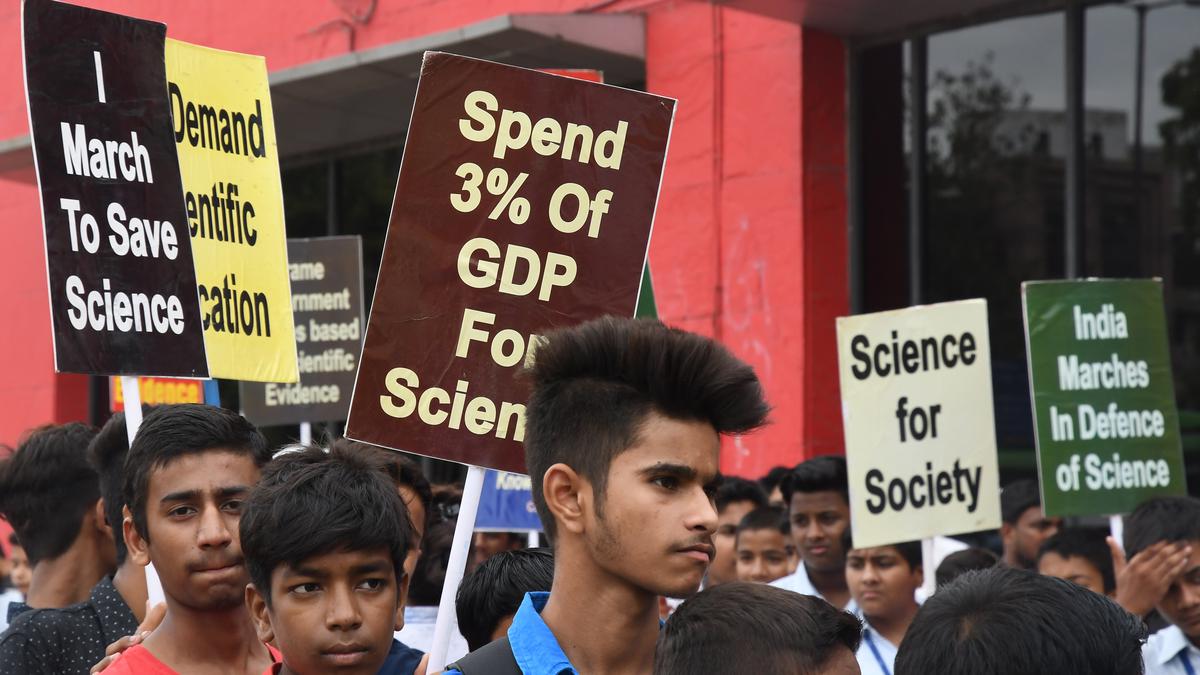
Hundreds of scientists protested government efforts to restrict educational access to Western science theories, including Darwin’s theory of evolution, in June 2023 in India. Similarly, scientists in Mexico participated in a research strike in May 2023 to protest a national law they claimed would threaten the conditions for basic research. And during the same month in Norway, three scientists were arrested for protesting the nation’s slow-moving climate policy.
As these among many other actions show, scientists today are speaking out on a variety of political and social issues related to their own research fields and in solidarity with other social movements.
We are social scientists who study the relationship between science and society. Through our work, we’ve noticed more scientists seem empowered to advocate for a wide range of policy issues. We’re interested in how the surge in science activism may be changing the norms of scientific research.
With colleagues, we recently reviewed and summarized a growing body of studies examining how scientists are mobilizing for social activism and political protest. We also surveyed 2,208 members of the Union of Concerned Scientists Science Network to learn more about scientists’ political engagement. Here is what we have found so far.
Also Read | Darwin must stay in Indian school textbooks
Science activism has long been considered taboo, as many in the field fear that politicizing science undermines its objectivity. Even so, scientist-activists have still managed to shape the U.S. political landscape throughout history. Over the past century, for example, scientists have protested the atomic bomb, pesticides, wars in Southeast Asia, genetic engineering and the federal response to the AIDS epidemic.
More recently, the election of Donald Trump in 2016 triggered a wave of political mobilization not seen in the United States since the Vietnam War era. In the context of the COVID-19 pandemic, climate change activism, Black Lives Matter and the #MeToo movement, scientists have also mobilized, and science advocacy organizations are playing important roles.


Discover the Minor Planet Centre, the key hub for tracking and verifying observations of small solar system bodies.

Discover the Minor Planet Centre, the key hub for tracking and verifying observations of small solar system bodies.

In this week's Science for All newsletter, XX explains

Test your knowledge with the quiz on Science films at the Oscars through history

Set between the Siwalik hills and the plains, Butwal offers travellers a mix of regional cuisine, pilgrimage trails to Lumbini and the comfort of Hyatt’s new hospitality landmark

Explore 2026's wallpaper trends in India, highlighting botanicals and handmade designs that enhance modern homes with nature-inspired aesthetics.

Mercedes-Benz CLA 250+ with EQ Technology review: design, performance, range and features explained. Discover how the new electric CLA combines advanced AI, long range, fast charging and futuristic styling for the next generation of luxury EVs.

AI tool for sparrow conservation

BTS’s comeback with ‘Arirang’ marks a major global music event. When does the album release, and where can you watch their concert live stream? We have all the details

The 2026 U.S. cholesterol guidelines urge starting screening and treatment at 30 to prevent cardiovascular disease effectively.

Olam Festival 2026 in Thiruvananthapuram returns March 27-29 with 120+ vendors, music, art, and cultural zones.

A few storytellers in Thiruvananthapuram share their journeys, challenges, and evolving methods on World Storytelling Day, inspiring young minds.

76-year-old Kurian Jacob from Kerala triumphs with seven medals, including five golds, at the Open Masters Games in Abu Dhabi.