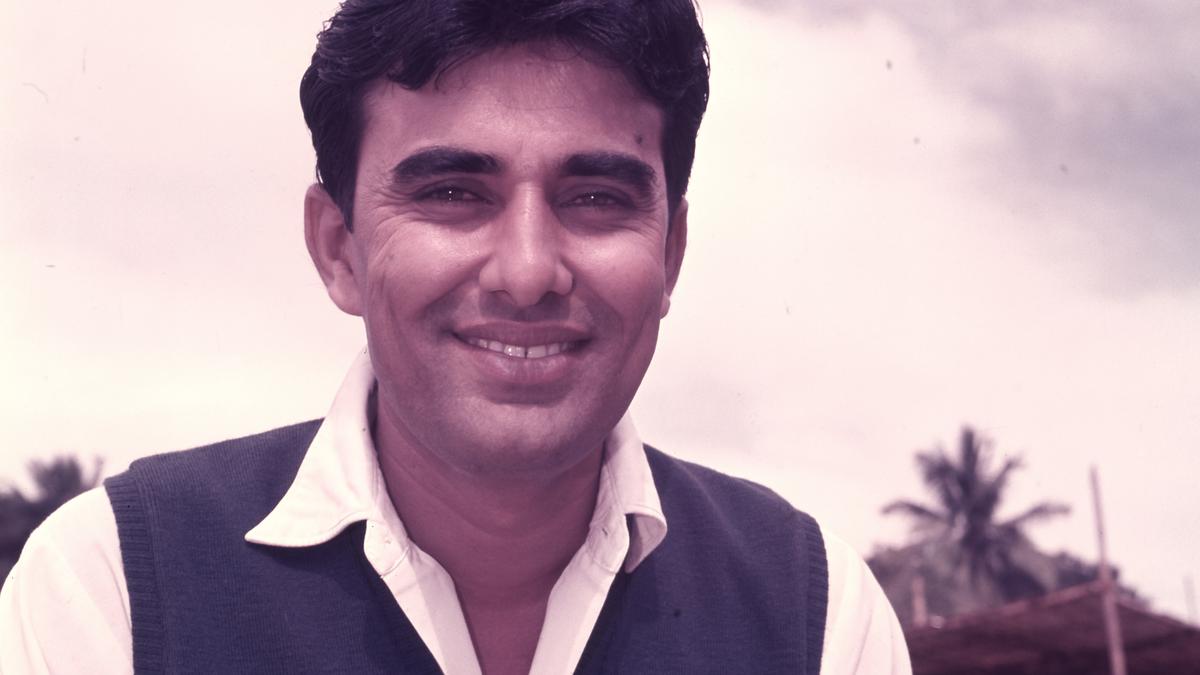
Review of Gulu Ezekiel’s Salim Durani — The Prince of Indian Cricket: Lord of flair
The Hindu
Review of Gulu Ezekiel’s ‘Salim Durani — The Prince of Indian Cricket’
Sometimes an anecdote says more about a player than averages or strike rates. There’s a story here about cricketer Salim Durani hiding behind a newspaper in the team hotel to avoid meeting the chairman of selectors, Datta Ray. Relieved Ray had walked past, he then stretches his legs. And sends the official sprawling.
Durani missed two Tests of the home series and the tours of England, Australia and New Zealand that followed as Ray accused him of deliberately tripping him. This says something about the player, the selector and the state of Indian cricket in the 1960s. The official was king and the players, mere pawns.
In Ezekiel’s book, Salim Durani: The Prince of Indian Cricket, Durani was a man things happened to. When these were good things, he lived up to the author’s portrayal as ‘Destiny’s Child.’
Like all larger-than-life figures, Durani attracted stories around him that balanced on the verge of the possible. For years it was believed that he was born in Afghanistan. “I was born under the open skies in a caravan camp in the Khyber pass...” Durani clarified. If this were a book of fiction, would he be the unreliable narrator?
But this is a biography, and an overdue one at that, of one of India’s most colourful and talented players. Ezekiel has chosen his colours well to give us a portrait of a man with movie star looks who filled stadiums, but was easily misunderstood and often dismissed as wayward or temperamental. Tiger Pataudi, who led him in 15 of his 29 Tests once told me his biggest regret was not making full use of Durani’s talent.
But even his critics considered him a genius who won matches with his left arm spin or batting alone. Durani played an important role in India’s first series win against England (home), and 10 years later, hastened India’s first win against the West Indies (away).
Ezekiel follows Durani’s career with a scrupulousness and attention to detail that places the runs scored and wickets taken in the context of the bigger picture of Indian cricket.


From traditional handicraft items from Manipur to a variety of dress materials from across state by women Self-Help group members are on display at the stalls at the National SARAS mela in Karavali Utsava ground in Mangaluru. The nine-day long mela began on Friday.

India participated as an observer at the Board of Peace meeting, reaffirming its support for a viable Palestinian state.

T.N. Deputy Chief Minister inaugurates CREDAI FAIRPRO 2026, showcasing over 500 real estate projects from 80 developers in Chennai.

Andhra Pradesh prioritizes Guntur Mirchi Yard's development with a new committee focused on quality yields and farmer support.

Navy delegates from 50 countries explore natural dyeing and local crafts at Sankalpa Art Village during the International Fleet Review.

Farmers complained about indiscriminate stone quarrying taking place in Madurai district, particularly at Kallanai in Kalligudi taluk. They urged authorities to take necessary action to stop the indiscriminate quarrying activities and protect the environment

Madras High Court dismisses Ramadoss's petitions to freeze 'mango' symbol, emphasizing resolution through civil court, not writs.

After more-than-two-year wait, the flyover at Goripalayam junction will be commissioned on Saturday. As of now, the main arm of the new flyover, named after freedom fighter Netaji Subash Chandra Bose, will help to decongest vehicular movement from Tamukkam junction till Nelpettai junction on East Veli Street.

PAC criticizes the government for poor execution and financial delays in the ₹4,455 crore SANKALP skill development scheme.

Coimbatore is emerging as a leading hub for Global Capability Centres in Tamil Nadu, driven by strong educational infrastructure and investment.

Peace talks between fishermen from Rameswaram and Karaikal aim to resolve fishing territory disputes and ensure maritime harmony.

Telangana's Food Safety Department inspects 122 establishments in a statewide drive, enforcing compliance on cereal products and safety standards.

The Greater Bengaluru Authority expands to 86 members, enhancing representation with key political figures included.