Reality TV Fandom Has Reached Peak Toxicity. Stan Culture Is A Big Reason Why.
HuffPost
Shows like “Love Island USA” have triggered the worst online behavior in viewers yet. Experts say it reflects a deeper issue with how audiences today choose to engage.
Reality shows, like almost all television programming, have always thrived on attention currency: the idea that our viewing habits can be commodified into a measure of what’s hot, popular and worthy of our precious time.
At reality TV’s genesis, that looked like network ratings from millions of viewers tuning in for appointment television week after week for, in most cases, the juicy drama they couldn’t get enough of. Nowadays, though, those ratings are more contingent upon onscreen drama sparking discussions, and not just in our homes, group chats and at the office watercooler. Instead, conversations have shifted to places like social media, which are designed to fuel TV gossip discourse (the good and the bad) for a much wider, more engaged, and, dare I say, obsessed audience.
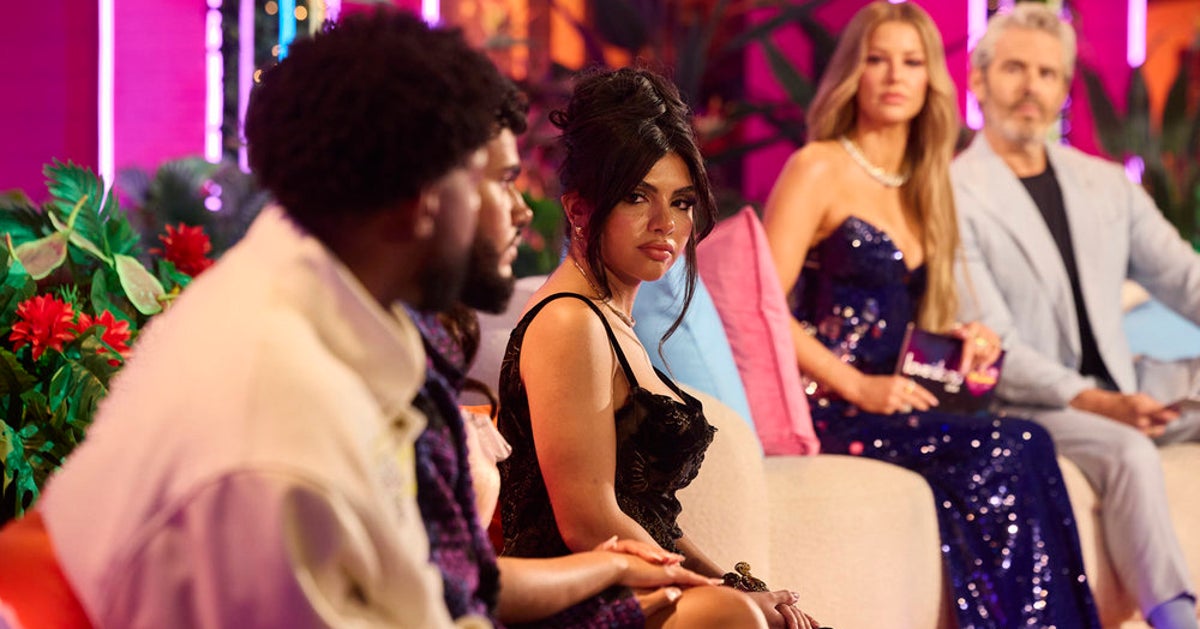
It’s for that reason that many who aren’t avid reality TV watchers may have found their social media timelines hijacked this summer by the annual fixation of Peacock’s “Love Island USA.”
A hit spinoff of the U.K. original, “Love Island USA” has become the most-talked-about reality series in recent memory, largely due to the unprecedented success of Season 6’s breakout cast — whom fans have followed religiously online and in real life since last summer, and even now on their Peacock spinoff, “Love Island: Beyond the Villa.”
But the same can be said of the show’s record-breaking seventh season, which has been the subject of just as much, if not more, internet chatter this summer.


Holly Hallstrom recalls how the late game show host’s behavior led her to go broke and live out of her car.

The stand-up comedian has joined a swath of celebrities to be honored with a less-than-perfect wax figure.

"My goal has always been to educate and inform," the news host said in announcing her departure.

“It makes no sense at all," said the late-night host.

The 55-year-old performer, whose given name is Michael Lawrence Tyler, pleaded guilty to third-degree rape in an Ascension Parish courtroom, records show.

"It's been a heavy time to see the headlines," the "Secret Lives of Mormon Wives" star told "Good Morning America."

Security footage shows a man wearing a black beanie, sunglasses, a green tank top, and brown shorts approaching the pygmy hippo while holding a tablet.

"You accept that it’s broken and you take this new step forward,” the morning show personality said earlier.

"You accept that it’s broken and you take this new step forward,” the morning show personality said earlier.

The Trump scion "caught a stray” from his dad during an address, said "The Late Show" host.

His family's commitment to screen-free parenting should probably be studied.

This year’s honorees included Kerry Washington, Chase Infiniti, LaTanya Richardson Jackson, Zinzi Coogler and the women of "Sinners."

The “Tonight Show” host dunked on the president as the NCAA basketball tournament was set to begin.