Pulitzer winner Jhumpa Lahiri declines award over New York museum's keffiyeh ban
The Hindu
Jhumpa Lahiri declines award over keffiyeh controversy at Noguchi Museum, sparking debate on Israel-Palestine conflict.
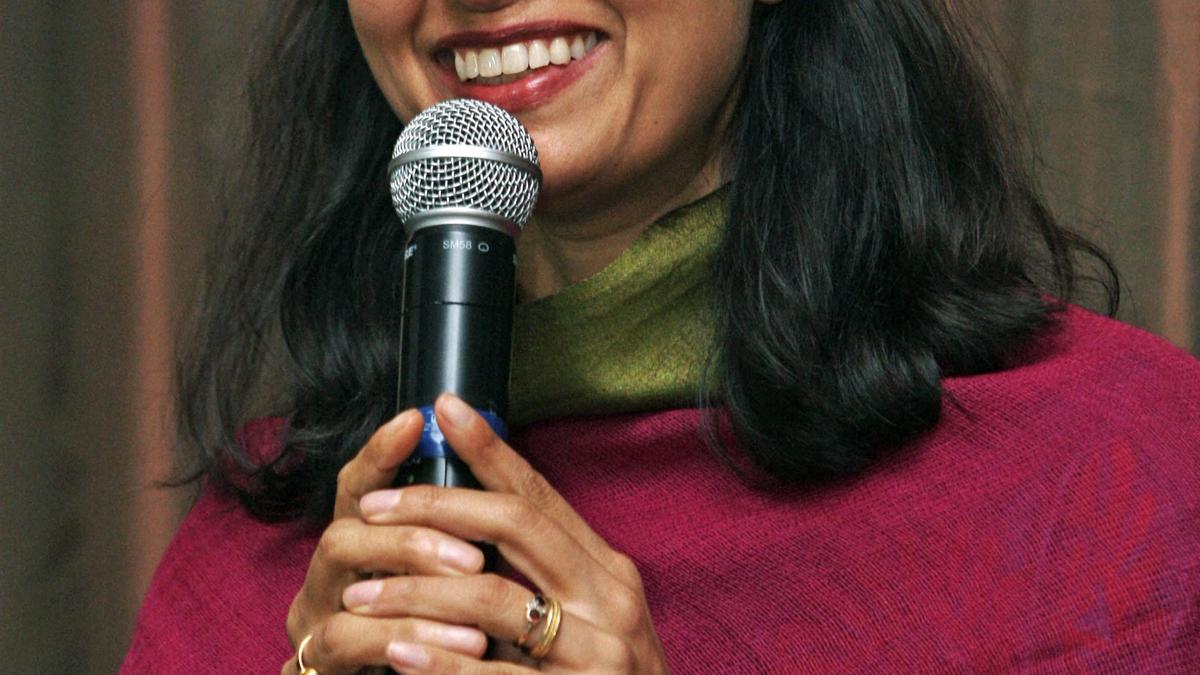
Pulitzer Prize winning author Jhumpa Lahiri declined to accept an award from New York City's Noguchi Museum after it fired three employees for wearing keffiyeh head scarves, an emblem of Palestinian solidarity, following an updated dress code.
"Jhumpa Lahiri has chosen to withdraw her acceptance of the 2024 Isamu Noguchi Award in response to our updated dress code policy," the museum said in a statement on Wednesday (September 25, 2024).
"We respect her perspective and understand that this policy may or may not align with everyone's views." Ms. Lahiri received the Pulitzer Prize in 2000 for her book "Interpreter of Maladies."
Also read: Why are students protesting across U.S. campuses? | Explained
The New York Times first reported the news.
Across the world, in protesters demanding an end to Israel's war in Gaza have worn the black-and-white keffiyeh head scarf, a symbol of Palestinian self-determination.
Anti apartheid South African leader Nelson Mandela was also seen wearing the scarf on many occasions.


Denmark's recent election results leave Prime Minister Mette Frederiksen's future uncertain amid a fragmented parliamentary landscape.

An explosion at Valero's Port Arthur refinery caused a temporary shutdown but resulted in no reported injuries.

Anduril and Palantir Technologies are working together to develop software for U.S. President Donald Trump’s Golden Dome antimissile shield initiative, a source familiar with the matter said

A federal judge weighing the merits of the Pentagon’s designation of rising Silicon Valley star Anthropic as a security threat repeatedly questioned the government’s reasons for vilifying the company

When the conflict in West Asia, which began with the U.S. and Israel’s attack on Iran on February 28, escalated into a regional war, analysts said that the war would last as long as Iran had missiles or until the Gulf nations ran out of interceptors. However, with “emergency” military sales, piling monetary costs and a strained supply chain, is the U.S. becoming too constrained in its effort to keep the war going — both militarily and monetarily?

U.S.-Israel war on Iran LIVE: Follow The Hindu for updates on the West Asia conflict on March 25, 2026

Jair Bolsonaro to serve his sentence at home due to health issues, monitored by police, with a review in 90 days.

A New Mexico jury finds Meta liable for harming children's mental health, marking a significant shift in accountability for tech companies.

Modi and Dissanayake discuss energy cooperation, West Asia conflict, and global supply chain disruptions in a recent phone call.

Russia launches a massive drone and missile attack on Ukraine, signaling the potential beginning of a spring offensive.

U.S. official Elbridge Colby emphasizes India's vital role in the Indo-Pacific, highlighting mutual benefits despite existing differences.

Philippine President Marcos declares national energy emergency amid Middle East conflict, ensuring fuel and essential goods supply stability.

Mohammad Baqer Zolqadr appointed as Iran's new security chief, succeeding Ali Larijani after his assassination.