Preparing India for water stress, climate resilience Premium
The Hindu
India must note that a water-secure economy is the first step towards a climate-resilient one
As the India Meteorological Department (IMD) predicts a hotter summer and longer heat waves from April to June, India must also prepare for water stress. The challenge is that we are programmed to consider acute stresses (heat, water, or extreme weather) as temporary, to be handled often as disaster relief. We must move from panic reactions when disaster strikes (like the water crisis in Bengaluru), to understand and respond to the chronic nature of risks we face. Moreover, climate action cannot be left to a few sectors or businesses. Nor can environmental sustainability be reduced to sapling plantation drives over a few days.
This Earth Day (April 22) should be a wake-up call. The climate is the economy now, and the economic production frontier will expand or shrink depending on how we understand the intersections between land, food, energy and water.
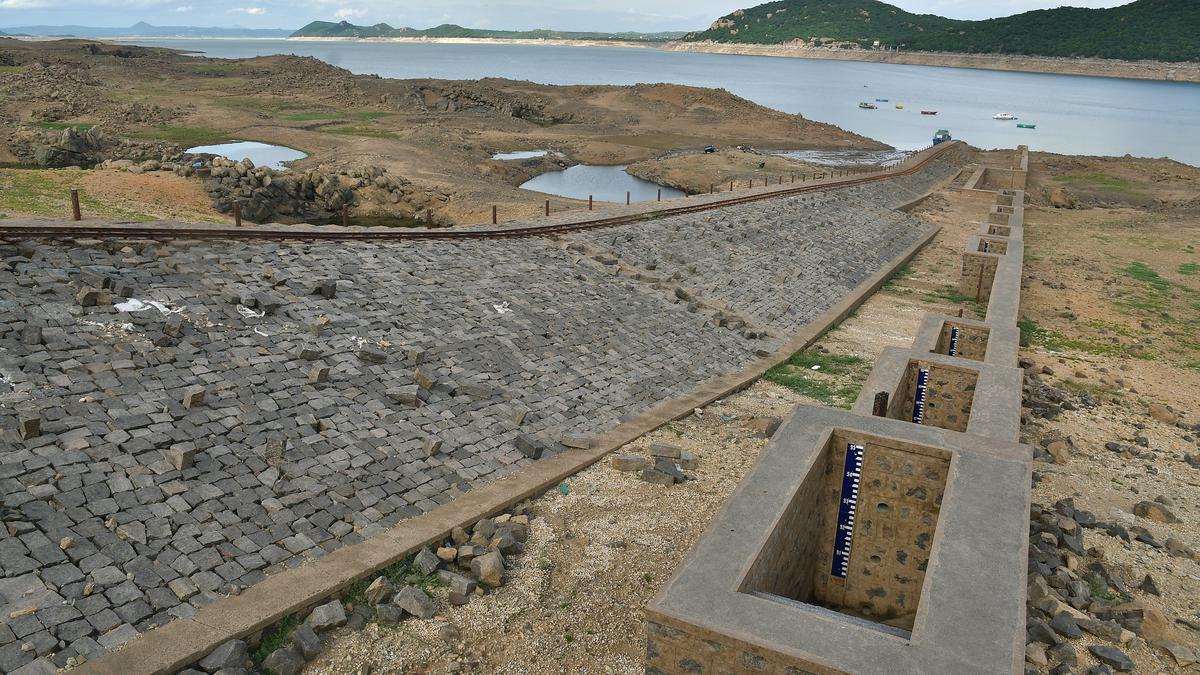
India houses 18% of the world’s population on 2.4% of the earth’s surface area and has just 4% of global freshwater resources. Nearly half its rivers are polluted, and 150 of its primary reservoirs are currently at just 38% of their total live storage capacity. Further, it is the largest user of groundwater in the world. And three-quarters of India’s districts are hotspots for extreme climate events.
Against this backdrop, India has invested heavily in disaster preparedness, but the nature of climatic shocks will continue to change. There will be sudden shocks (heavy rainfall, rapid declines in water availability) as well as slow onset but periodic stresses (reduced water retention in soils, changes in trend lines for rainfall). Seasonal disaster preparedness and responses are no longer sufficient to tackle climate risks.
For long, we have not taken cognisance of the many ways by which water flows through our economy and, instead, addressed water (and other natural resources) in silos. Water connects our hydrological, food, and energy systems, impacting millions of people.
How does this connection work? Precipitation is the primary source of soil moisture and water stored in vegetation (green water) and the water available in rivers and aquifers (blue water). Both blue and green water impact the food we grow — irrigating crops, influencing harvests, and being critical to the economy. But this sector that employs the most is increasingly climate vulnerable. The India Employment Report 2024 shows that agriculture still employs around 45% of the population and absorbs most of the country’s labour force. At the same time, a Council on Energy, Environment and Water (CEEW) study showed that monsoon rainfall is changing patterns in India, with 55% of ‘tehsils’ or sub-districts seeing a significant increase of more than 10% in southwest monsoon rainfall in the last decade, compared to the previous three. But this increased rainfall is frequently coming from short-duration, heavy rain, affecting crop sowing, irrigation and harvesting. Making the agricultural sector more resilient to climatic and water stresses matters for jobs, growth and sustainability.
Water is also a key component of the world’s clean energy transition. Green hydrogen, seen as a crucial pillar for decarbonising industry and long-distance transport sectors, is produced using water and electricity sourced from renewables. Pumped storage hydropower — which acts as a natural battery and is essential to balance the power grid load — is an important component of a clean but reliable power system.


From traditional handicraft items from Manipur to a variety of dress materials from across state by women Self-Help group members are on display at the stalls at the National SARAS mela in Karavali Utsava ground in Mangaluru. The nine-day long mela began on Friday.

India participated as an observer at the Board of Peace meeting, reaffirming its support for a viable Palestinian state.

T.N. Deputy Chief Minister inaugurates CREDAI FAIRPRO 2026, showcasing over 500 real estate projects from 80 developers in Chennai.

Andhra Pradesh prioritizes Guntur Mirchi Yard's development with a new committee focused on quality yields and farmer support.

Navy delegates from 50 countries explore natural dyeing and local crafts at Sankalpa Art Village during the International Fleet Review.

Farmers complained about indiscriminate stone quarrying taking place in Madurai district, particularly at Kallanai in Kalligudi taluk. They urged authorities to take necessary action to stop the indiscriminate quarrying activities and protect the environment

Madras High Court dismisses Ramadoss's petitions to freeze 'mango' symbol, emphasizing resolution through civil court, not writs.

After more-than-two-year wait, the flyover at Goripalayam junction will be commissioned on Saturday. As of now, the main arm of the new flyover, named after freedom fighter Netaji Subash Chandra Bose, will help to decongest vehicular movement from Tamukkam junction till Nelpettai junction on East Veli Street.

PAC criticizes the government for poor execution and financial delays in the ₹4,455 crore SANKALP skill development scheme.

Coimbatore is emerging as a leading hub for Global Capability Centres in Tamil Nadu, driven by strong educational infrastructure and investment.

Peace talks between fishermen from Rameswaram and Karaikal aim to resolve fishing territory disputes and ensure maritime harmony.

Telangana's Food Safety Department inspects 122 establishments in a statewide drive, enforcing compliance on cereal products and safety standards.

The Greater Bengaluru Authority expands to 86 members, enhancing representation with key political figures included.