On SC’s Waqf hearing eve, DMK says 95% stakeholders before JPC was against amendments
The Hindu
DMK raises concerns over impartiality of Waqf amendments, questions communal interests in Joint Parliamentary Committee proceedings.
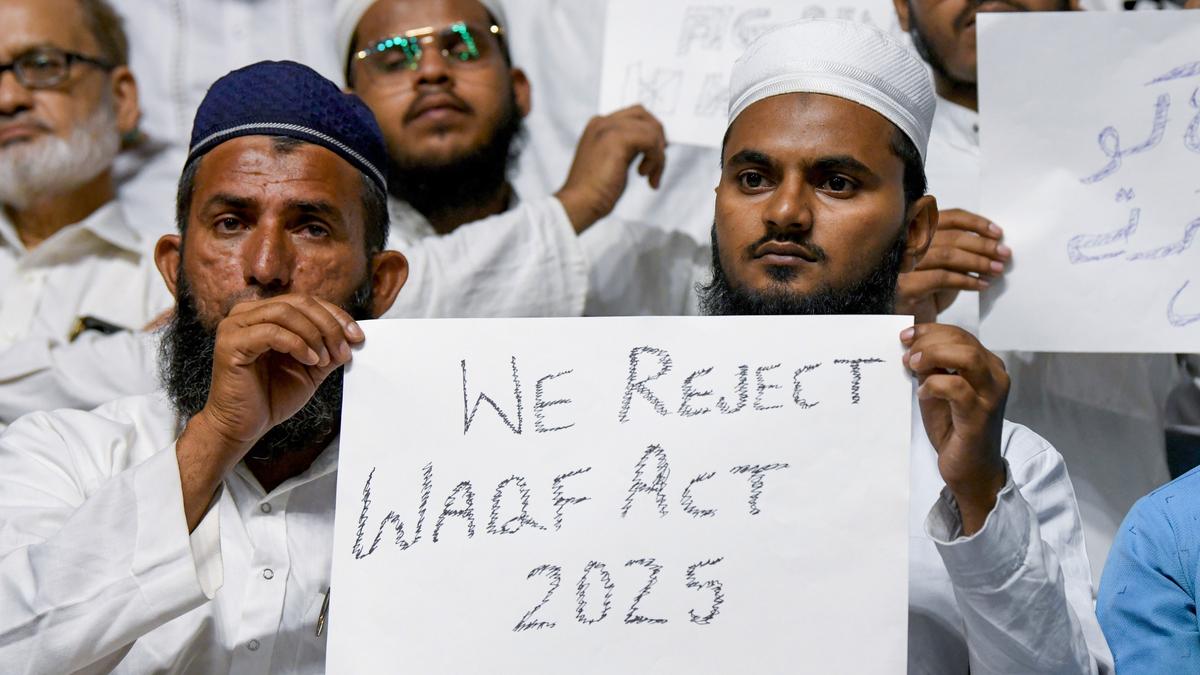
The ruling DMK in Tamil Nadu on Sunday (May 4, 2025) raised doubts over the impartiality of the Joint Parliamentary Committee proceedings on Waqf amendments, hinting that communal banners and interests may have got the upper hand during deliberations on the Bill.
“During the course of deliberations, approximately 95% of the stakeholders who appeared before the committee expressed strong opposition to the Bill. The remaining 5% who supported the Bill did so, representing communal interests or under communal banners, thereby raising concerns about the representativeness and impartiality of the process,” a rejoinder affidavit filed by the DMK, represented by senior advocate P. Wilson and advocates Richardson Wilson, Apoorv Malhotra, Lokesh Krishna and Anuradha Arputham, said.
The DMK said that merely because the Waqf (Amendment) Act, 2025, had been enacted, it wasn’t exempted from constitutional review, especially if it would result in manifesting injustice and deprivation of fundamental rights of persons based on their religious identity.
Also read | Amendments will cripple Waqf Boards and their autonomy, says T.N. CM Stalin
A Special Bench headed by Chief Justice of India Sanjiv Khanna will consider the question of interim stay of the Act on May 5.
The party said that the continuation of the Act, even for a limited period, would permanently alter legal rights and status of properties, causing irreversible consequences. “On the other hand, a temporary stay would merely maintain the status quo ante and ensure that no irreversible prejudice or harm is caused before the constitutionality of the provisions is adjudicated.” the affidavit said.
Kerala’s Indian Union Muslim League (IUML) agreed with the DMK in a separate affidavit on interim stay. Otherwise, it said, “a large number of properties, not limited to mosques, graveyards, orphanages, and schools across the country will be at risk of losing their status as waqf properties, and will be subject to takeover by the Union government”.


Residents of Tambaram express concern over inadequate infrastructure amid rapid urban growth, highlighting traffic, drainage, and waste management issues.

Explore the defining moments and developments of Tamil Nadu's 16th Assembly, marked by political confrontations and administrative innovations.

Kerala CM Pinarayi Vijayan defends his remarks on G. Sudhakaran, labeling him a 'class traitor' amid election tensions.

Social media rumors spark panic buying of petrol in Belagavi, causing long queues and temporary fuel shortages at stations.

Delhi Budget 2026 LIVE: Follow live updates from The Hindu on the Delhi state budget for 2026-27, on March 24, 2026

Shorts News:WatchNetanyahu says Trump sees chance of striking deal with Iran

The facility in New Colony will benefit over 17,000 consumers, say officials

Water pipeline leak causes traffic congestion and waterlogging in Miyapur, Hyderabad, prompting detours and delays for commuters.

VCK exits the DMK-Congress alliance in Puducherry, deciding to contest alone due to dissatisfaction with seat allocation.

Bomb threat email prompts security response at Delhi Assembly ahead of budget presentation amid concerns over Khalistan references.

"Dhurandhar: The Revenge" exemplifies how films propagate a violent nationalism, reshaping Indian identity and undermining democratic values.

BJP’s junior ally in Assam, AGP, gets the same number of seats to contest as last time, but a granular analysis reveals slipping ground

Parliament Budget Session LIVE: Follow The Hindu for the latest updates on the Budget Session on March 24, 2026.