Nuclear energy: fixing the finance | Explained
The Hindu
Nuclear Energy Summit highlights role in climate change, calls for increased capacity by 2050, and addresses financing challenges.
The story so far: On March 21, Brussels hosted the first-ever Nuclear Energy Summit, co-chaired by the Prime Minister of Belgium Alexander De Croo and the Director General of the International Atomic Energy Agency (IAEA) Rafael Mariano Grossi. Several world leaders joined the summit to highlight the role of nuclear energy in addressing climate change.
The UN Climate Change Conference (COP28) in Dubai (UAE) in December 2023 stated the indispensable role of nuclear energy to meet climate goals. The declaration signed by 22 world leaders mentioned the need to triple nuclear energy capacity by 2050. The Nuclear Energy Summit, an initiative in collaboration with the IAEA’s ‘Atoms4Netzero’ programme, is part of the multilateral approach to decarbonisation. Nuclear power emits four times less carbon than solar farms or other renewable sources such as wind, hydropower, and geothermal. Most importantly, nuclear power has the capacity to supply uninterrupted energy irrespective of geographical constraints making it a crucial component of the wider renewable energy mix. Nuclear power plants (NPP) also have low operating costs, smaller land imprint and a longer life cycle compared to all the other renewable energy sources.
Two key motives for the large-scale adoption of nuclear power as the base load energy source are technology and finance. Recent developments in nuclear technology including Small Modular Reactors (SMR), radiation proofing in existing plants, and extended fuel cycles, have the potential to substantially mitigate nuclear-related risks. Signifying the destigmatisation of nuclear energy is the entry of technology startups in an the otherwise government-run industry. The role of technical advancements in reducing carbon emissions is highlighted by an IAEA study, which predicts that while existing technologies will play a significant role, by 2050, half of carbon reductions will come from technologies currently in the prototype stage.
However, in spite of technical advancements, Multilateral Development Banks (MDBs) and private investors have not made any significant contribution to the industry. The World Bank has not provided financing for a nuclear project since its $40 million loan to Italy in 1959. There is a pressing need to reassess nuclear financing policies of MDBS to accommodate private capital or blended finance models.
There are successful financial practices that can be replicated, for instance the cooperative funding models of France, South Korea, Russia, and the U.K. where a group of investors raise credit from the market and take full responsibility for project delivery. In Finland, large power plants have been funded by multiple private companies since the 1970s using a cooperative finance model called ‘Mankala’. Under this model, companies jointly own energy producers and share the costs of building and operating plants. They don’t pay dividends but can buy the energy at a cost based on their ownership share, with investors being wholesalers, retailers, or large industrial firms. Financial creativity and market support with low interest rates can unravel the potential of nuclear energy at scale.
There are 440 nuclear reactors in the world, accounting for a quarter of the world’s low-carbon energy. The number of nuclear reactors is increasing, with 60 reactors under construction and 110 in the planning stage, most being in Asia, particularly China, which is soon to overtake the U.S. and the nuclear giant France. China has set a target to produce 10% of its electricity from nuclear energy by 2035 and 18% by 2060. However, the state of nuclear infrastructure development and finance mobilisation is not proportional. NuScale Power, previously expected to be the first U.S. company licensed to build a 462MW SMR in Utah, terminated its planned project due to rising costs. Nuclear powerhouses Westinghouse and Areva also filed bankruptcy due to project overruns.
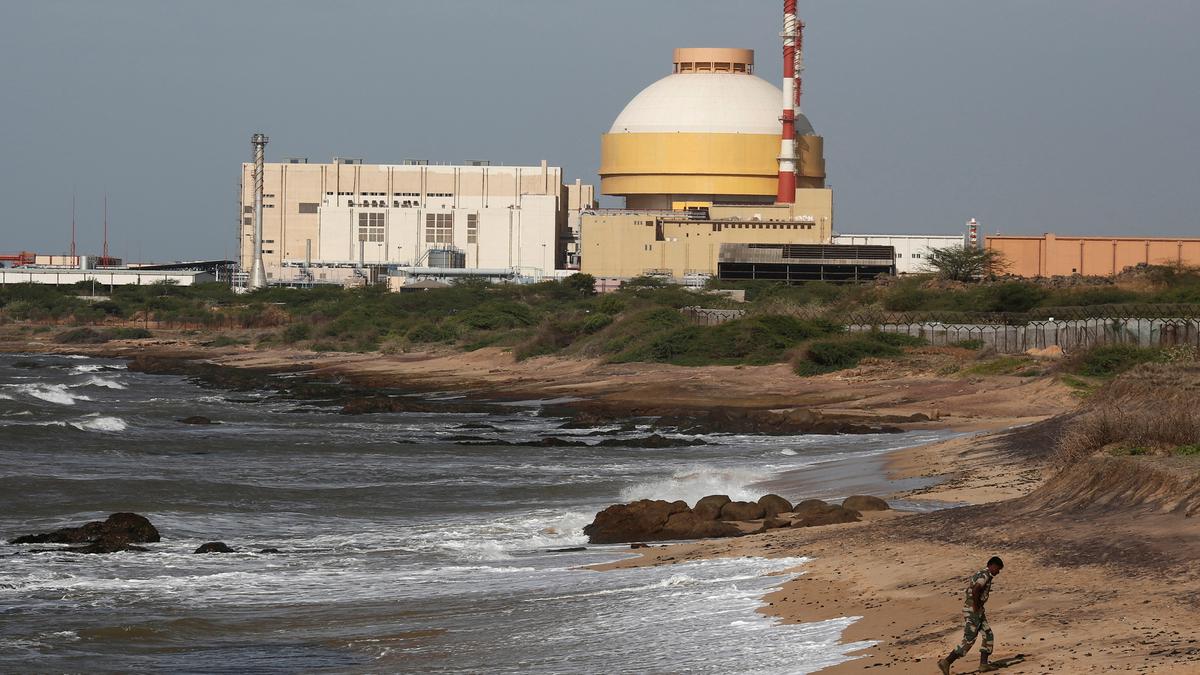
India’s first commercial NPP in Pahalgarh, Tarapur offers reliable energy at 2/kWh lower than solar power tariffs. At Kudankulam, Tamil Nadu, a newer power plant offers electricity in the range of 4-6/kWh comparable to coal-fired thermal power plants. Despite its versatile nature, nuclear power contributes only 1.6% of the total renewable energy mix in India. Stigma, weaponisation risk, radiation leak, regulation, high upfront cost, and long project overruns are the reasons for low adoption rate of nuclear energy.


Shares of Samsung Electronics rose as much as 5% on Tuesday after Nvidia CEO Jensen Huang said the South Korean company was producing Nvidia’s new artificial intelligence chips.

Stock markets rebound after early losses, with Sensex and Nifty rising amid global bullish trends despite notable laggards.

The rupee declines 14 paise to 92.42 against the dollar amid rising crude prices and foreign fund withdrawals.

Dell’s total workforce declined by about 10%, or 11,000 employees, in fiscal 2026, it said on Monday

Nvidia chief Jensen Huang on Monday said the leading artificial intelligence chip maker is heading for space with a goal of powering orbiting data centres.

Meta Platforms shares rose nearly 3% on Monday after a Reuters report that the social media giant plans to lay off 20% or more of its workforce to offset heavy spending

Wholesale price inflation hits 11-month high at 2.13%, driven by rising crude prices and increased costs across various sectors.

Kerala's wellness sector faces uncertainty due to the West Asian crisis, impacting tourism and threatening economic stability.

Experts link Punjab's distress migration to economic stagnation and job mismatches, highlighting systemic failures in political leadership.

India's merchandise exports remain flat in February, with Commerce Secretary warning of a potential dip in March due to trade constraints.

Hard Rock International closes 10 outlets in India, including three cafes in Bengaluru, while Goa hotel remains open.

The booming market for artificial intelligence servers brought Taiwan's Foxconn a 24 percent jump in annual net profit, the company said

In a statement on its website, Adobe said it has in recent years streamlined its sign-up and cancellation processes and made them more transparent.