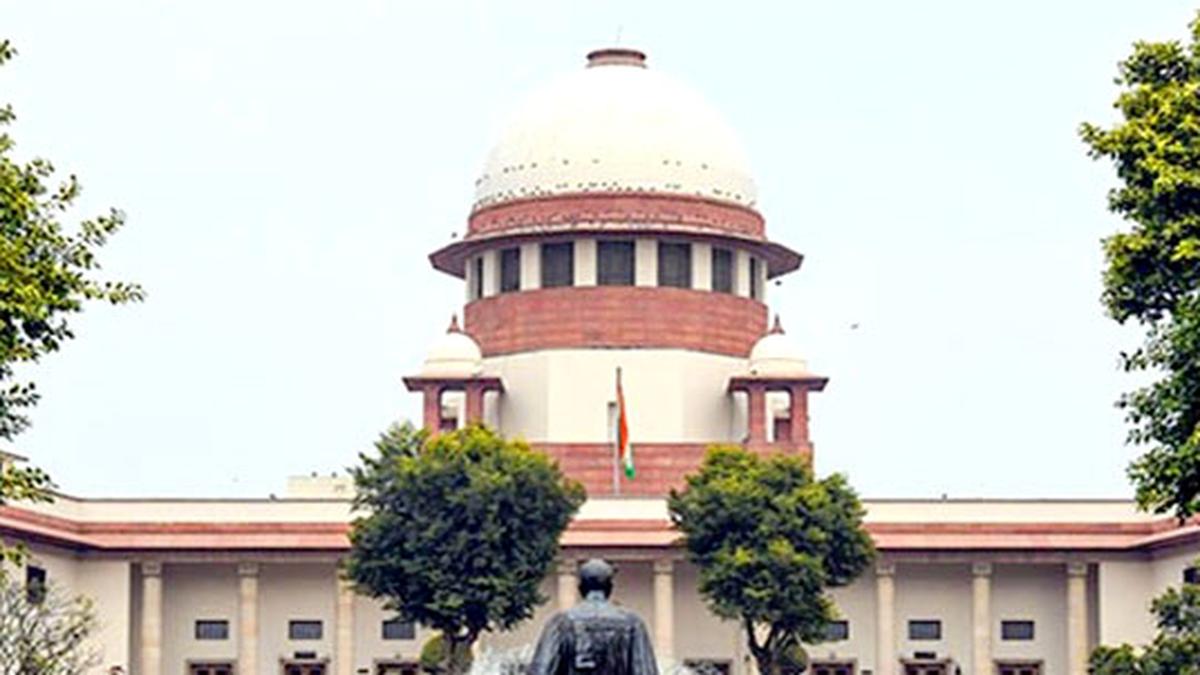
No more adjournment letters in after-notice bail cases: SC
The Hindu
Supreme Court restricts adjournments in bail cases, interim orders, and cases with exemptions, aiming to reduce delays.
Adjournments, denounced as a major factor for pendency, delay in court hearings, and a money-drainer for litigants, is no longer going to be easy in the Supreme Court.
A circular issued by the Supreme Court on Wednesday said it would not entertain letters of adjournment from lawyers in bail and anticipatory bail cases for which notice had been earlier issued by the court.
Letters of adjournment are last-minute requests by parties for postponement of cases listed before a Bench of the court. The letters are filed in the Registry and circulated to the opposing parties. The case, when called for hearing in the day, is usually adjourned if all the parties agree. Usually, they do as a matter of professional courtesy.
The court said such letters seeking adjournment would also not be entertained in cases in which exemption from surrendering has already been granted; cases in which an interim order favouring the party seeking the adjournment is already in operation; and in matters in which suspension of sentence has been sought.
This would mean that the parties must necessarily appear in court in these categories of cases and the Bench would take a decision, in its own discretion, on whether to grant an adjournment.
In other cases, the circular said the request for adjournment of a case could be circulated till a day prior to the publication of the main list of cases. However, the request should contain the specific reason for seeking adjournment and the number of postponements sought earlier in the case.
The circular said a party or counsel can only circulate an adjournment letter once in a case.


Diya Chitale and Manav Thakkar reach semifinals, while Yashaswini Ghorpade upsets top seed Sreeja Akula at National TT Championships.

DYFI criticizes A.P.'s job calendar for failing unemployed youth, demanding a revision to include 1 lakh posts and higher age limits.

‘Lethargic’ officials who left Chambal sanctuary to the mercy of sand miners will be held liable: SC
Supreme Court holds negligent officials accountable for enabling illegal sand mining in Chambal Sanctuary, emphasizing habitat protection laws.

Work on the Srisailam Left Bank Canal tunnel resumes after 13 months, with completion targeted by 2027-end, says Minister Reddy.

Ancient ‘Vanni’ tree at Sri Meenakshi Sundareswarar Temple tilts; steps on to restore it

Bengaluru Metro penalises 14 passengers for disrupting services with loud singing, following a viral clip of their antics.

ASR district plans a 122 km world-class trekking network, enhancing tourism and local employment across Araku, Paderu, and Lambasingi.

Development without impact: Coastal residents of Kanniyakumari and Nagercoil constituencies voice discontent

Environmentalists in Kakinada celebrate World Sparrow Day, urging conservation efforts for sparrows and migratory birds.

T.K. Govindan secures full support from K. Sudhakaran for Kerala Assembly polls 2026 as a UDF-backed Independent candidate.

Karnataka implements weekly reviews and control rooms to combat rural drinking water shortages during the summer months.

BJP leads candidate selection for upcoming bypolls, while Congress faces internal challenges and community pressure in Bagalkot and Davangere.

A man died in a Kolkata hospital lift, prompting accusations of negligence against the West Bengal government and hospital authorities.