Nilgiris’ iconic eucalyptus oil industry on the brink of collapse
The Hindu
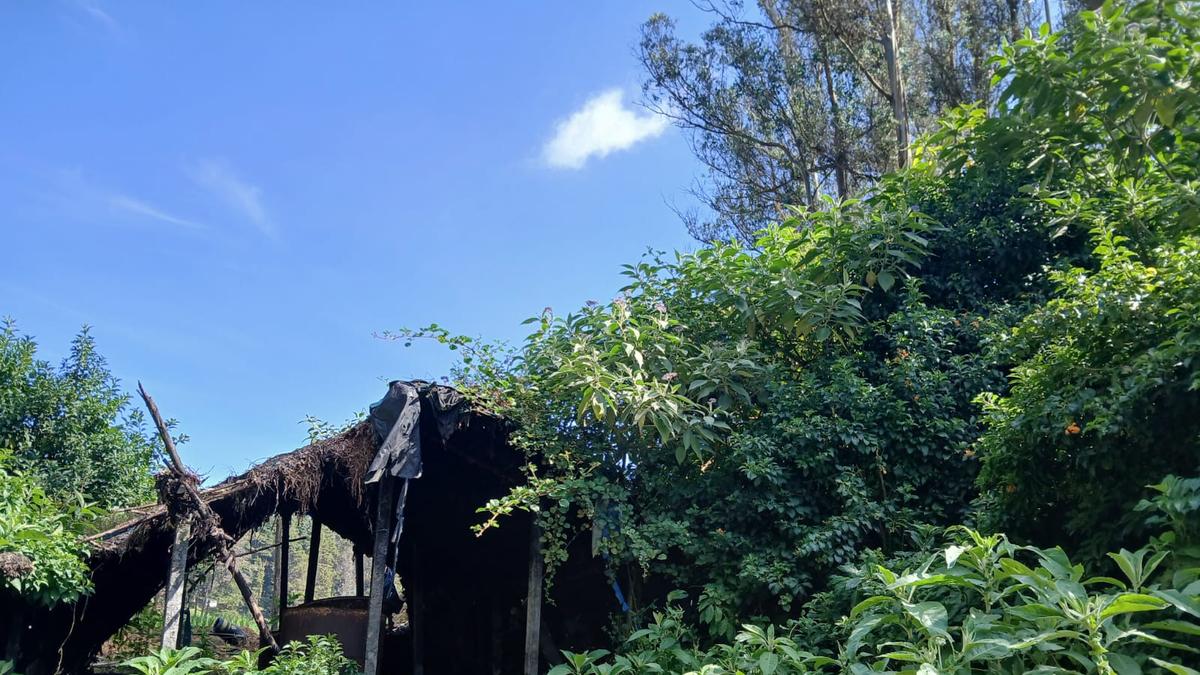
The Nilgiris’ world-famous eucalyptus oil industry, which is almost as iconic as its homemade chocolates, tea, and varkey, is on the verge of collapse. From numbering over 500 eucalyptus-producing sheds over a decade ago, less than 20 are currently operational across the district due to climate change affecting eucalyptus trees and cheaper, synthetic oils flooding the market. This is impacting the livelihoods of thousands of people dependent on the industry.
The Nilgiris’ world-famous eucalyptus oil industry, which is almost as iconic as its homemade chocolates, tea, and varkey, is on the verge of collapse. From numbering over 500 eucalyptus-producing sheds over a decade ago, less than 20 are currently operational across the district due to climate change affecting eucalyptus trees and cheaper, synthetic oils flooding the market. This is impacting the livelihoods of thousands of people dependent on the industry.
A.K. Shankaranarayanan, who has been working in eucalyptus oil sheds for over 25 years, said that in Udhagamandalam and surrounding areas alone, the number of sheds manufacturing the oil has come down from more than 50 a few years ago to less than five currently.
“One of the reasons is that the eucalyptus trees have become diseased, and the leaves are not fit for manufacturing the oils,” he said.
M. Mohan, the owner of a shed near Khandal in Udhagamandalam, said that around five years ago, the leaves of eucalyptus trees started withering and the trees themselves started dying. “We used to operate four sheds, but now we operate only one. Moreover, more than a 100 people used to supply leaves to us; barely four or five people still go to collect the leaves now,” he told The Hindu.
M. Madhu, 60, a former worker who used to collect leaves from near the Old Gudalur Road, said she received ₹10 per kilogram of leaves collected. “We used to be able to collect the dried leaves quite easily, but now, it is a laborious task which requires us to walk long distances. And so, most of us have given up the work,” she said. Previously, people collecting eucalyptus leaves were a common sight near forested areas in the Nilgiris, but most people have switched to other jobs due to the crisis the industry was facing, she added.
Godwin Vasanth Bosco, a restoration ecologist from the Nilgiris, said that he believes that climate change had severely affected the health of the trees. “It is not just eucalyptus, but even wattle and native Sholas,” he said, adding that he suspects that climate change was compromising the health and immunity of the trees, weakening them, making them more susceptible to disease and more likely to fall and be affected by fire.
Another shed owner, S. Sidharthan, from Pudumund, said that he estimates that eucalyptus oil production in the Nilgiris now only totals around 1,000 litres a week. “But thousands of shops continue to sell eucalyptus oil, which is mostly adulterated,” he alleged.


NCC cadets participated in a community development walkathon and awareness skit, organised by Ramaiah University and sponsored by 40 Karnataka Battalion.

Join a free webinar on March 20 exploring patient-centric, tech-enabled TB care ahead of World Tuberculosis Day.

Gold worth ₹2.5 crore seized in Nilgiris due to lack of documentation during transport to private jewellery stores.

Explore the inspiring journey of Geetha Kannan, a national-level Paralympic swimmer and junior cooperative auditor, overcoming challenges with resilience.

BJP's Dilip Ghosh claims Mamata Banerjee is trapped in Bhabanipur, facing tough election challenges from Suvendu Adhikari.

DMK MP R. Girirajan petitions Madras High Court for ED to investigate AIADMK leaders for money laundering linked to corruption cases.

V.D. Satheesan urges the Election Commission to remove LDF government hoardings, citing violations of the Model Code of Conduct.

Featuring Sanjay Dutt and Nora, the Kannada original version of the song, titled ‘Sarse Ninna Seraga Sarse’, was slammed for its “oscene” lyrics by fans and people from film fraternity on social media

Supreme Court questions West Bengal's claim that ED lacks rights to challenge obstruction during I-PAC raids by Chief Minister.

Madras High Court bans unauthorized Dhurandhar merchandise sales on major platforms and orders ISPs to block pirated content.

Ex-AAP councillor Tahir Hussain seeks one-month interim bail on medical grounds to undergo surgery related to a hernia.

BJP leader Dilip Ghosh aims to secure over 1 lakh votes, promising a victory margin greater than in 2016 elections.

IUML faces internal dissent as leaders criticize candidate selections, claiming deserving voices are overlooked in Kerala Assembly polls.