Measles Cases Could Cost the U.S. Its Elimination Status. Here's What That Means.
HuffPost
Losing the status is a far bigger deal than most people likely know, and getting it back is no fast or easy feat.
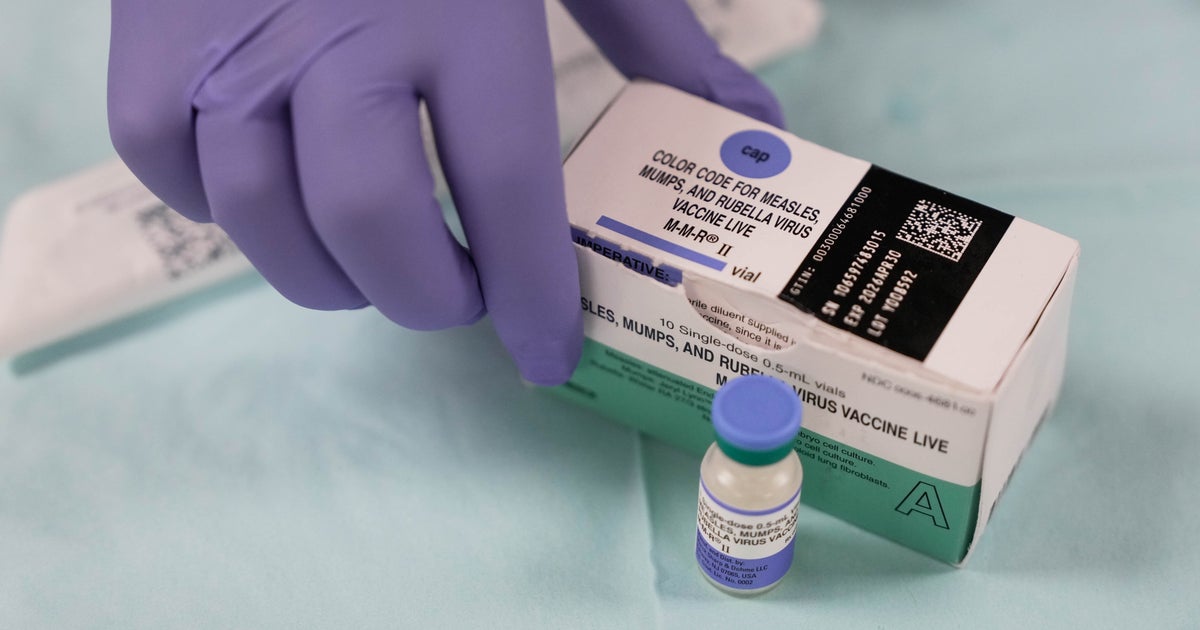
The U.S. has reported more measles cases in the first half of this year than in any full year since 1992, raising concerns that the country could lose its measles elimination status and undo a 25-year public health victory amid declining vaccine rates.
But exactly what does that risk mean and how close is it to really happening?
The World Health Organization sets the criteria for elimination status, requiring a country — or defined geographical area — to go at least 12 months without continuous domestic transmission of a virus. That means any new outbreaks during that time must come from people who contracted the virus from outside, not inside, the U.S.
Under that criteria, the U.S. has until January to eliminate the nation’s current outbreaks, which is a year after cases started domestically in Texas, according to epidemiology experts. If it doesn’t, the U.S.’s measles elimination status could be taken away.
“It could be more impactful than a lot of Americans think about since we have had measles elimination status for so long,” Brittany Kmush, associate professor and graduate director of Syracuse University’s Public Health Department, told HuffPost.


When asked about President Trump's latest threat to Iran, Secretary Scott Bessent had a chilling answer.

The possibility of an American ground operation in Iran is growing, but one service member familiar with troops in the region told HuffPost the prospect would be "an absolute disaster."

Brazilian soccer player Jorginho accused one of the singer's security guards of being "extremely aggressive" toward his family at a São Paulo hotel.

Brazilian soccer player Jorginho accused one of the singer's security guards of being "extremely aggressive" toward his family at a São Paulo hotel.

The possibility of an American ground operation in Iran is growing, but one service member familiar with troops in the region told HuffPost the prospect would be "an absolute disaster."

President Donald Trump took the United States to war without a vote of support from Congress.

President Donald Trump on Saturday wrote on social media, "Robert Mueller just died. Good, I'm glad he's dead."

Stephanie Ruhle said after weeks of trying to get President Donald Trump on the phone, he finally picked up and sniped at her.

"Robert Mueller just died," Trump posted on Truth Social. "Good, I’m glad he’s dead. He can no longer hurt innocent people!"

Long before the Mueller report, Robert Mueller served as a Marine in Vietnam, prosecuted John Gotti and overhauled the FBI.

The lawyer served as special counsel overseeing the investigation into Russian interference in the 2016 election.

Gov. Josh Green said the cost of the storm could top $1 billion, including damage to airports, schools, roads, people's homes and a Maui hospital in Kula.

“What they're doing in trying to affect and buy an election by coming in and spending $10 million at the last minute — all it did was turn voters against them,” Sen. Tammy Duckworth told HuffPost.