Let her cook Premium
The Hindu
Gender Agenda newsletter | Let her cook
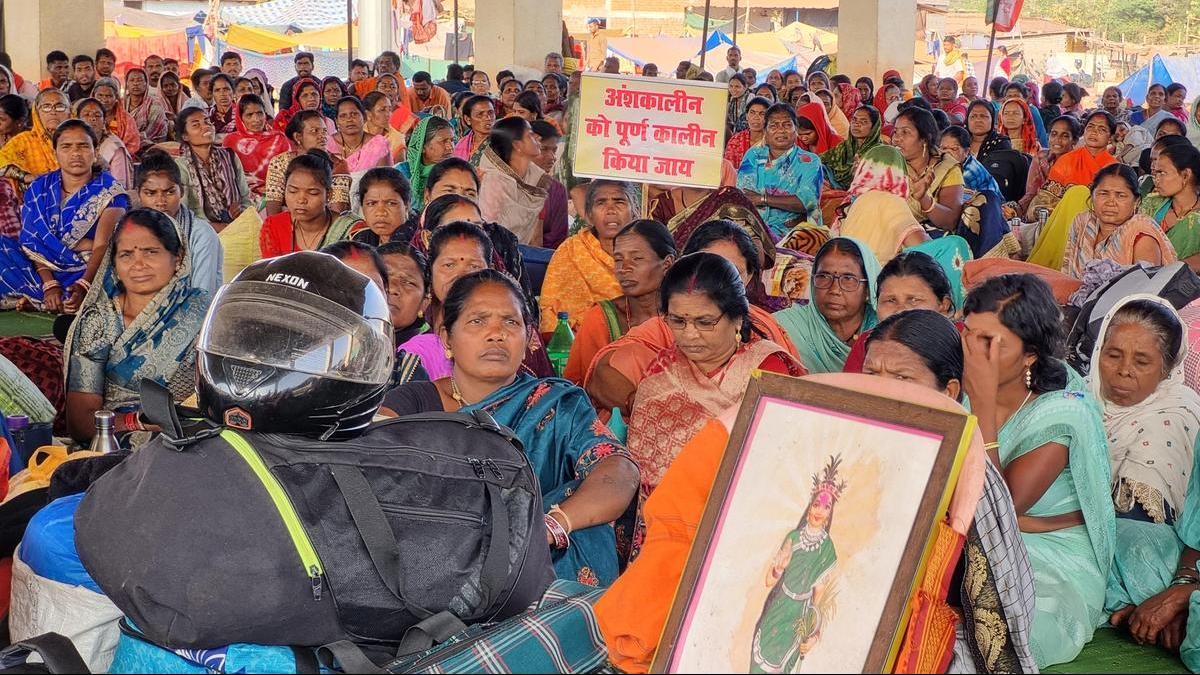
Reporter Shubhomoy Sikdar, who was in Chhattisgarh’s Naya Raipur covering the 47-day strike by mid-day meal workers in the State on February 13, describes most women’s routine.
“She [Manikpuri, one of the workers] and two other cooks unlock the school gates, open all the rooms and clean them,” he writes. “Depending on the number of children in school that day, the cooks go to the women’s self-help-group-run stores to collect rations. They clean the rice and chop the vegetables, cook the food, and have it ready 10 minutes before lunch time at 1:30 p.m. They serve the children food and then clean up. By the time she comes home, it is 3:30 p.m., and she must cook again. The children are hungry and her husband will be home soon.”
The mid-day meal scheme was first introduced in 1925, for disadvantaged children in the Madras Municipal Corporation. Since then, 95% of the workforce of the scheme, now called PM-POSHAN, have been women. From the article, it is evident that the strike is a feminist movement. At its core are thousands of women, many from rural and tribal backgrounds, demanding fair compensation for work that sustains the daily nutrition of school children. These cooks, who prepare hot meals for millions of children in the State, are paid a paltry ₹66 per day. In this economy?
Arguing that this strike is for compensation alone would be reductionist. In India’s socio-economic hierarchy, care work and food preparation have conventionally been assigned to women. That these women, essential to one of the nation’s largest nutrition programmes, earn so little reflects a broader pattern of gendered labour injustice.
Quickly, the gaps between policy and reality come through, making the injustice clear. Although the mid-day meal scheme is intended to provide nutritious meals and keep children in school, the implementation has faltered. Funding remains inadequate and many schools struggle with delays in food ingredient deliveries and poor kitchen infrastructure. Added to this are structural injustices including caste and class. Discriminatory practices, such as separate seating arrangements, denial of meals, or serving meals based on caste have been reported across the country, breaching the principles of equality and inclusion, reports this article.
These cooks are asserting that their dignity is essential in challenging a system that assigns them responsibility without rights, labour without adequate compensation, and visibility without respect. Their strike signals that women’s work, especially in public welfare systems, matters and deserves equitable recognition.


Restricted access on Day 1 of India AI Impact Summit; expo opens to all from February 17 with international pavilions.

A friend reflects on Saketh's final days, revealing signs of distress before his tragic death in California.

Congress MP Manickam Tagore criticizes DMK for corruption blame, deepening rifts in their alliance during a Madurai meeting.

Tension escalates in Pune as FIR filed against Congress leader amid Tipu Sultan controversy, leading to stone-throwing incidents.

M.K. Stalin announces a three-day celebration for Vallalar's birth anniversary and a research center in Chennai.

Two residents of Kota in Uduipi district have allegedly lost over Rs. 3 lakh to cyber fraudsters.

Tense elections for mayors and municipal chairpersons in Telangana as parties strategize amid uncertainties in local bodies.

Raipur police arrest six for orchestrating a cheating scheme in the GATE examination using electronic devices.

Intense competition for mayoral control in Karimnagar and Nizamabad heats up as independent candidates hold the key to victory.

Mullaperiyar dam's water level is 119.60 feet, with inflow at 34 cusecs and discharge at 644 cusecs.

Kerala experiences a significant decline in monsoon rainfall, raising concerns over climate change impacts and water resource management.

KSRTC increases luggage fares by 15%, effective February 16, aligning with the 2025 bus fare hike.

Palaniswami denies Stalin's 'slave' accusation, asserting AIADMK's independence and criticizing DMK's reliance on Congress and governance issues.