Leaders call for DGCA intervention for setting up organised infra for drones
The Hindu
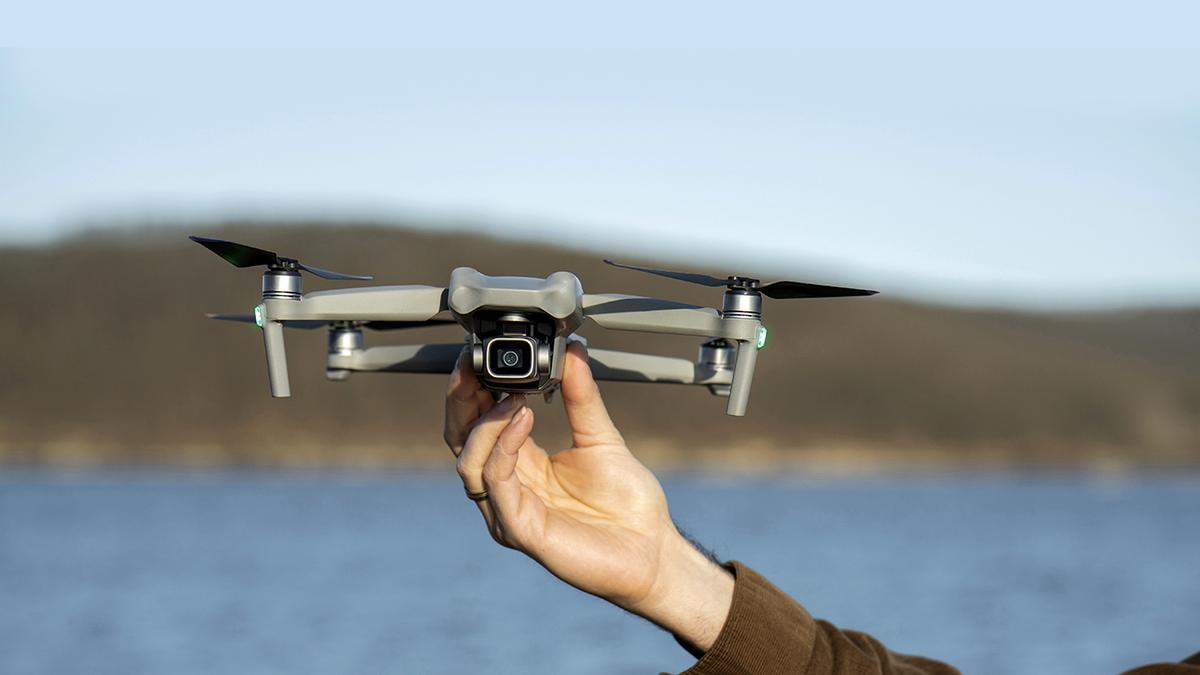
The need for infrastructure for drone training and regulations in India's growing drone industry highlighted by experts at a round-table held as part of Wings India 2024 at Begumpet Airport, Hyderabad.
The need for a systematic intervention by the Directorate General of Civil Aviation (DGCA) to create infrastructure for drone training was stressed at a round-table, headed by Rajiv Bansal, CEO of National Institute of Smart Government and former secretary to the Ministry of Civil Aviation, Government of India, and with participation from various drone manufacturing and technology companies. The panel plans to put forth this proposal to the DGCA.
“This includes not just drone highways or airstrips but also airspace free from manned traffic and advanced conditions for beyond visual line of sight (BVLOS) drone operations, inspired by global practice,” said Chirag Sharma, CEO of Drone Destination.
With over 200 startups, the sector is set to see a significant demand for drones for commercial and private purposes in the civilian sector. Wings India 2024 at the Begumpet Airport in Hyderabad also saw experts from the industry talk about cutting-edge drone technologies in revolutionising the aviation landscape.
Citing the example of Singapore, Tan Kah Han, CEO and senior director for Unnamed Systems Group, Civil Aviation Authority of Singapore (CAAS), said there is a need for standard-setting authorities for quality assurance (airworthiness) and certification of the latest drone technologies.
Mr. Han said that the country is in the final stage of scripting requirements for the Unmanned Aircraft System Traffic Management (UTM) system, and exploring how UTM and ATM (Air Traffic Management) will be connected.
Drones are currently used in the areas of emergency medicine, precision agriculture and surveillance among others. Experts opined drones in the agriculture domain are going to be a mainstay, while areas like cargo, especially last-mile delivery, will emerge as a major application in the days to come. This would also mean larger, autonomous drones with BVLOS capabilities, the regulations for which are not ready.
Traffic management, cybersecurity concerns and battery management continue to remain challenges for the drone industry to scale its operations and applications, explained Sudheer Kumar, CEO of software development and consulting services company Siri AB.


First randomisation of EVMs and VVPATs for Tiruchi and Perambalur districts completed with political party representatives present.

Puducherry elections see ongoing DMK-Congress rift over seat-sharing, leading to candidate conflicts on nomination day.

Einstein College and Sri Sarada College in Tirunelveli celebrated significant events, honoring academic excellence and cultural heritage.

Priyanka Gandhi criticises PM Modi's West Asia remarks, urging for a comprehensive Parliament discussion on the matter.

Learn who can vote by postal ballot in the upcoming Tamil Nadu Assembly election, including seniors and persons with disabilities.

Decomposed body of a missing 25-year-old man discovered in Dindigul stone quarry, prompting calls for investigation and quarry closure.

SVEEP activities launched in The Nilgiris aim to boost voter turnout at 13 polling booths with low participation rates.

Learn who can vote by postal ballot in the upcoming Tamil Nadu Assembly election, including seniors and persons with disabilities.

Shorts News:Watch: UDF linked to communal forces in Kerala: CPI(M) leader A Vijayaraghavan

Karnataka government postpones Deendayal Upadhyaya event at KSOU Mysuru due to protocol violations and lack of government involvement.

Sameer Wankhede denies bribery allegations involving Shah Rukh Khan’s son in drugs case during Bombay High Court proceedings.

What does it take to design gloves, masks and uniform that factor in the various challenges faced by workers on the waste beat? Indore, Bengaluru and Pune have an answer

Gaurav Gogoi files nomination for Jorhat Assembly seat, marking his electoral debut in the upcoming Assam elections.