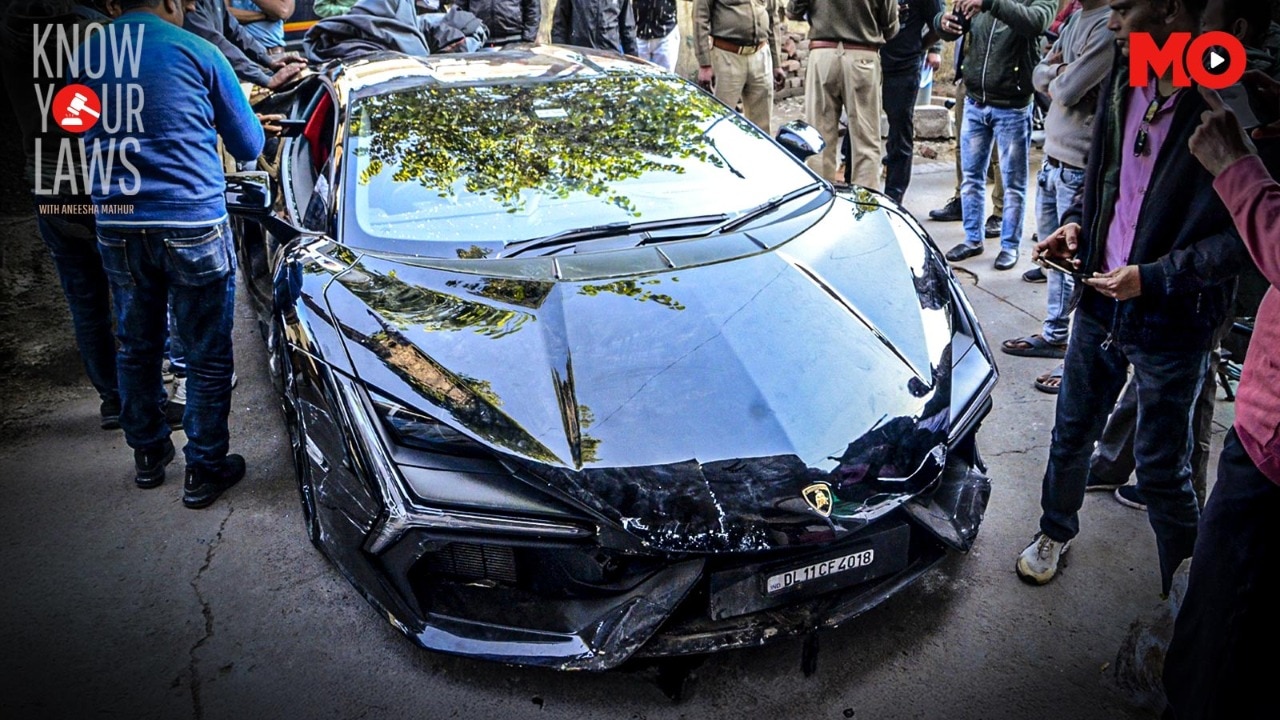
Know Your Laws: Why Kanpur Lamborghini crash accused was granted bail
India Today
A closer reading of the bail order in the Kanpur Lamborghini hit-and-run case tells a more complex story, one that shines a harsh light not only on privilege and perception, but on police procedure, statutory safeguards, and the uneasy balance between liberty and accountability.
The country has been gripped by outrage over the Kanpur Lamborghini hit-and-run case. Six people were injured. The accused allegedly “disappeared” after the incident. Social media is rife with speculation: Was bail granted because of influence? Did the clout of a wealthy tobacco baron father tilt the scales?
Public anger is understandable. But a closer reading of the bail order tells a more complex story, one that shines a harsh light not only on privilege and perception, but on police procedure, statutory safeguards, and the uneasy balance between liberty and accountability.
First, the law invoked in the FIR matters. The accused in the Kanpur case has been booked under provisions that carry relatively modest punishments:
Section 281 – Rash driving or riding on a public way endangering human life (maximum 6 months).
Section 125(a) – Act endangering life or personal safety causing hurt (maximum 6 months).
Section 125(b) – Act endangering life or personal safety causing grievous hurt (maximum 3 years).


Oil tanker Aqua Titan carrying Russian crude arrives in Mangaluru port; was initially heading to China

The FIR was lodged at the Ranjit Avenue Police Station in Amritsar following a complaint filed by the deceased's wife, Upinder Kaur, who accused the trio of sustained harassment, physical assault, mental torture and coercion that allegedly drove her husband to take his own life.

Kollam Additional District and Sessions judge P N Vinod sentenced G Sandeep to a total of 30 years for various offences under the then Indian Penal Code (IPC) and said that after he serves that period, his life imprisonment for Das' murder will commence.

A new policy at Air India could directly impact cabin crew rosters and salaries, linking fitness levels to employment status, as the airline moves to enforce stricter health standards from May 1.

A chance sighting exposed a disturbing plot involving forged identities, minors and alleged grooming in Gujarat. Police action followed swiftly, but one accused remains at large as deeper details emerge.

Following a complaint by the child's parents, an FIR was registered under relevant Sections of the Bharatiya Nyaya Sanhita (BNS) and the Protection of Children from Sexual Offences (POCSO) Act at Sector 53 police station on February 4.

Police officials said that none of the victims were wearing helmets at the time of the accident, which may have contributed to the severity of the casualties.


Airlines to maintain fair pricing: Goverment withdraws temporary domestic air fare caps citing stabilised ops

The proposed law, drafted in consultation with the Sant Samaj and legal experts, will impose heavy fines, property confiscation, and cover offences through digital content, Bhagwant Mann said.

Addressing reporters, Himachal Chief Minister Sukhvinder Singh Sukhu, however, clarified that the measure is temporary and assured that the deferred amounts would be returned once the financial situation improves.

Mumbai Crime Branch and UP STF have arrested the 14th accused, Pradeep Sharma alias Golu, from Agra in connection with the firing at Rohit Shetty's residence.