Know your laws: How kids' crimes expose chinks in legal system
India Today
According to National Crime Records Bureau (NCRB) data, juveniles were involved in 31,365 crimes in 2023. That year, 40,036 children were arrested—nearly 79 percent of them between 16 and 18 years old.
Two recent cases have forced India to confront an uncomfortable reality about juvenile crime—and how the justice system responds to it.
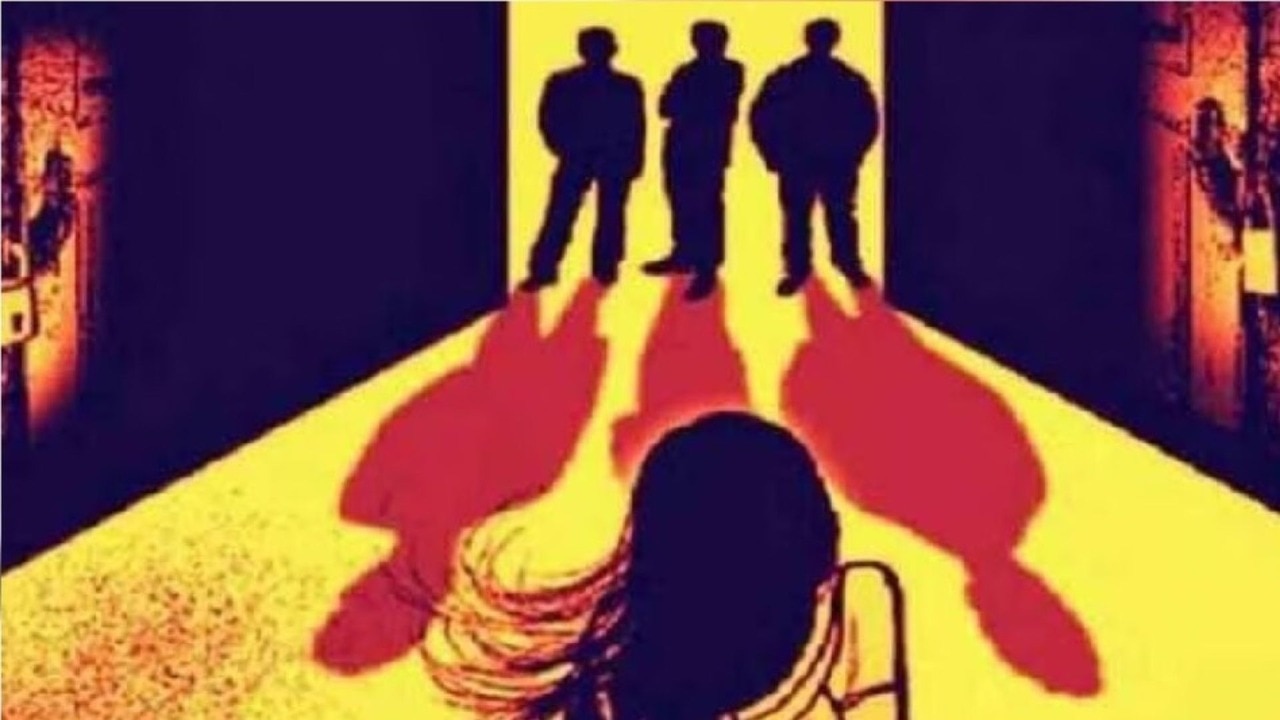
In one case, a six-year-old girl was raped by three boys aged between 10 and 15. Her father publicly demanded that the accused be punished as adults. In another, a 17-year-old accused in the 2024 Pune Porsche crash—where two people were killed due to reckless driving—was granted bail.
The court asked the minor to write an essay reflecting on his actions, a direction that triggered nationwide outrage. The anger deepened when bail was also granted to the parents of co-accused minors.
Public fury followed swiftly. But outrage, however understandable, rarely leads to better justice.
These cases raise a larger and more difficult question: how does India actually deal with children who commit crimes? The answer lies not in the absence of laws, but in the growing gap between what the law promises and how it is carried out on the ground.
According to National Crime Records Bureau (NCRB) data, juveniles were involved in 31,365 crimes in 2023. That year, 40,036 children were arrested—nearly 79 percent of them between 16 and 18 years old.


Prime Minister Modi has been constantly in touch with several leaders of the Middle East countries and other world leaders discussing the ongoing conflict as the military hostilities between the US – Israel and Iran get more intense every day.

Baksa district judge Sharmila Bhuyan has been appointed to preside over the fast-track court, to conduct day-to-day trial proceedings in Zubeen Garg's death.

Hospital Superintendent Deepika Singhal said that before police involvement, a resolution was reached between the driver, the affected woman, and her family, resulting in no further action.

Police said the murder was planned after Darbar discovered that his wife Dharmiba was having an affair with Bhanabhai Majirana, who also lived in the same village.

Analysis by India Today's OSINT team shows that at least 24 to 29 LPG tankers, carrying volumes similar to Shivalik, are still required to meet monthly demand. Yet, in the last two weeks of the West Asia conflict, only two such vessels have arrived.

A growing rift inside Congress over the West Asia conflict reveals sharp differences on India's foreign policy, with senior leaders backing the government even as the party leadership questions New Delhi's moral and strategic stance.

A sudden raid in Uttar Pradesh uncovers a startling gap between official LPG stock and ground reality, raising questions over supply, black marketing and the real reason behind long queues outside gas agencies.

The Supreme Court said the snake venom case against YouTuber Elvish Yadav cannot be sustained in law as the complaint under the Wildlife (Protection) Act was not filed by an authorised person.

A total of 1,013 LPG cylinders have been confiscated so far during 214 raids carried out to prevent illegal use of domestic cooking gas for commercial purposes. Raipur alone accounted for 392 seized cylinders.

After a violent farmhouse attack in Gujarat where police initially fled, authorities arrested 18 accused and publicly paraded them, triggering debate over law enforcement methods and accountability.


Backing the Modi government for its strategic silence on the Middle East conflict, Tharoor argued against "moral grandstanding". He said restraint protects national interests and keeps channels of communication open.

A BJP felicitation event in Uttar Pradesh's Maharajganj turned chaotic when a woman stormed the venue, accusing a party functionary of cheating her of lakhs. What followed shocked those present.