Indonesia tightens control on nickel as the US and China scramble for critical minerals
ABC News
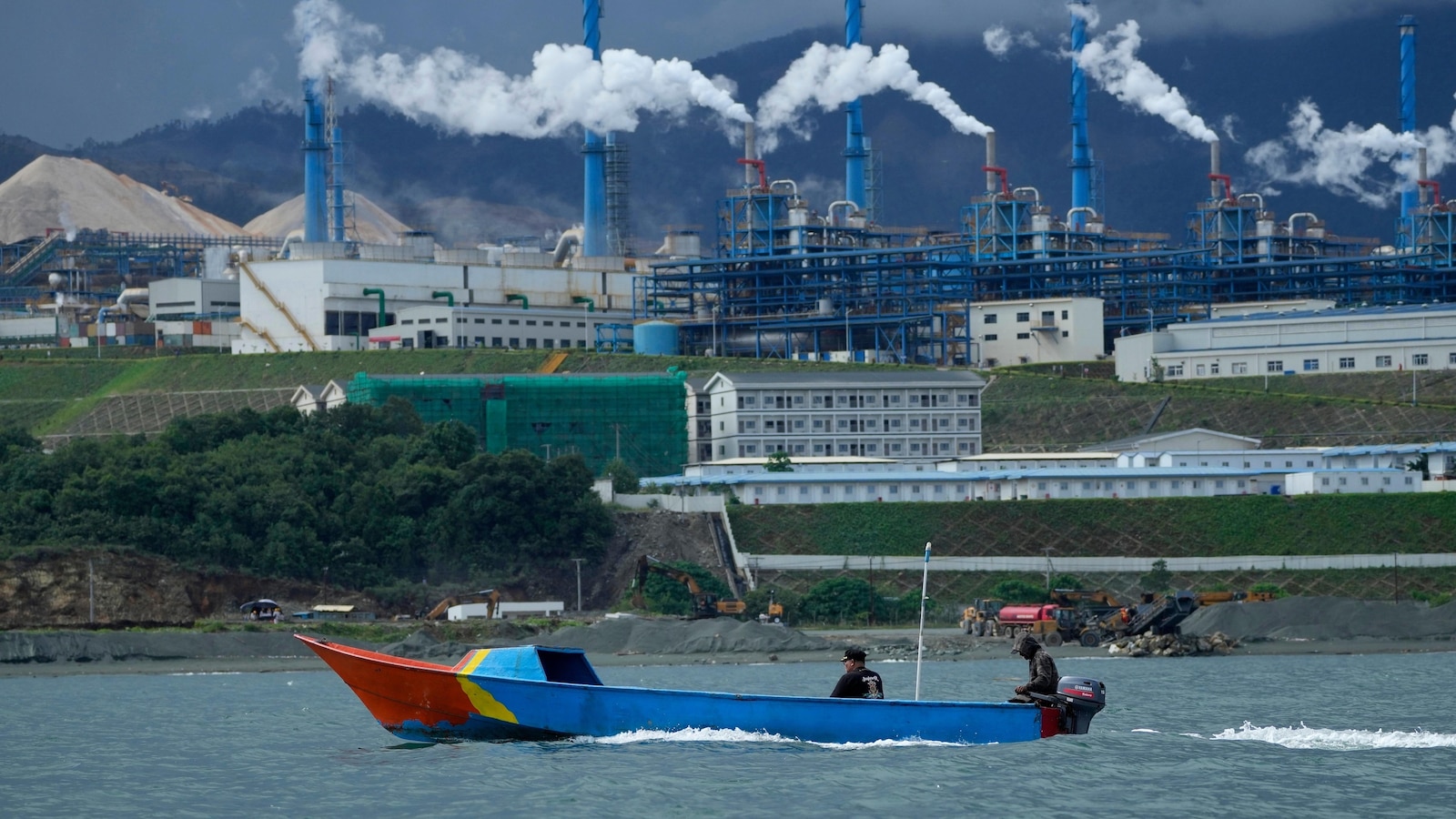
Indonesia is tightening state control over its globally important nickel industry after years of betting that the metal would anchor a homegrown electric-vehicle industry
HANOI, Vietnam -- Indonesia is tightening state control over the world’s largest nickel supply after years of betting the metal would anchor a homegrown electric-vehicle industry, and just as global demand begins shifting away from heavy reliance on nickel.
The move could still ripple through global EV supply chains as the United States and China compete for critical minerals. Indonesia sits at the center of the nickel market: its share of global supply jumped to about 60% in 2024 from 31.5% in 2020, according to S&P Global Market Intelligence, after former President Joko Widodo banned raw ore exports, drawing a surge of Chinese-backed investment into refining.
Jakarta hoped that control over nickel would underpin a fully domestic EV industry, from mining and batteries to finished cars. Experts say that promise was used to justify forest clearing and mining expansion in the name of the energy transition, even as climate risks deepened.
In 2025, Indonesia cracked down on what it called illegal exploitation of natural resources, saying many mining and plantation licenses were tainted by bribery or never properly approved. Authorities say they have seized more than 4 million hectares (9.8 million acres) of mines, palm oil plantations and processing sites, levied $1.7 billion in fines, and could seize another 4.5 million hectares this year.
But analysts warn the crackdown is coming just as nickel’s payoff is starting to fade, with many Chinese EVs shifting to battery chemistries that use far less of the metal, relying instead on iron-based designs.


Another opposition Conservative lawmaker in Canada has defected to Prime Minister Mark Carney’s governing Liberals

British police forces are working together to assess potential crimes revealed in documents from the U.S. Justice Department’s investigation into the convicted sex offender Jeffrey Epstein

Gabon has suspended access to social media and digital platforms throughout the central African nation until further notice as critics accuse the country’s leader of crackdown on dissent

Greece is working with Germany, the Netherlands, Austria and Denmark to set up deportation hubs outside the European Union for migrants denied asylum

Bulgarian President Iliana Yotova has appointed a caretaker government ahead of snap parliamentary elections in April

Paris prosecutors have opened two new investigations tied to Jeffrey Epstein, and they call on possible victims in France to come forward

Australia’s government has banned an Australian with alleged ties to the militant Islamic State group from returning from a detention camp in Syria

Japan has reported its exports surged nearly 17% in January from a year earlier, on strong shipments to China and other Asian markets

Indonesia is tightening state control over its globally important nickel industry after years of betting that the metal would anchor a homegrown electric-vehicle industry

Japanese Prime Minister Sanae Takaichi last week won a landslide election that gave her a strong public mandate

Peru’s Congress has voted to remove interim President José Jerí from office as he faces corruption allegations

Peru's Congress votes to remove interim President José Jerí as prosecutors look into corruption allegations against him

Peru’s Congress is moving to remove interim President José Jerí after prosecutors opened a preliminary corruption probe over unreported meetings with two Chinese businessmen