In loss and survival Premium
The Hindu
Health Matters newsletter: In loss and survival
On surveillance and survival in public health, the promises and pitfalls of AI in medicine, rising infectious, brain health research and more
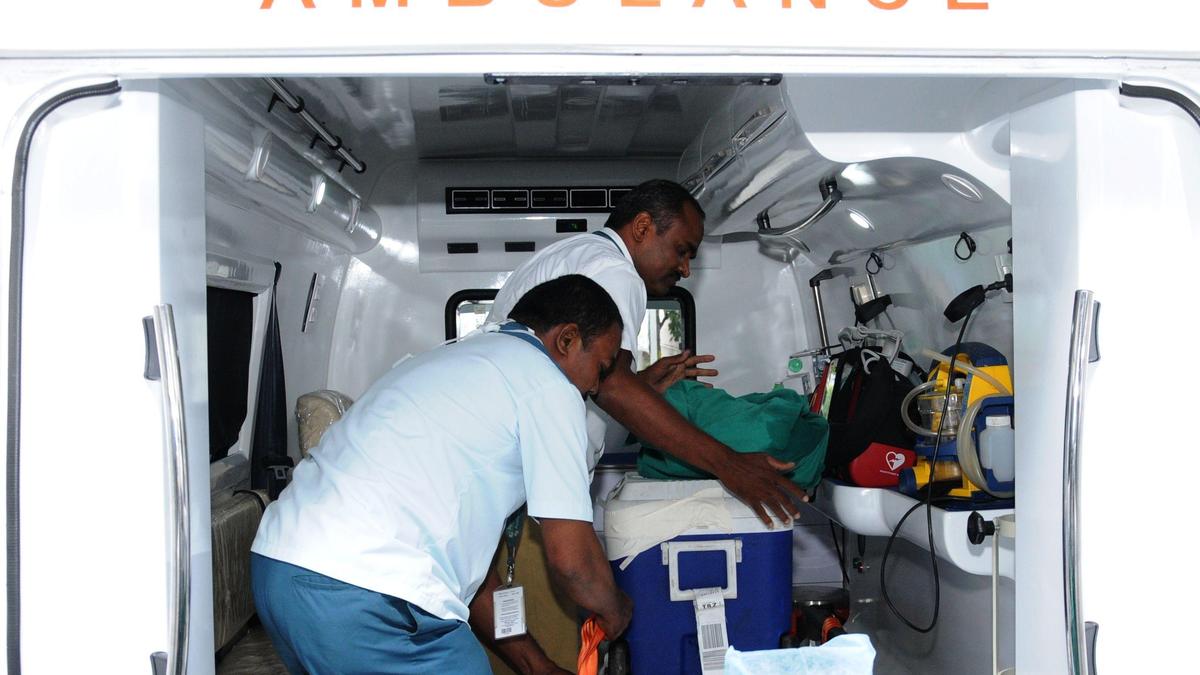
This week did not bring any sweeping policy announcements, but it opened with two quiet reminders of what public health work often looks like. A Nipah death in West Bengal reported by Shrabana Chatterjee reinforced the importance of continued surveillance, rapid response and careful contact tracing to contain zoonotic outbreaks. And In Kerala, 10-month-old Aalin Sherin Abraham became the State’s youngest organ donor, saving four lives, while Serena Josephine M. covered Tamil Nadu’s record month in deceased organ donations, together highlighting how coordinated systems, in crisis and in care, sustain survival.
Much of the week’s deeper analysis also turned to another force in healthcare: technology and its expanding presence in everyday medical decisions. An excerpt from one of the reports captured this: “I started coughing recently, and ChatGPT told me it could possibly be metastasis to my lungs,” a patient told his doctor, meaning the cancer had spread. He said he needed to write a will. It turned out his lungs were fine, he had recently started smoking. The piece examined how AI-powered apps and bots are entering medicine, raising difficult questions about safety, responsibility and accountability when algorithms begin to influence clinical judgement.
Another analysis warned that AI chatbots can give unreliable health advice, opening with a pointed line: the next time you consider consulting “Dr ChatGPT”, perhaps think again. The concern is not merely occasional factual slips, but how confidently delivered misinformation can heighten fear, distort risk perception and complicate doctor-patient interactions.
At the same time, the week’s coverage resisted easy binaries. Fabian Rodrigues reported on how AI tools could help Indians better understand their health information, potentially strengthening awareness and engagement, while Dr. Dinesh Arab argued that electronic medical records may prove to be this century’s most significant medical advancement, improving continuity of care and data-driven decisions.
If technology formed one strand, infectious diseases formed another. Divya Gandhi reported on Ukraine’s battle against rabies. Closer home, a health department team was deployed in a Haryana village after four deaths due to hepatitis B. In Tamil Nadu, the Health Minister warned against consuming half-boiled eggs and undercooked chicken amid avian flu concerns. Bindu Shajan Perappadan wrote that shorter, all-oral TB regimens have been found cost-effective in India, according to an ICMR study, while Biological E. received WHO phase II nod for a novel oral polio vaccine. Anu Raghunathan examined antimicrobial resistance and India’s drug policy. Another study found that people living with obesity are 70% more likely to be hospitalised or die from infectious diseases.


Tamil Nadu's Interim Budget integrates wise sayings and poetry, emphasizing socio-political values and the DMK government's principles.

Mettur Dam's water level is 89.80 feet, with an inflow of 220 cusecs and discharge of 2,500 cusecs.

Experience the vibrant energy of Machattu Mamangam, where tradition, community spirit, and breathtaking performances come alive in Thrissur.

Bill Gates praises Andhra Pradesh's tech-driven governance and RTGS as a model for enhancing public service and citizen empowerment.

Health Matters newsletter: In loss and survival

Tamil Nadu's Agri Budget for 2026-27 allocates ₹47,248 crore to enhance agriculture, reversing cultivable land decline.

Bengaluru police seize drugs worth ₹21.5 crore, arresting 15 individuals, including three foreigners, in a major crackdown on trafficking.

Bengaluru photographer arrested for ₹55 lakh burglary, 348 grams of gold recovered; police warn against leaving keys outside.

Tirupati researcher Lalasa Mukku demonstrates AI's potential to detect cervical cancer and prevent youth suicidal tendencies through innovative image analysis.

TDB forms a task force to address audit report discrepancies regarding Global Ayyappa Sangamam expenses and clarify financial concerns.

Anganwadi workers in Chennai protest for 15 days, demanding regularization and better pay amid overwork and unmet promises.

The annual festival of Ravi Shankar Centre featured an ensemble of — Pt. Shubhendra Rao, sarodist Aayush Mohan, violinist Padma Shankar, flautist Ravichandra Kollur, mridangist B.C. Manjunath, and tabla artiste Anubrata Chatterji

Minister Sivankutty asserts LDF will win a third term in Kerala, citing strong public support and effective governance.