How Trump's HHS Cuts Are Another Attack On Trans People
HuffPost
Research on HIV prevention among trans people was already scarce, but Trump's restructuring of the health agency decimates future studies.
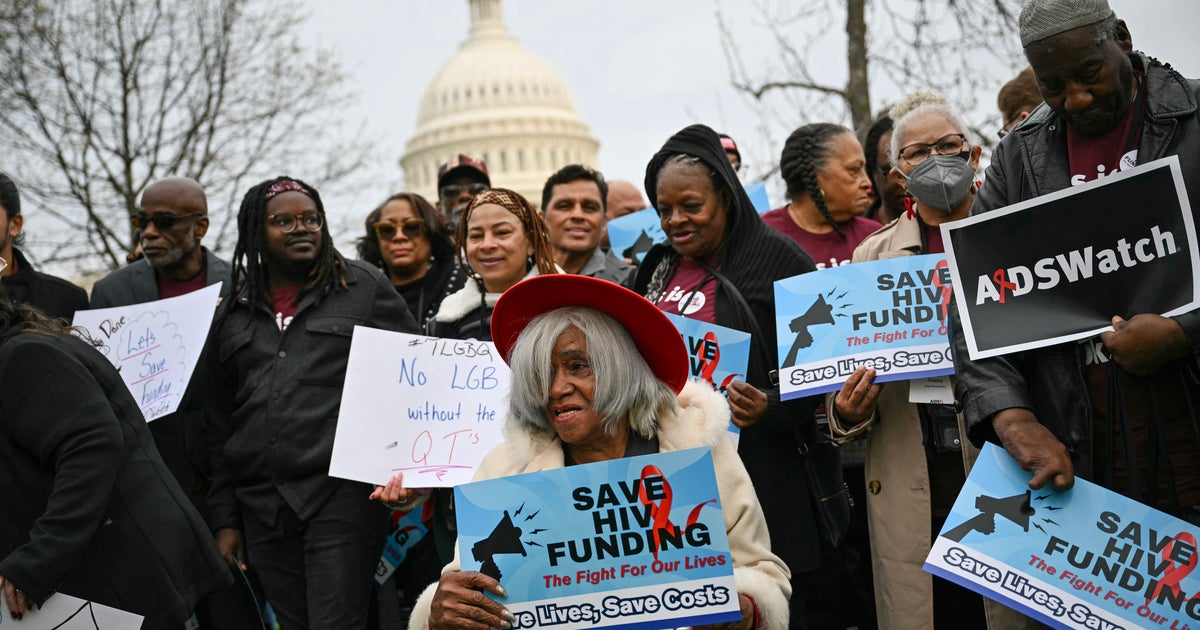
The Trump administration’s cuts to the Department of Health and Human Services make the dream of ending the HIV epidemic more unattainable than it has been in years, and public health experts warn it also marks an escalation of the president’s attacks on trans people.
The administration began its drastic overhaul of the HHS last month, which included department secretary Robert F. Kennedy Jr. axing key agencies and federal grants dedicated to HIV prevention, treatment and research. Several initiatives, including funding for HIV services aimed at low-income people and people of color, are set to be eliminated next year, according to a draft HHS budget.
HIV rates have fallen steadily in the United States since the introduction of the preventive medication PrEP, also known as pre-exposure prophylaxis, in 2012. PrEP has the ability to almost completely reduce the risk of HIV transmission, and anti-retroviral medications are able to render the virus undetectable in those living with HIV. Still, almost two-thirds of the 1.2 million people who could benefit from preventive medication are not taking it.
Most of the modern infrastructure for HIV treatment and prevention has been built by and for cisgender white men, while people of color and other LGBTQ+ people often do not have access to the care they need. Trans people make up 0.3% of the United States population, yet they account for 2% of new HIV diagnoses. The World Health Organization estimates that globally, trans people are 13 times more likely to have an HIV diagnosis compared to their cisgender peers. Black and Latina trans women in the U.S. make up the largest share of new HIV infections among trans people overall, according to a study conducted from 2019 to 2021.
The HHS cuts will affect whether trans people can access social safety net programs and exacerbate existing barriers to care for HIV, public health experts say. Trans people already report higher levels of discrimination in health care settings, as well as increased stigma and a lack of health insurance.


The firebrand rightwinger tried so hard to highlight a supposed Trump win but she flubbed it in a big way.

Despite having been in Florida while early voting was underway, Trump chose to cast his ballot by mail, a method he's vowed to outlaw for most Americans.

MS NOW’s Michael Steele charged the president with his “petty” and “degrading” behavior.

The California governor's press office did ask nicely, though.

Markwayne Mullin also recalled threatening his daughter’s boyfriend in the 2023 address.

Tim Dillon condemned the president and his allies for "gaslighting the public."

Gerard Baker explained why Americans are in an "unprecedented position" right now.

The "Daily Show" host called out "supreme misleader" Trump for a bizarre moment on Monday.

The president basked as key officials offered over-the-top praise.

A Los Angeles jury has ordered the disgraced comedian and actor to pay millions in damages to former server Donna Motsinger.

The original statue was destroyed during the 2020 protests in the wake of Georgie Floyd's murder.

A representative for the Islamic Revolutionary Guard Corps slammed claims that the U.S. and Iran are in talks to negotiate an end to the war.

The president’s random “field trip” to Graceland on Monday was truly bananas.