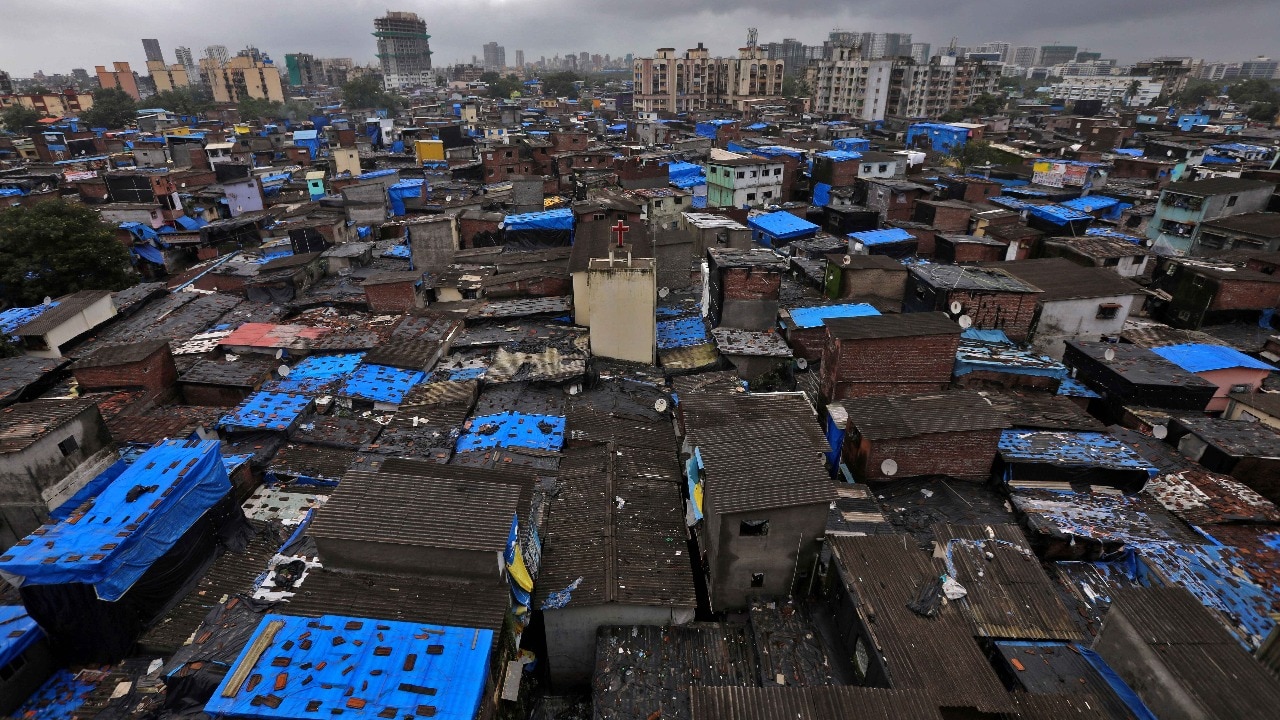
How the richest pay Rs 15,000 for gareebi darshan in Dharavi
India Today
In Mumbai's Dharavi, poverty is being curated, priced and sold to dollar-rich visitors. Slum tourism has been around in India for decades, but there is a thin line between giving context, and commodification. Both rich Mumbaikars and poor Dharavi residents are making money, charging Rs 15,000 per foreign tourist for gareebi darshan.
In the city of dreams, there is sufficient magic. Enough to sell even its gutters. Gutters, they say, are also of gold. In India, poverty is a commodity, and Mumbai is perhaps where it sells for the highest price. It is no secret that the poor in India are fetishised for "exposure" and "education", not only by white visitors, but also by the sophisticated domestic elites of Peddar Road and Malabar Hill. In Dharavi, one of world's biggest slums, the phenomenon is the most visible. During a recent visit to the shanty town in the heart of Mumbai, one of the most shocking sights was poverty being sold to the elite, for Rs 15,000 for two hours.
As India Today Digital interviewed a plumber, Raju Hanumanta, and his neighbour and an idli seller, Shanappa, in the bylanes of Dharavi, a group of foreigners appeared in a place where you would least expect them. They were accompanied by a "guide".
Remember, there are bylanes in Dharavi where even regular Mumbaikars hesitate to wander. These lanes are in the underbellies of Mumbai, places once associated with crime bosses like Varadarajan Mudaliar, whose punters are no longer associated with extortion and bloodshed, but businesses now deemed "white". Real estate, and everything tied to land, to drugs. The methods might have changed, but the instincts haven't, say experts like author and former investigative journalist S Hussain Zaidi, who knows Mumbai's underbelly inside out. But that shadow economy is a separate story. The trade of poverty is what we'll talk about here.
Poverty, especially in India, sells like hot cakes, and in Dharavi's billion-dollar economy, it is a facet we hadn't thought of.
The man leading the foreigners was a local, Omkar Dhamale. When asked what he charged for the slum tour, he replied, "Per person, Rs 15,000." There were five foreigners with him. For a two-hour walk through the slums, he would earn Rs 75,000.
This is not a new phenomenon. India Today Magazine reported on poverty tourism across India in 2006. But something has shifted. Earlier, such tours were run by organised walking groups with trained guides. Now, the business is being taken up by Dharavikars themselves — and at rates that match a corporate salary.


A Delhi court granted 10-day interim bail to activist Sharjeel Imam, an accused in the 2020 Delhi riots case. He walked out of jail on Friday after nearly six years in jail.

According to the police, the gang befriended individuals via a dating app called 'Grindr' and robbed them of cash, jewellery, and funds transferred through UPI. Since the first arrests on Monday, Lucknow Police have been tracking down other victims to dismantle the criminal network.

The police have taken Sohail Malik and Mehak (Sane Iram), the two masterminds, along with four others, into their custody.

A clip of devotees being pushed in the sanctum of Deoghar's Baidyanath Dham made BJP MP Nishikant Dubey slam the Hemant Soren government. However, it has triggered a larger debate on the treatment meted out to common people and the privilege given to VIPs.

The incident dates back to February 18, 2017, when Jitesh Kumar Gandhi attempted to withdraw Rs 10,000 from a State Bank of India ATM but received neither cash nor a transaction receipt. However, his account was debited.

The court imposed a fine of Rs 1 lakh on Chhatrapal, while sentencing him to life imprisonment. The case underlined the importance of decisive eyewitness accounts like the mother's testimony in securing timely convictions.

The case relates to the killing of Umesh Kolhe on June 21, 2022, allegedly in retaliation for social media posts supporting former BJP spokesperson Nupur Sharma following her controversial remarks. Initially registered as a murder case, the investigation was later transferred to the NIA.

A pregnant woman was allegedly strangled by her husband following a monetary dispute in West Bengal's North 24 Parganas district. Three family members have been arrested as police investigate the case.

Gurugram's Uppal Southend society publicly names maintenance defaulters and warns of service bans. The move boosts payments, with daily recoveries rising, even as residents remain divided over strict enforcement.

Maharashtra has formed an SIT led by IPS Tejaswini Satpute to probe sexual abuse allegations against Ashok Kharat, with an extortion link emerging and assets worth Rs 200 crore under scrutiny.

The three friends were part of a group of 12 people, all from Pune, who were returning from a Jammu and Leh-Ladakh trip. The remaining friends were in two other cars and were at a toll plaza at the time of the incident.

People in Duna village of Jharkhand's Latehar district blamed the man for the death of a woman in a road accident, alleging that he had caused it through sorcery.