How chocolate could counter climate change
The Hindu
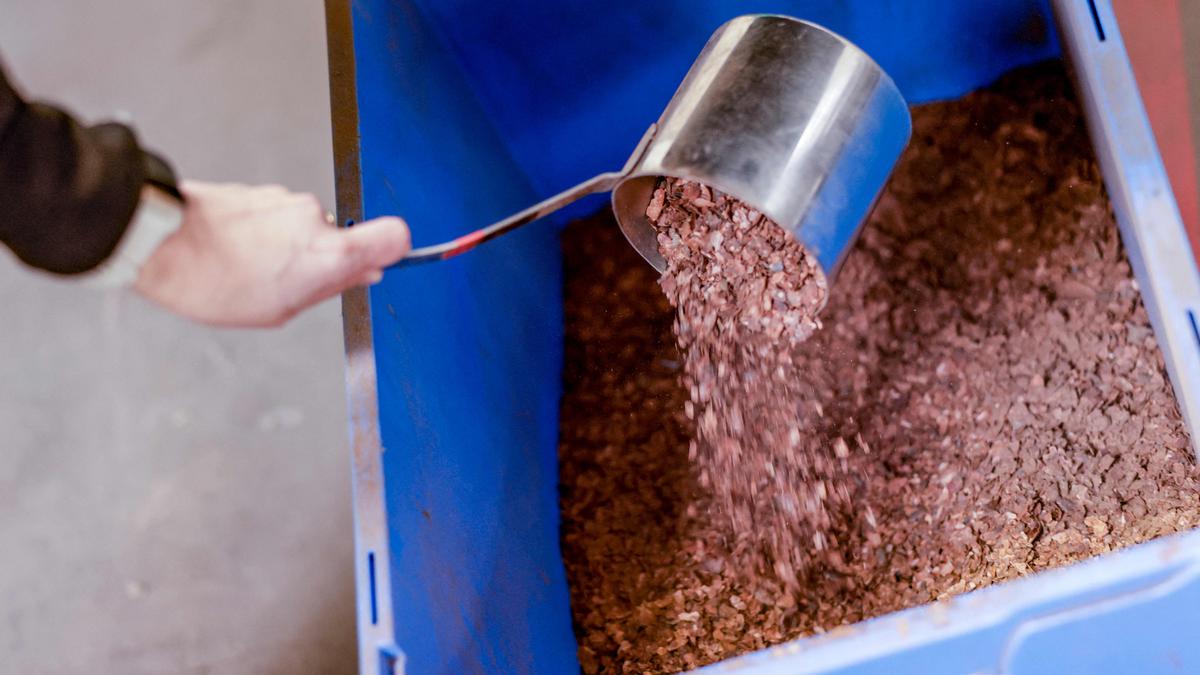
At a red-brick factory in the German port city of Hamburg, cocoa bean shells go in one end, and out the other comes an amazing black powder with the potential to counter climate change
At a red-brick factory in the German port city of Hamburg, cocoa bean shells go in one end, and out the other comes an amazing black powder with the potential to counter climate change.
The substance, dubbed biochar, is produced by heating the cocoa husks in an oxygen-free room to 600 degrees Celsius (1,112 Fahrenheit).
The process locks in greenhouse gases and the final product can be used as a fertiliser, or as an ingredient in the production of "green" concrete.
While the biochar industry is still in its infancy, the technology offers a novel way to remove carbon from the Earth's atmosphere, experts say.
Also Read | Is climate change affecting global health?
According to the UN's Intergovernmental Panel on Climate Change (IPCC), biochar could potentially be used to capture 2.6 billion of the 40 billion tonnes of CO2 currently produced by humanity each year.
But scaling up its use remains a challenge.


Abhishek Banerjee challenges BJP's Suvendu Adhikari in Nandigram, pledging community health initiatives if Trinamool Congress wins.

Rising LPG shortages in Karnataka boost firewood demand, reviving an informal market as households and hotels seek alternatives.

Against the backdrop of intense poll activity, a 400-metre stretch of an arterial road in the outskirts of Chennai (technically in Madurapakkam panchayat under Tambaram assembly constituency) presents a salute to the idea of res publica, which underpins India’s system of governance, where citizens have a say, at least before a government is securely ensconced in the seat of power. A Republic Day initiative shines bright every night

Fadnavis claims zero FIR in Ajit Pawar crash is a defamation attempt by Karnataka against Maharashtra's investigation efforts.

Set to unfold as a one-day pop-up on April 5, the Easter Sadya brings together both vegetarian and non-vegetarian menus, offering a peek into the food traditions of the Syrian Christian (Nasrani) community. While the traditional Sadya is often associated with dishes such as sambar, avial, and rice, this version expands to include community-specific festive dishes.

BJP nominates mother of R.G. Kar victim Abhaya to contest from Panihati in West Bengal Assembly elections.

Veteran Malayalam actor-director E.A. Rajendran passes away at 71, leaving behind a rich legacy in the film industry.

Dakshina Kannada Zilla Panchayat has rolled out digital mode of water bill generation and collection in 23 gram panchayats on a pilot basis for the first time in Karnataka. This is set to be extended to the remaining 200 panchayats shortly, according to the Zilla Panchayat Chief Executive Officer Narwade Vinayak Karbhari.

Bengaluru police questioned a man carrying ₹6 lakh for medical expenses at Vidhana Soudha, later releasing him after verification.

BJP accuses Bengaluru's Congress government of corruption in e-Khata issuance, halting infrastructure projects due to financial mismanagement.

Misinformation in Hyderabad sparks panic buying, causing disruptions as residents react to unfounded rumors of an impending lockdown.

Bengaluru Metro extends services until 2 a.m. on March 28 for IPL match, ensuring convenient travel for spectators.

A bus truck-collision in Andhra Pradesh's Markapuram district, killing several. Catch LIVE updates here!