Heatwaves and the economy: How climate change may cost certain sectors dearly
India Today
A new study by the UK’s Met Office revealed that the spell of record-breaking temperatures in India may occur every three years now instead of the previous time frame of 312 years.
For a country reeling under the impact of fairly long spells of heatwaves, a new study predicting a higher incidence of such weather conditions was a bolt from the blue.
A new study by the UK’s Met Office assessed that the spell of record-breaking temperatures in India may occur every three years now instead of the previous time frame of 312 years.
The study concluded that “human influence has increased the likelihood of extreme April-May temperature anomalies by a factor of about 100. By the end of the century, the likelihood is estimated to increase by a factor of 275, relative to the natural climate.”
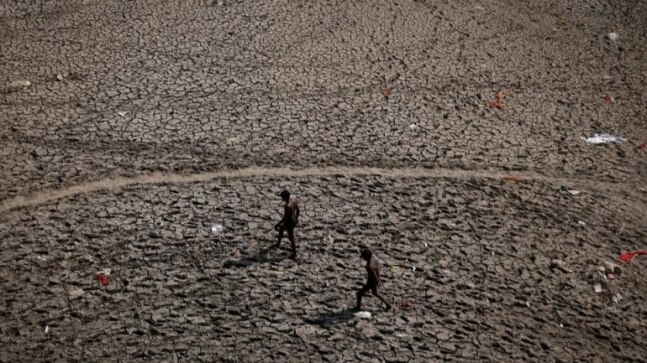
Other than multiple health issues, such spells of high temperature come with a disastrous economic cost too. A 2020 McKinsey Global Institute paper estimated that “an increase in lost labour hours due to rising heat and humidity could put approximately 2.5-4.5 per cent of GDP at risk by 2030, equivalent to roughly $150-250 billion.”
One of the reasons for loss of output because of heat stress is the inability to efficiently conduct outdoor work. McKinsey estimated that “as of 2017, heat-exposed work produces about 50 per cent of GDP, drives about 30 per cent of GDP growth, and employs about 75 per cent of the labour force, some 380 million people.” Even by 2030, nearly 40 per cent of India’s economy will still be dependent on heat-exposed work — hence the high vulnerability of India’s economy to climate change shocks.
A separate study by the International Labour Organization noted that South Asian countries were most vulnerable to heat stress, resulting in significant loss of working hours. It said the South Asian region “lost an average of four per cent of total working hours in 1995 (the equivalent of 19 million full-time jobs). In 2030, the impact of heat stress on labour productivity is expected to be even more pronounced. In particular, up to 5.3 per cent of total working hours (the equivalent of 43 million full-time jobs) are projected to be lost.”
In India, sectors most vulnerable to loss of working hours due to severe heat conditions are agriculture and construction. As per ILO’s estimates, the loss of working hours in India’s agriculture sector would touch nine per cent in 2030 from nearly six per cent in 1995. The construction sector would face similar working hour losses by 2030.


As Parliament prepares to bring amendments to the Transgender Act, activists warn the proposed changes risk rolling back years of hard-won rights.

A high-speed boat crash in the Maldives has left two Indians missing, including a celebrated rally figure, even as Gautam Singhania returns home. Search teams continue efforts amid mounting concern and unanswered questions.

A prominent seer, Pranavananda Swamiji, alleged that mutts backing Karnataka Deputy Chief Minister DK Shivakumar to take over the top post were denied any allocation in the state budget presented by Chief Minister Siddaramaiah. He reiterated his support for Shivakumar to take over as the chief minister.

India's original Dhurandhar, Ravindra Kaushik, rose from acting at college theatres, to infiltrating the Pakistan Army as a RAW Agent. He provided critical intelligence on Pakistani troop movements and the country's nuclear programme, but died a lonely death after his betrayal and subsequent capture by the ISI.


According to the police, 19-year-old Sachin Dharmendrabhai Chaudhary, who works as a labourer, had borrowed the money before expressing his inability to repay it immediately, police said. He was allegedly threatened with his life over the delay in repayment. Fearing for his life, Sachin immediately alerted the police.

A quiet arrest in Rajasthan has unravelled a wider espionage network, linking an Air Force employee to Pakistani handlers. Investigators say the trail began months ago and may reach deeper than first believed.

A 36-year-old woman plotted to murder her mother-in-law with the help of her 21-year-old lover. The murder plot was exposed by CCTV installed inside the house.


A former village pradhan who had been missing since March 18 was found dead in a sack near a canal in Pratapgarh. Police have arrested his lover, claiming she carried out the murder with accomplices.

From a Kashmiri widow parting with her late husband's cherished jewellery to children emptying their piggy banks, a wave of generosity is emerging across India as citizens step up to support people affected by the escalating conflict in Iran.

Uttar Pradesh CM Yogi Adityanath conducted an on-site review of preparations at Noida International Airport ahead of its March 28 inauguration by PM Narendra Modi, directing officials to ensure seamless arrangements, robust security and world-class execution.