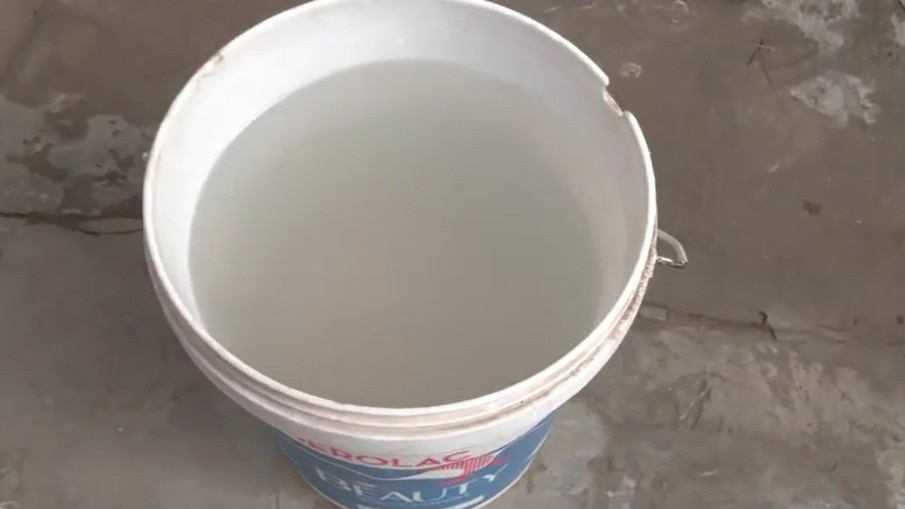
Haryana village reports 12 deaths in 15 days, drinking water under probe
India Today
While health officials have detected Hepatitis B and C in a few cases and found 23 of 107 water samples failing quality tests due to bacterial growth and low chlorination, the exact cause of the deaths is still under investigation.
At least 12 people, including five schoolchildren, have died in the past 15 days in Chayansa village of Palwal district in Haryana in what local residents and health officials increasingly suspect is linked to contaminated drinking water.
Villagers say the first three deaths occurred about 15 days ago after sudden illness, and since then the death toll has steadily risen. Every household in the village now has someone suffering from symptoms such as fever, cough, body ache and vomiting, and several patients remain in serious condition despite multiple hospital visits.
Health department teams are camped in the village conducting screening and collecting blood samples from hundreds of residents, but officials have not yet pinned down a definitive cause for the deaths. Most victims exhibited similar symptoms.
Residents believe unsafe drinking water could be to blame. The village of about 5,000 people relies on a mix of sources: limited municipal supply, underground storage tanks in homes, tanker water brought from outside, and RO-treated water sourced from nearby Hithin town. Many homes store water in underground tanks that are refilled irregularly.
Villagers also questioned why Hepatitis B and C have been reported as causes in only some fatalities, while others have been attributed to multi-organ failure and liver infection - raising broader concerns about waterborne diseases.
Local health officials said they began investigations on February 1, collecting medical records and samples. Of roughly 300 blood samples tested so far, only two confirmed Hepatitis B or C. Over 400 people have been screened. Drinking water tests have also begun: of 107 household water samples collected, 23 failed quality checks, showing bacterial growth and inadequate chlorination in stored water.


Oil tanker Aqua Titan carrying Russian crude arrives in Mangaluru port; was initially heading to China

The FIR was lodged at the Ranjit Avenue Police Station in Amritsar following a complaint filed by the deceased's wife, Upinder Kaur, who accused the trio of sustained harassment, physical assault, mental torture and coercion that allegedly drove her husband to take his own life.

Kollam Additional District and Sessions judge P N Vinod sentenced G Sandeep to a total of 30 years for various offences under the then Indian Penal Code (IPC) and said that after he serves that period, his life imprisonment for Das' murder will commence.

A new policy at Air India could directly impact cabin crew rosters and salaries, linking fitness levels to employment status, as the airline moves to enforce stricter health standards from May 1.

A chance sighting exposed a disturbing plot involving forged identities, minors and alleged grooming in Gujarat. Police action followed swiftly, but one accused remains at large as deeper details emerge.

Following a complaint by the child's parents, an FIR was registered under relevant Sections of the Bharatiya Nyaya Sanhita (BNS) and the Protection of Children from Sexual Offences (POCSO) Act at Sector 53 police station on February 4.

Police officials said that none of the victims were wearing helmets at the time of the accident, which may have contributed to the severity of the casualties.


Airlines to maintain fair pricing: Goverment withdraws temporary domestic air fare caps citing stabilised ops

The proposed law, drafted in consultation with the Sant Samaj and legal experts, will impose heavy fines, property confiscation, and cover offences through digital content, Bhagwant Mann said.

Addressing reporters, Himachal Chief Minister Sukhvinder Singh Sukhu, however, clarified that the measure is temporary and assured that the deferred amounts would be returned once the financial situation improves.

Mumbai Crime Branch and UP STF have arrested the 14th accused, Pradeep Sharma alias Golu, from Agra in connection with the firing at Rohit Shetty's residence.