Gelephu Mindfulness City is a lifetime opportunity, says Bhutan PM Tshering Tobgay Premium
The Hindu
Bhutanese PM Tshering Tobgay spoke of ‘deep’ economic challenges, the potential of the new carbon-negative Gelephu Mindfulness smart city project, and ruled out re-joining the BBIN vehicle agreement
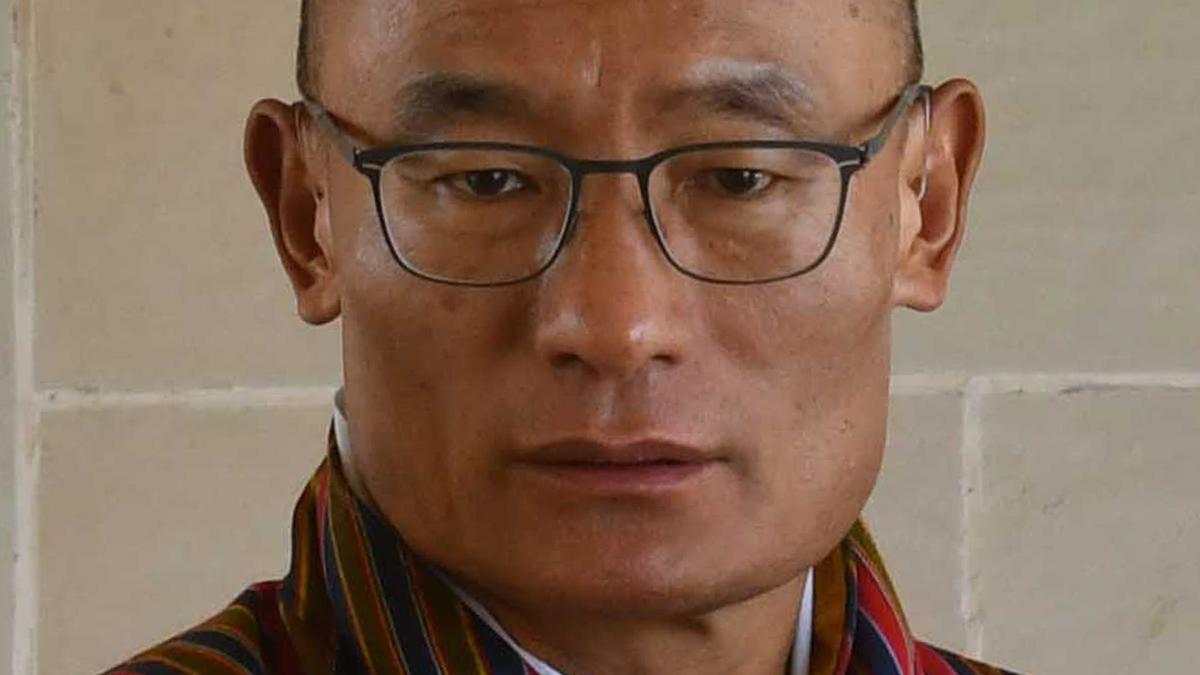
Rejecting comparisons to other cost-intensive, low-return smart city projects worldwide, Bhutan Prime Minister Tshering Tobgay said the Gelephu Mindfulness City is a “once in a lifetime” opportunity for Indian investors in the 2,000 sq. km carbon-negative city project being designed.
Mr. Tobgay said Indian Airport Authority officials had already visited Gelephu and discussed permissions required for it, but that the contract for developing the airport is yet to be finalised, he told The Hindu in a virtual interview last week.
Mr. Tobgay said Bhutan is unlikely to review its decision to stay out of the Indian proposal for the Bangladesh-Bhutan-India-Nepal Motor Vehicle Agreement.
Bhutan announced this week that it will use ₹1,500 crore, part of a ₹10,000 crore outlay promised by Prime Minister Narendra Modi during his visit to Thimphu in March, for an ‘Economic Stimulus Programme’ to tackle its economic challenges of slow growth, downturn in tourism, and unemployment.


Anduril and Palantir Technologies are working together to develop software for U.S. President Donald Trump’s Golden Dome antimissile shield initiative, a source familiar with the matter said

A federal judge weighing the merits of the Pentagon’s designation of rising Silicon Valley star Anthropic as a security threat repeatedly questioned the government’s reasons for vilifying the company

When the conflict in West Asia, which began with the U.S. and Israel’s attack on Iran on February 28, escalated into a regional war, analysts said that the war would last as long as Iran had missiles or until the Gulf nations ran out of interceptors. However, with “emergency” military sales, piling monetary costs and a strained supply chain, is the U.S. becoming too constrained in its effort to keep the war going — both militarily and monetarily?

U.S.-Israel war on Iran LIVE: Follow The Hindu for updates on the West Asia conflict on March 25, 2026

Jair Bolsonaro to serve his sentence at home due to health issues, monitored by police, with a review in 90 days.

A New Mexico jury finds Meta liable for harming children's mental health, marking a significant shift in accountability for tech companies.

Modi and Dissanayake discuss energy cooperation, West Asia conflict, and global supply chain disruptions in a recent phone call.

Russia launches a massive drone and missile attack on Ukraine, signaling the potential beginning of a spring offensive.

U.S. official Elbridge Colby emphasizes India's vital role in the Indo-Pacific, highlighting mutual benefits despite existing differences.

Philippine President Marcos declares national energy emergency amid Middle East conflict, ensuring fuel and essential goods supply stability.

Mohammad Baqer Zolqadr appointed as Iran's new security chief, succeeding Ali Larijani after his assassination.

Israel plans to occupy southern Lebanon amid escalating violence, targeting Hezbollah and causing widespread destruction and civilian casualties.

Trump reveals Secretary Hegseth was pivotal in discussing military action against Iran amid escalating tensions in the Middle East.