Games people play | Review of Playworld by Adam Ross
The Hindu
Adam Ross's novel Playworld delves into the complexities of performance, vulnerability, and societal dynamics through a captivating narrative.
The very opening of Adam Ross’s novel Playworld seduces you fatefully: “In the fall of 1980, when I was fourteen, a friend of my parents named Naomi Shah fell in love with me. She was thirty-six, a mother of two, and married to a wealthy man. Like so many things that happened to me that year, it didn’t seem strange at the time.”
Just as biting is the mother’s response that comes after 20 years: “Two decades later, when I finally told my mother — we were on Long Island, taking a walk on the beach — she stopped, stunned, and said, “But she was such an ugly woman.”” The narrator is unruffled: “The remark wasn’t as petty as it sounds. If I was aware of it then, it neither repulsed me not affected my feelings for Naomi. It was just a thing that I took for granted, like the color of her hair.”
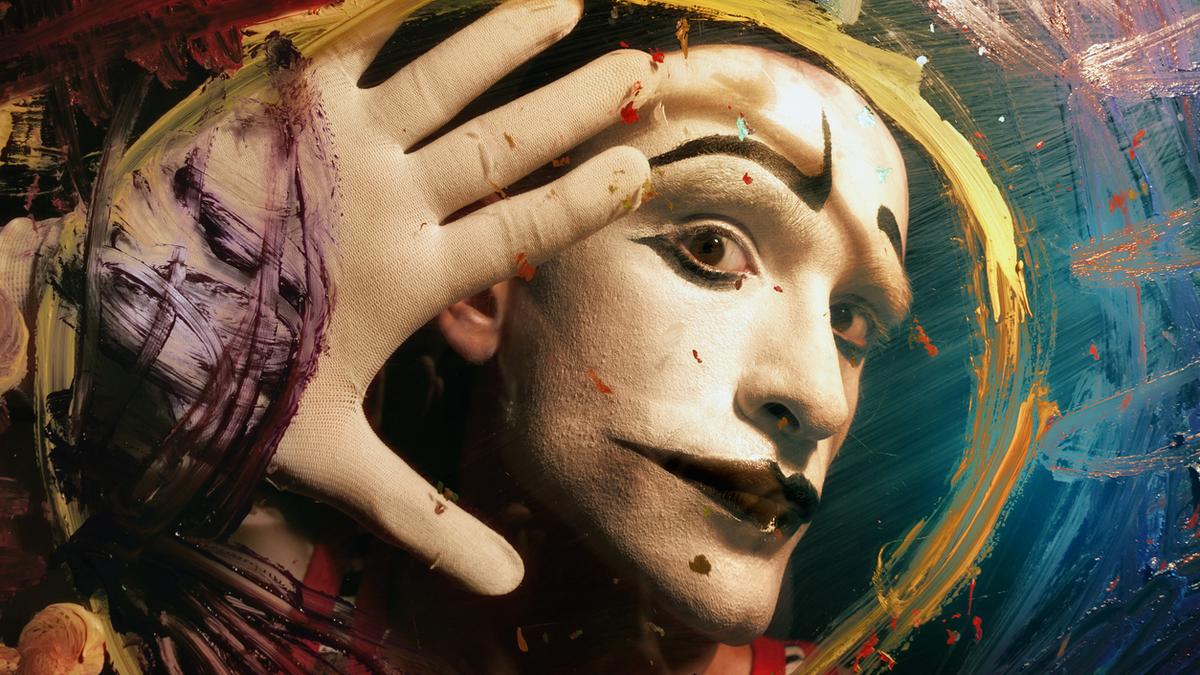
But the body that is laid bare and put to auction through the novel is not that of Naomi, but of the actor as a figure of precarity. It is the male actor, boy to man, who vends his ware, voice or smile or role, to get bread, school, and sex. That sounds more brutally vulgar than the complex narratives that make up this 500-page novel, but somewhere deep down, this is its truth.
The gossip, manners and role-play from the world of performance are what get Griffin, the boy-narrator, the erotic attention of his older lover for the first time when they are alone in a room in a party. As she doubles over in laughter at his anecdotes from theatre, he renews her amusement by mimicking her: “She had the classic up-Island accent, one I could mimic on command: “A vawhdville act, this kid is,” I said, imitating her, “a regular prawdigy”.”
Griffin is fated to perform — for attention and a living — as that is his family inheritance and the life to which his boyhood is shackled. While he gets Naomi’s interest, his father Shel revels in the attention of her rich husband, Sam. As Sam takes out Shel and his two sons, Griffin and Oren, for a spin in his oyster-gray Bentley, Shel fiddles with the car radio to bring it to the station that belts out a beer commercial in his voice. Sam is delighted to hear Shel’s voice, but Shel shrugs and acts cool, secretly delighted by the rich man’s appreciation. But nothing his hidden from his sons, who are mortified by the games played by their father.
The vulnerability of the actor, at once comic and tragic, animates this novel and hits me hard because of dark reasons of my own. Griffin’s fate threatens to invoke my own childhood — my mother, who died young, was a theatre actress in a society that was suspicious of women who performed. But unlike Griffin in Broadway-loving New York, my line between art and life was both shape-shifting and dangerous in Calcutta, and the child-memory of the reality on and off-stage drove me to write my second novel, The Firebird (2015), from the wings and the greenrooms of theatre.
Griffin’s vulnerability, shared with the farcical vulnerability of his father, binds me in primitive glue. But the actor’s performance makes a gallery of society at large, and Playworld never lets us forget that. Much later in the novel, when Griffin is out for dinner with a girl he wants to date, along with her father, Dr. West, a pompous English teacher, and his much younger girlfriend, he suffers through West’s lecture on Shakespeare’s As You Like It, and on his abject failure to get “even a rudimentary grasp of the play’s rhetorical architecture”.


Decomposed body of a missing 25-year-old man discovered in Dindigul stone quarry, prompting calls for investigation and quarry closure.

SVEEP activities launched in The Nilgiris aim to boost voter turnout at 13 polling booths with low participation rates.

Learn who can vote by postal ballot in the upcoming Tamil Nadu Assembly election, including seniors and persons with disabilities.

Shorts News:Watch: UDF linked to communal forces in Kerala: CPI(M) leader A Vijayaraghavan

Karnataka government postpones Deendayal Upadhyaya event at KSOU Mysuru due to protocol violations and lack of government involvement.

Sameer Wankhede denies bribery allegations involving Shah Rukh Khan’s son in drugs case during Bombay High Court proceedings.

What does it take to design gloves, masks and uniform that factor in the various challenges faced by workers on the waste beat? Indore, Bengaluru and Pune have an answer

Gaurav Gogoi files nomination for Jorhat Assembly seat, marking his electoral debut in the upcoming Assam elections.

A round-up of events and programmes held at colleges in Tiruchi and other Cauvery delta districts

CPI(M) and Congress clash over accusations of aiding BJP, threatening the LDF-UDF duopoly ahead of Kerala Assembly polls 2026.

Shivamogga veterinarians demand accountability for the death of trainee vet Dr. Sameeksha Reddy, citing systemic failures in zoo administration.

BJP launches 'Mana Ooru–Mana Jenda' campaign on April 6 to strengthen grassroots connections and promote development in Andhra Pradesh.

Anuradha Jonnalagadda took over as in-charge Vice-Chancellor of the University of Hyderabad, focusing on continuity during the transition.