Energy power play: India’s oil and gas strategy amid U.S.-Iran tensions Premium
The Hindu
Explore India's oil and gas strategy amid rising global energy prices and U.S.-Iran tensions, highlighting challenges and renewable opportunities.
This week’s news cycle delivered a striking contrast for India. On one hand, headlines celebrated the national men’s cricket team’s T20 World Cup victory; and on the other, reports documented sharp escalations in global energy prices. The juxtaposition served as a reminder of how sports can unite nations – and how geopolitical tensions between countries can produce significant ripple effects globally making millions suffer.
The most recent crises including COVID-19 and the Russia-Ukraine conflict, have put considerable stress on global energy markets. Escalating tensions between U.S. and Iran drove, India’s Brent crude price up by 50% in less than a week, rising from $80 per barrel on 2 March to $120 per barrel on 9 March. On the same day, equity markets recorded a broad-based sell-off driven by fears over increased energy prices and fuel supply, which affect all segments of the economy to varying degrees.
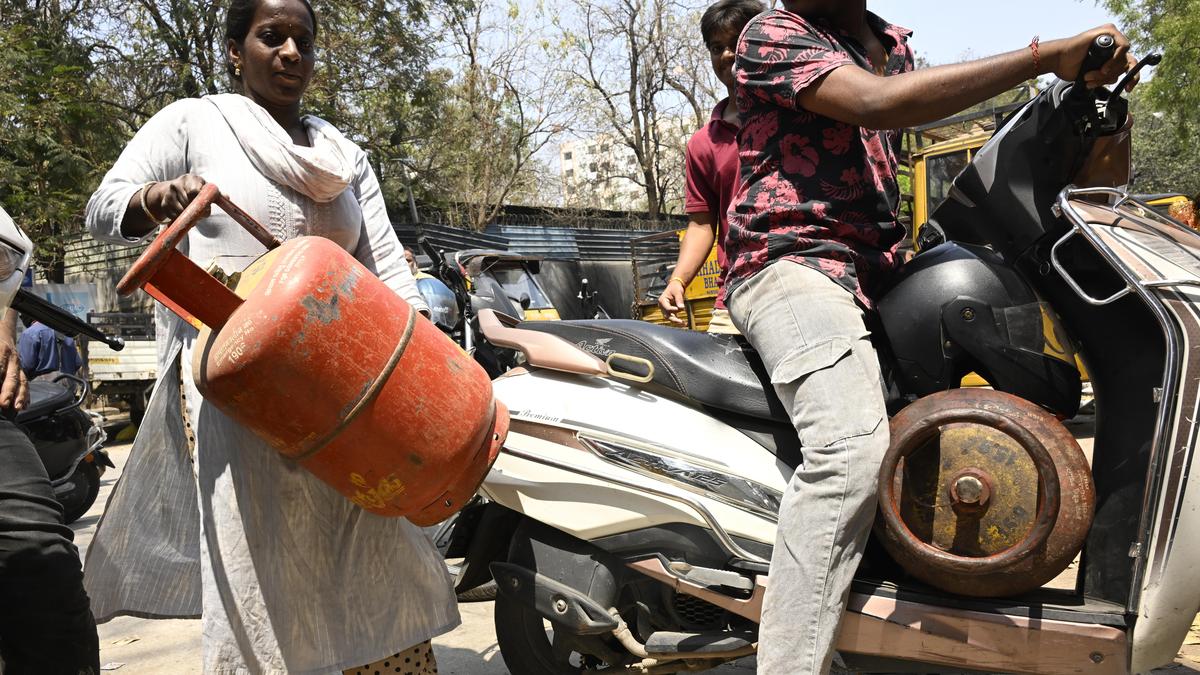
India imports a large proportion of its crude oil, liquefied petroleum gas (LPG), and natural gas in the form of liquefied natural gas (LNG). Geopolitical disruptions to fuel supply and prices therefore impose significant fiscal and economic strain on the country. The impact is already evident: a ₹60 increase in the LPG cylinder price represents a 7% increase in household cooking fuel spending. India’s crude basket has jumped to $120 per barrel – an increase that will affect petrol and diesel prices, as well as domestic gas prices, which are linked to 10% of the Indian crude basket.
The crisis exposes India to several compounding risks. Higher fuel prices transmit inflationary and macro-economic pressures through increased cost of transport, manufacturing, fertilizer and food production. Supply disruptions may be prolonged, given the closure of a key supply route that accounts for over 50% of LNG imports and 90% of LPG import needs. Even after the Strait of Hormuz reopens, a substantial lag in supply resumption is likely. The rupee depreciated 5% against the U.S. dollar in 2025 from approximately ₹85 in January 2025 and has further weakened to a record low of ₹92.34 against the dollar due to the rising crude prices – compounding inflationary pressures and raising India’s cost of borrowing.
The government has repeatedly noted that srategic reserves remain sufficient for at least 25 days of crude oil and LPG, and 10 days for LNG. It has, however, invoked the Essential Commodities Act, 1955 to regulate the supply of LPG and natural gas. Under these provisions, the LPG supply has been prioritised for residential use, while natural gas has been allocated first to residential piped networks and compressed natural gas for transport, followed by fertilizer production, industry, and refineries. These supply-side constraints risk demand destruction across multiple sectors. Commercial kitchens and food outlets struggling to secure LPG, for example, may begin exploring longer-term alternatives such as electric cooking.
No clear signals of increased supply from other producing nations have emerged. G7 nations have agreed to take necessary measures to support energy supply during the crisis but have not provided details on the release of strategic crude reserves. Some easing maybe witnessed by the International Energy Agency (IEA) agreeing to release 400 million barrels of oil from emergency reserves.


Assam CM vows to expel all illegal migrants, confirming the pushback of 12 Bangladeshi immigrants in recent operations.

A subsidiary of Tesla, Elon Musk's electric vehicle maker, has won approval to supply UK households and businesses with electricity, Britain's energy regulator said Thursday.

Six MPs urge the Union Government to expedite the inclusion of Karnataka's reservation Act in the Ninth Schedule for SC/ST protection.

Meta has delayed the release of its artificial intelligence model code-named “Avocado” to at least May from this month, the New York Times reported

Explore the struggles of Vijayawada's beggars, facing economic hardship, stigma, and challenges in rehabilitation efforts amidst legal constraints.

Karnataka Deputy CM D.K. Shivakumar announces complete replacement of Tungabhadra dam's crest gates by May, ensuring safety improvements.

Advance reservations now open for Kamakhya–Charlapalli Amrit Bharat weekly express service - starting March 18, 2026.

Rupee falls to record low of 92.37 against the dollar amid strong greenback and rising crude oil prices.

Telangana CM Revanth Reddy to be at 'Musi Invites' event on March 13 late evening to present plans for the Musi River's rejuvenation and development.

Hyderabad's Urban Primary Health Centres is vital yet under-resourced clinics providing accessible healthcare to the city's underserved communities.

Explosions and sirens reported in central Dubai amid ongoing West Asia conflict, raising concerns over safety and security.

LPG shortages disrupt gas crematoria operations in Kozhikode and Kasaragod, prompting requests for urgent resolution as services decline.

Rajisha Vijayan shares her transformative experience playing Frida Soman in the thought-provoking sci-fi satire 'Masthishka Maranam.'